
Beach Camera Guide: Capture Every Wave, Grain, and Sunset
Discover the best waterproof, sandproof, and rugged cameras designed specifically for beach vacations, snorkeling, and coastal adventures. Your perfect beach photography companion awaits.
EXPLORE BEACH CAMERASWhy a Dedicated Beach Camera Matters: Sand, saltwater, and sunlight are the three biggest enemies of standard cameras. A regular DSLR camera or mirrorless camera can be ruined by a single splash or a gust of wind carrying fine sand. That's why choosing the right beach camera is essential—it protects your investment and ensures you never miss a moment, whether you're lounging on the shore or diving into the waves.
What Makes a Great Beach Camera?
Waterproof & Water-Resistant
Look for cameras with an IPX8 rating or those that are waterproof without a housing. Many rugged cameras can handle depths of 10–30 meters, perfect for snorkeling and shallow dives. Even if you don't plan to swim, water resistance protects against unexpected splashes and rain.
Sand & Dust Sealing
Fine beach sand can infiltrate lens barrels and buttons, causing permanent damage. A beach camera should have sealed ports, rubberized grips, and a construction that prevents sand from entering. Look for cameras with IP6X dust resistance ratings.
Bright Sunlight Performance
Beach photography means harsh, direct sunlight. A camera with a high-resolution LCD, good dynamic range, and reliable auto-exposure is crucial. Consider models with built-in ND filters or HDR modes to handle the intense contrast between bright sand and shadows.
Compact & Lightweight
You don't want to lug heavy gear through sand. A point-and-shoot camera or a compact action camera is ideal for beach trips. They're easy to carry, quick to deploy, and won't weigh you down when you're exploring tide pools or walking along the shoreline.
Long Battery Life
Beach days are long, and you don't want to run out of power. Look for cameras with batteries that last at least 300 shots or several hours of video recording. Some models support USB charging, which is convenient for power banks on the go.
Video & Slow-Motion Capabilities
Capturing waves crashing or kids playing in the surf is best done with video. A good beach camera should offer at least 1080p at 60fps, with many modern options providing 4K recording and slow-motion modes for dramatic effect.
Recommended Beach Cameras
⚠️ AFFILIATE DISCLOSURE: This website contains affiliate links. As an affiliate Associate, we earn from qualifying purchases. If you make a purchase through these links, we may receive a small commission at no additional cost to you. Read our full affiliate policy.

4K Underwater Camera, 16FT Waterproof Camera, 64MP Dual-Screen | Autofocus, Floatable Compact Design, 32GB Card, 1250mAh Battery and Type-C Port for Selfies, Snorkeling and Travel
Check price on Amazon
KODAK PIXPRO WPZ2 16MP Waterproof Digital Camera, 15m, 4X Zoom, Yellow | 1080p Full HD video, Wi-Fi sharing, 27mm wide angle lens, 2.7 inch LCD, shockproof to 2m
Check price on Amazon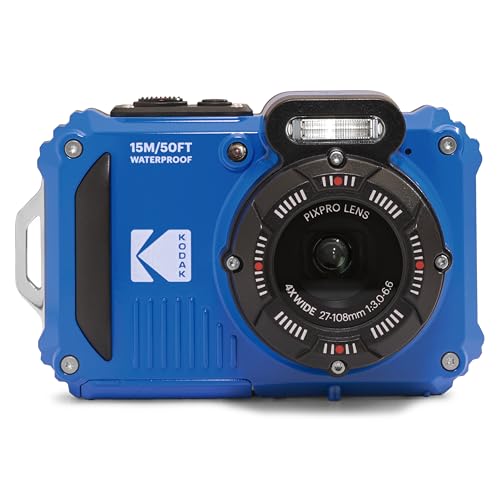
KODAK PIXPRO WPZ2 16MP Waterproof Digital Camera, 15m, 4X Zoom, Blue | 1080p Full HD video, Wi-Fi sharing, 27mm wide angle lens, 2.7 inch LCD, shockproof to 2m
Check price on Amazon
AKASO EK7000 4K30FPS 20MP WiFi Action Camera with EIS Ultra HD 131FT Waterproof Underwater Camera Remote Control 4X Zoom Support External Microphone Black
Check price on Amazon
5K Underwater Camera, 33FT Waterproof Camera, 64MP Dual-Screen | Autofocus Point-and-Shoot, Dustproof, Compact, Floatable, 32GB Card, 1500mAh Battery and Type-C for Snorkeling and Vacations
Check price on Amazon
AKASO EK7000 4K30FPS 20MP WiFi Action Camera with EIS Ultra HD 131FT Waterproof Underwater Camera Remote Control 4X Zoom Support External Microphone Blue
Check price on Amazon
4K 64MP Underwater Camera Autofocus IPS HD Screen 16X Digital Zoom Fill Light, Floatable Waterproof Digital Camera, 16FT, Includes 16GB Card for Surfing Snorkeling Swimming, Pink
Check price on AmazonBeach Camera Types Compared
Different beach activities call for different camera types. Here's how the main options stack up:
| Camera Type | Best For | Waterproof Rating | Price Range |
|---|---|---|---|
| Rugged Compact | Snorkeling, tide pools, family beach days | 10–30m without housing | $300–$500 |
| Action Camera (360° action camera) | Surfing, water sports, POV footage | 10–60m with housing | $200–$500 |
| Waterproof Point & Shoot (point-and-shoot camera) | Casual beach photography, travel | 3–10m | $150–$400 |
| Mirrorless with Housing (mirrorless camera) | Professional beach portraits, high-quality video | Depends on housing (40m+) | $800–$2,500 |
| Disposable/Cheap Digital (cheap digital camera) | Kids, backup, nostalgic look | Limited (splash-proof only) | $30–$100 |
Rugged Beach Cameras: Pros & Cons
✅ Advantages
- Waterproof without extra housing
- Drop-proof and crush-proof construction
- Sand and dust sealed
- Compact and pocket-friendly
- Operable with gloves or wet hands
- Built-in GPS and altimeter on some models
❌ Limitations
- Smaller sensors than DSLR/mirrorless
- Limited manual controls
- Fixed or narrow zoom range
- Not ideal for professional work
- Battery life can be average
- Low-light performance is limited
Essential Beach Camera Buying Tips
1. Check the IP Rating: IPX8 means the camera can be submerged beyond 1 meter. IP6X means it's dust-tight. For beach use, you want both.
2. Consider Your Activity: If you're mostly lounging, a point-and-shoot camera with splash resistance is fine. If you're surfing or diving, invest in a rugged action camera.
3. Test Before You Travel: Always test your camera's waterproof seals before your trip. A faulty seal can ruin your camera on day one.
4. Bring a Microfiber Cloth: Salt and sand will get on your lens. A simple microfiber cloth and a lens pen are essential accessories for beach photography.
5. Don't Forget a Floating Strap: If you're taking your camera into the water, a floating strap prevents it from sinking if you drop it.
Frequently Asked Questions About Beach Cameras
You can, but it's risky. Sand and saltwater can damage unprotected cameras. If you must use a regular DSLR camera or mirrorless camera, use a rain cover or waterproof housing, and never change lenses on the beach. A dedicated beach camera is a much safer choice.
For snorkeling, you want a camera that's waterproof to at least 10 meters. Rugged compacts and action cameras are ideal. If you're serious about underwater photography, consider a mirrorless camera with an underwater housing, but be prepared for a higher investment.
Keep your camera in a sealed bag or case when not in use. Avoid placing it directly on the sand. Use a lens cap and body cap at all times. If sand does get on your camera, use a blower brush to remove it gently—never wipe it off, as that can scratch the lens or sensor.
It depends on your needs. A cheap digital camera can be a good option for kids or as a backup, but they often have limited waterproofing and lower image quality. If you want reliable performance and durability, investing in a quality rugged camera is worth the extra cost.
We generally advise against it. A vintage camera or 35mm film camera is often not sealed against sand and moisture. The beach environment can cause irreversible damage. If you must, use a protective bag and keep it away from the water and sand as much as possible.
A phone tripod can be useful for stable shots and group photos. However, sand can get into the tripod's joints and legs. Choose a tripod with sealed or easy-to-clean legs, and avoid setting it up directly in wet sand. A tripod with rubber feet works better on sand than one with spikes.
Ready to Capture Your Beach Memories?
Browse our top-rated beach cameras and find the perfect companion for your next coastal adventure.
VIEW RECOMMENDED CAMERASFinal Thoughts
Choosing the right beach camera comes down to understanding your activities and priorities. If you're a casual beachgoer who wants to snap a few photos, a waterproof point-and-shoot camera will serve you well. If you're an adrenaline seeker catching waves, an action camera is your best bet. And if you're a professional looking to create stunning beach portraits, a mirrorless camera with a waterproof housing is the way to go.
No matter which camera you choose, remember that the best camera is the one you have with you. Protect it, care for it, and it will reward you with memories that last a lifetime. For more guidance on camera care, explore our camera care and maintenance hub.