
Cellular Trail Cameras That Link Together
Build a seamless multi-camera wildlife monitoring network. Learn how linked cellular trail cameras work, which features matter, and how to choose the right system for your property.
Explore Top PicksWhy link trail cameras? Instead of checking each camera individually, a linked system sends all photos to one app or platform. You get real-time updates from every corner of your property without physically visiting each camera. It's the ultimate setup for hunters, wildlife researchers, and property owners who want complete coverage.
What Are Cellular Trail Cameras That Link Together?
Cellular trail cameras that link together are game cameras equipped with built-in cellular modules (4G LTE or 5G) that communicate with a central cloud platform or app. Instead of storing photos only on an SD card, these cameras transmit images and videos over the cellular network directly to your phone, tablet, or computer.
The "link together" aspect means you can manage multiple cameras from a single account. When one camera detects motion, it sends an alert. You can then view that image, and if you have other cameras in the network, you can check their latest captures too. Some advanced systems even allow cameras to communicate with each other to form a mesh network, ensuring reliable coverage even in areas with weak signal.
This technology is a game-changer for large properties where checking cameras manually is time-consuming. It's also valuable for security applications, especially in remote areas where Wi-Fi isn't available. If you're comparing this to traditional home security, you might also look at wireless security camera with cellular options, which share similar connectivity principles.
How Linked Cellular Trail Cameras Work
The core mechanism is straightforward: each camera has a SIM card and a cellular antenna. When the motion sensor triggers, the camera captures a photo or video, compresses it, and sends it over the cellular network to a cloud server. The server then pushes the image to your app via push notification or email.
Linking multiple cameras happens at the software level. You add each camera to your account using its unique ID (usually a QR code or serial number). Once linked, you can view all cameras in one dashboard, set individual preferences, and receive consolidated alerts. Some systems allow you to group cameras by location or function, making management even easier.
For properties with poor cellular reception, some cameras support external antennas or signal boosters. Others can create a local mesh network where cameras relay data to a central camera that has the strongest signal. This is similar in concept to how long range wireless camera transmitter and receiver setups extend coverage in security systems.
Key Features to Consider When Choosing Linked Trail Cameras
Image & Video Quality
Look for at least 12MP stills and 1080p video. Higher resolution helps identify animals or intruders. Some premium models offer 4K video and 30MP photos.
- 12–30MP still resolution
- 1080p–4K video
- Night vision range (up to 100 ft)
Cellular Connectivity
4G LTE is standard; 5G is emerging. Check carrier compatibility (AT&T, Verizon, T-Mobile) and whether the plan is included or separate.
- 4G LTE / 5G support
- Carrier flexibility
- Signal strength indicators
Linking & App Experience
The app should be intuitive, allowing you to manage multiple cameras, set alerts, and view thumbnails quickly. Cloud storage and AI recognition are bonuses.
- Multi-camera dashboard
- Real-time push alerts
- Cloud storage options
Battery Life & Power
Cellular transmission drains batteries faster. Look for cameras with long battery life (6–12 months) or solar options.
- 12 AA batteries or lithium pack
- Solar panel compatibility
- External power port
Top Linked Cellular Trail Camera Systems Compared
Here's a quick comparison of popular systems that support multi-camera linking. Prices are approximate and vary by retailer and promotions.
| Model | Resolution | Cellular | Linking Feature | Price Range |
|---|---|---|---|---|
| Tactacam Reveal X Gen 2.0 | 16MP / 1080p | 4G LTE (AT&T, Verizon) | App manages multiple cameras | $120–$150 |
| Spypoint Link-Micro-LTE | 10MP / 720p | 4G LTE (Verizon, AT&T) | Link series app, multi-camera | $100–$130 |
| Moultrie Mobile Edge | 20MP / 1080p | 4G LTE (AT&T, Verizon) | Moultrie Mobile app, unlimited cameras | $150–$200 |
| Browning Defender Wireless | 18MP / 1080p | 4G LTE (AT&T, Verizon) | Browning app, multi-camera | $180–$220 |
| Reconyx HyperFire 2 Cellular | 20MP / 1080p | 4G LTE (AT&T, Verizon) | Reconyx Cloud, multi-camera | $400–$500 |
When selecting a system, consider the monthly data plan cost. Some brands offer plans as low as $5/month for basic transmission, while unlimited plans can be $15–$20/month. This is similar to the monthly cost for cellular trail camera structures you'll find across the industry.
Pros and Cons of Linked Cellular Trail Cameras
Advantages
- Real-time alerts from all cameras
- No need to visit each camera to check SD cards
- Centralized management via app
- Ideal for large properties and remote areas
- Cloud backup prevents data loss
- Some models offer AI species recognition
Limitations
- Requires cellular signal (check coverage)
- Monthly data plans add ongoing cost
- Battery life shorter than non-cellular models
- Initial investment higher than standard cameras
- Potential privacy concerns with cloud storage
Installation and Setup Tips for a Linked Network
Setting up a linked cellular trail camera system is easier than you might think, but a few best practices ensure reliable performance:
- Check cellular coverage at each camera location. Use your phone's signal bars or a coverage map from your carrier.
- Position cameras at a height of 3–4 feet, angled slightly downward. Clear vegetation that might block the signal or trigger false alerts.
- Use quality SD cards (Class 10 or higher) even though images transmit wirelessly—they serve as backup.
- Update firmware before deployment. Manufacturers often improve connectivity and battery efficiency.
- Set sensitivity appropriately to avoid thousands of false triggers from moving branches or heat.
- Group cameras logically in the app (e.g., "North Field," "South Trail") for faster navigation.
For security-focused applications, you might also consider how these cameras integrate with broader systems. For example, if you're monitoring a remote property, you might pair trail cameras with security cameras that will alert your phone for comprehensive coverage.
Best Use Cases for Linked Cellular Trail Cameras
Hunting & Wildlife Scouting
Monitor game trails, food plots, and bedding areas without disturbing the area. Get real-time updates on deer, elk, or hog movement.
Property Security
Keep an eye on remote gates, cabins, or equipment. Linked cameras send instant alerts if someone trespasses.
Farm & Ranch Monitoring
Watch livestock, fence lines, and water sources. Detect predators or equipment theft quickly.
Wildlife Research
Collect data on animal populations and behavior across multiple points simultaneously.
Frequently Asked Questions
Recommended Cellular Trail Cameras That Link Together
⚠️ AFFILIATE DISCLOSURE: This website contains affiliate links. As an affiliate Associate, we earn from qualifying purchases. If you make a purchase through these links, we may receive a small commission at no additional cost to you. Read our full affiliate policy.

SPYPOINT Flex-M Twin, Cellular Trail Camera, Night Vision, Free Photo Plan | Auto Multi Cell-Network, LTE, GPS, Waterproof, 0.5 Second Trigger, 28MP Photo, 720p Video+ Sound, 90Ft Motion Dection & Flash
Check price on Amazon
Trail Camera, 4G LTE Cellular Game Cameras with 360° Live Streaming | 2.5K Hunting Camera Solar Powered, Security Camera Built-in SIM Card, Night Vision, Motion Activated, Waterproof, 2 Pack
Check price on Amazon
MagicEagle® Cellular Trail Camera 4G Wild Game Cameras 13,000 mAh Battery Solar Panel 2K Audible Video No-Glow IR Night Vision IP66 Waterproof for Wildlife Deer Monitoring Home Security (Army Green)
Check price on Amazon
TKENPRO 4G LTE Cellular Trail Cameras, 360° View Live Streaming Solar Cam | Game Camera Built-in SIM Card, PIR Motion Activated, 2K Night Vision, No WiFi Needed IP65 Security Camera Camo Print-2 Pack
Check price on Amazon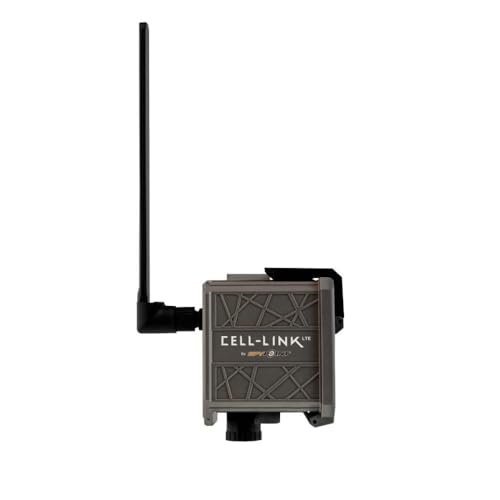
SPYPOINT Cell-Link Universal Cellular Trail Cameras Adapter | Makes Most Trail Cameras a Cellular Game Camera, Camera sends Picture through App (VZN)
Check price on Amazon
SEHMUA 3rd 4G LTE Cellular Trail Cameras with 48MP Photo 2K Live Streaming | Unlimited Data Plan Built-in SIM Card, 4W Solar Powered Game/Deer Cam, No Glow Flash with Motion Activated, Camouflage
Check price on Amazon
SPYPOINT Flex-M2 Twin Pack, Cellular Trail Camera, Night Vision, Free Plan | 90Ft Motion Dection & Flash, Auto Multi Cell-Network, LTE, GPS, Waterproof, 0.4 Second Trigger, 32MP Photo, 1080P Video+Sound
Check price on AmazonReady to Build Your Linked Trail Camera Network?
Start with two cameras and expand as needed. The right system will save you hours of manual checking and give you peace of mind knowing what's happening on your property 24/7.
View Recommended CamerasFinal Thoughts
Cellular trail cameras that link together represent the future of remote monitoring. Whether you're a hunter wanting real-time scouting data, a property owner concerned about security, or a researcher tracking wildlife, a linked system provides unprecedented convenience and coverage.
When shopping, prioritize reliable cellular connectivity, a user-friendly app, and battery efficiency. Consider the long-term cost of data plans, and don't overlook the importance of good customer support from the manufacturer. With the right setup, you'll wonder how you ever managed without it.
For those interested in expanding their security ecosystem, exploring options like wireless security camera system without monthly fee can complement your trail camera network, especially for areas closer to home.