
Compact Cinema Camera: The Ultimate Buying Guide
Discover the best compact cinema cameras for indie films, documentaries, and run-and-gun shooting. Everything you need to make an informed decision.
VIEW TOP PICKSWhy a Compact Cinema Camera Might Be Your Perfect Filmmaking Tool
In the world of filmmaking, the quest for the perfect camera often leads to a crossroads: do you prioritize image quality and professional features, or do you need something portable enough to shoot in tight spaces, travel light, and move quickly? A compact cinema camera is the answer to that dilemma. These cameras pack professional-grade sensors, advanced codecs, and cinema-grade inputs into bodies that are significantly smaller and lighter than traditional cinema rigs.
Whether you're a documentary filmmaker capturing unscripted moments, an indie director working with a small crew, or a content creator who wants that cinematic look without the bulk, compact cinema cameras offer an incredible balance of performance and portability. They are designed for efficient workflows and are often the go-to choice for run-and-gun productions where every second counts.
In this guide, we'll walk you through everything you need to know about compact cinema cameras. From understanding sensor sizes and lens mounts to evaluating codecs and ergonomics, we'll help you find the right tool for your creative vision. We'll also explore how these cameras fit into different photography and videography styles and what accessories you might need.
What Exactly Defines a "Compact Cinema Camera"?
Unlike a standard mirrorless camera or a DSLR, a compact cinema camera is purpose-built for video production. While the lines have blurred in recent years, several key characteristics set them apart:
- Professional Video Features: They typically offer high bit-rate internal recording (often in RAW or high-quality codecs like ProRes), built-in ND filters, full-size HDMI or SDI ports, and advanced audio inputs.
- Cinema-Grade Sensors: Many feature Super 35 or full-frame sensors with excellent dynamic range and color science. Understanding the difference between full-frame vs APS-C sensors is crucial here, as it affects your field of view and low-light performance.
- Modular Design: They are often designed to be rigged up with cages, monitors, and follow-focus systems, but can also be stripped down for gimbal or drone work.
- Active Cooling: Unlike stills-focused cameras, cinema cameras have built-in fans to prevent overheating during long takes.
- Portability: The "compact" designation means the body itself is small and lightweight, making it easy to handle in tight spaces or on a camera tripod for long shoots.
💡 Pro Tip: When evaluating a compact cinema camera, pay close attention to the codec and bit depth. A camera that shoots 10-bit 4:2:2 internally will give you far more flexibility in post-production than one limited to 8-bit. This is especially important for color grading and HDR workflows.
Compact Cinema Camera Price Ranges: What to Expect
Budget is a major factor in any camera decision. Compact cinema cameras span a wide range of prices, from entry-level models perfect for budding filmmakers to high-end professional tools. Here's a general breakdown of what you can expect to pay:
Entry-Level / Prosumer
Great for beginners and indie creators. Often features a 1-inch or Micro Four Thirds sensor, 4K recording, and a fixed lens or limited interchangeable lens options. Excellent for vlogging and documentary work.
Mid-Range / Professional
The sweet spot for many freelancers and small production houses. Features Super 35 or full-frame sensors, 10-bit internal recording, professional audio inputs, and robust build quality. Ideal for commercials and narrative shorts.
High-End / Cinema Grade
Used in high-end productions. Offers exceptional dynamic range, advanced color science, and often supports high frame rates and RAW recording. Typically requires significant investment in lenses and accessories.
Remember that the camera body is just the beginning. You'll also need to budget for camera lenses, memory cards, batteries, and a camera backpack or case to protect your investment.
Recommended Compact Cinema Cameras
⚠️ AFFILIATE DISCLOSURE: This website contains affiliate links. As an affiliate Associate, we earn from qualifying purchases. If you make a purchase through these links, we may receive a small commission at no additional cost to you. Read our full affiliate policy.

Sony FX2 Compact Cinema Camera – Full-Frame 4K, Internal ND, Fast Autofocus (ILME-FX2B) + 64GB Memory Card + Camera Bag + Flexible Tripod + Cleaning Kit + Hand Strap + Card Wallet + More
Check price on Amazon
GoPro Mission 1 PRO - Compact Cinema Action Camera with 8K60 Video, 1" Sensor, Advanced Low Light Performance, 50MP Photos, 960fps Slo-Mo, HyperSmooth Stabilization
Check price on Amazon
SONY Cinema Line FX30 Super 35 Camera, Gray | 20.1 MP Exmor R APS-C Image Sensor Effective for Movies
Check price on Amazon
Canon EOS C70 Cinema Camera – Compact 4K Super 35 RF-Mount Camera with Dual Pixel AF, 16+ Stops DR, ND Filters & C-Log 2 (4507C002) + Canon Adapter EF-EOS R + 64GB Memory Card
Check price on Amazon
Sony Alpha FX3 | ILME-FX3A | Full-Frame Cinema Line Camera, Black
Check price on Amazon
Canon EOS R5 C 2X Magnification Mirrorless Cinema Compact Camera Kit | RF 24-70mm f/2.8 Lens, 13 User-Friendly Buttons, and Dual SD Card Slots
Check price on Amazon
Blackmagic Design Pocket Cinema Camera 4K Power Bundle (CINECAMPOCHDMFT4K) – Includes Two (2) Additional LP-E6 Batteries, Dual Battery Charger, and SolidSignal Microfiber Cloth
Check price on Amazon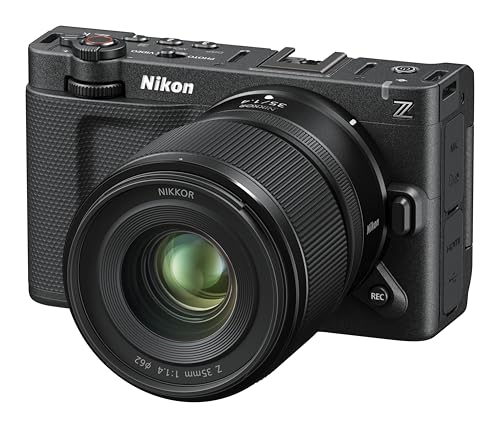
Nikon RED Z Cinema | ZR Cinema Camera | 32-Bit Float Audio RED Color Science 6K Full-Frame Camera Body with 4" DCI-P3 Monitor and 35mm Prime Lens
Check price on AmazonKey Factors to Consider When Choosing a Compact Cinema Camera
With so many options on the market, how do you choose the right compact cinema camera for your needs? Here are the most critical factors to evaluate:
1. Sensor Size and Low-Light Performance
The sensor is the heart of any camera. In the compact cinema world, you'll commonly find Super 35, Micro Four Thirds, and full-frame sensors. A larger sensor generally offers better low-light performance and shallower depth of field, but it also requires larger, heavier lenses. If you frequently shoot in challenging lighting conditions, a full-frame or Super 35 sensor is a wise choice. For a deeper dive into sensor differences, check out our guide on full-frame vs APS-C.
2. Lens Mount and Ecosystem
The lens mount determines what lenses you can use. Popular mounts for compact cinema cameras include Canon RF, Sony E, Micro Four Thirds, and L-Mount. Consider the availability and cost of lenses in that ecosystem. If you already own a set of prime or zoom lenses, choosing a camera with a compatible mount can save you thousands. Adapters are also an option, but they can introduce complications with autofocus and electronic communication.
3. Recording Codecs and Bit Depth
For professional work, you need flexibility in post-production. Look for cameras that offer 10-bit 4:2:2 internal recording or RAW output. This allows you to push the colors and exposure in editing without the image falling apart. If you're planning to shoot in 4K vs 1080p, ensure the camera supports the resolution and frame rates you need. High bit-rate codecs like ProRes and DNxHR are preferred for their editing friendliness.
4. Ergonomics and Handling
A compact camera should feel good in your hands. Consider the layout of buttons, the size of the grip, and the placement of ports. If you plan to use the camera on a gimbal, a lighter body is a huge advantage. For tripod work, a sturdy camera mount and quick-release plate are essential. Also, think about the monitor: a flip-out screen is invaluable for vlogging and shooting at odd angles.
5. Audio Inputs and Monitoring
Bad audio can ruin a great video. Look for a camera with at least one XLR input (or a capable 3.5mm input with good preamps) and a headphone jack for monitoring. Many compact cinema cameras offer built-in microphone preamps that are surprisingly good, but for professional work, you'll likely want to use an external recorder or a high-quality shotgun mic.
6. Battery Life and Power Options
Compact cameras often have smaller batteries, which can be a limitation on long shoot days. Check the battery life rating and consider buying multiple batteries or a power solution like a dummy battery adapter. Some cameras support USB-C power delivery, which can be a lifesaver for extended interviews or timelapses.
💡 Pro Tip: Don't overlook the importance of a good ND filter. Cinema cameras often have built-in ND filters, but if yours doesn't, you'll need to invest in one to maintain a cinematic shutter speed in bright light. This is especially crucial for outdoor shooting.
Who Is a Compact Cinema Camera For?
Compact cinema cameras are incredibly versatile and cater to a wide range of creators. Here are some of the most common use cases:
- Documentary Filmmakers: The lightweight and unobtrusive nature of these cameras makes them perfect for capturing real-life stories without drawing attention. They are easy to handhold or mount on a tripod in tight spaces.
- Indie Filmmakers: When every dollar counts, a compact cinema camera offers professional image quality at a fraction of the cost of a full cinema rig. They are ideal for narrative shorts and feature films.
- Content Creators and Vloggers: If you want to elevate your YouTube videos or online content, a compact cinema camera provides that cinematic look. Pair it with a compact vlogging camera setup for a powerful combo.
- Wedding and Event Videographers: The ability to move quickly and shoot in low light is crucial for weddings. A compact cinema camera with good autofocus and low-light performance is a valuable tool.
- Travel Filmmakers: When you're on the move, every gram counts. A compact cinema camera fits easily into a camera backpack and is ready to shoot at a moment's notice.
No matter your niche, a compact cinema camera can help you tell your story with stunning visuals. If you're just starting out, you might also consider a compact mirrorless camera as a stepping stone, as many offer excellent video features in a small package.
Frequently Asked Questions About Compact Cinema Cameras
What is the difference between a compact cinema camera and a regular mirrorless camera?
While both can shoot video, a compact cinema camera is designed with video-first features like built-in ND filters, full-size HDMI ports, XLR audio inputs, and active cooling for unlimited recording. A compact mirrorless camera is primarily a stills camera that also shoots video, often lacking these professional video features.
Do I need a full-frame sensor for a compact cinema camera?
Not necessarily. Full-frame sensors offer better low-light performance and shallower depth of field, but Super 35 and Micro Four Thirds sensors are also widely used in cinema. The best choice depends on your shooting style and lens collection. Our guide on full-frame vs APS-C can help you decide.
Can I use my existing DSLR lenses on a compact cinema camera?
Yes, with the right adapter. However, autofocus performance and electronic communication may vary. For the best experience, native lenses for the camera's mount are recommended. If you're comparing lens types, our article on prime vs zoom lenses is a good resource.
Is 4K necessary for a compact cinema camera?
4K is becoming standard, offering flexibility to crop and reframe in post. However, 1080p can still be sufficient for many projects, especially if you prioritize other features like dynamic range or codec quality. Check out our comparison of 4K vs 1080p video for more insights.
What accessories do I need for a compact cinema camera?
Essential accessories include extra batteries, fast memory cards, a robust camera tripod or gimbal, a camera backpack for transport, and an external monitor for critical focus. A good ND filter is also highly recommended for outdoor shooting.
Ready to Find Your Perfect Compact Cinema Camera?
Explore our curated selection of top-rated compact cinema cameras and start your filmmaking journey today.
VIEW RECOMMENDED MODELS