
FPV Drone for Beginners: Your Complete Guide to Start Flying
Everything you need to know about choosing, building, and flying your first FPV drone. From components to costs, we've got you covered.
EXPLORE RECOMMENDED DRONESWhy FPV Drones? First-Person View (FPV) drones offer an immersive flying experience unlike any other. You see what the drone sees in real-time through goggles, giving you the sensation of actually flying. For beginners, the journey starts with understanding the basics and choosing the right equipment.
Recommended FPV Drones for Beginners
⚠️ AFFILIATE DISCLOSURE: This website contains affiliate links. As an affiliate Associate, we earn from qualifying purchases. If you make a purchase through these links, we may receive a small commission at no additional cost to you. Read our full affiliate policy.

DJI Neo 2 Motion Fly More Combo With RC Motion 3 & Goggles N3 | Stable Transmission With Digital Transceiver, 4K Drone for Beginners, FPV Flying, 3 Batteries
Check price on Amazon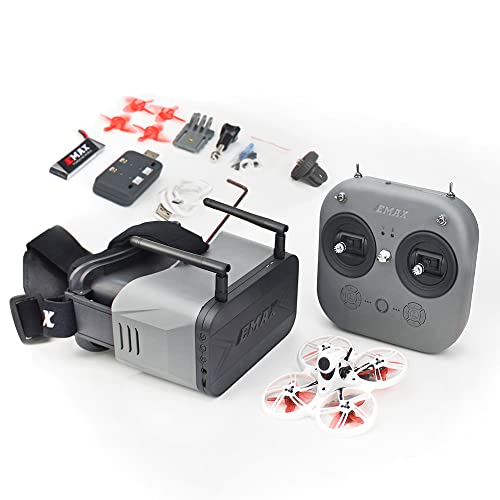
Tinyhawk 3 RTF Kit 1s FRSKY FPV Drone for Beginners with Controller and 5.6G Goggles Quadcopter Ready to Fly Kit
Check price on Amazon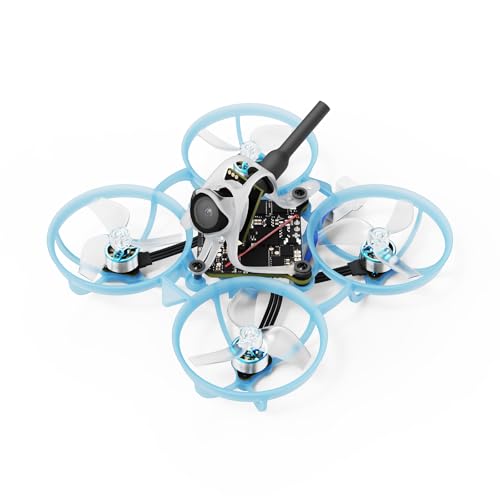
BETAFPV Air65 II Brushless Whoop Quadcopter Ultralight for FPV Freestyle | Ultralight Weight 1S FPV Drone with Matrix 1S 5IN1 II FC, 0702 25000KV Motor, 1219S 3-B Prop, C03 Camera, Air II Canopy&Frame
Check price on Amazon
Mini Drone with HD FPV Camera, Beginner Friendly RC Quadcopter for Teens Adults, 90° Tilt Lens, Altitude Hold, One Key Takeoff, 3D Flips, 3 Speed Modes, 2 Batteries 25 Mins Flight, Indoor Outdoor Gift (Gray)
Check price on Amazon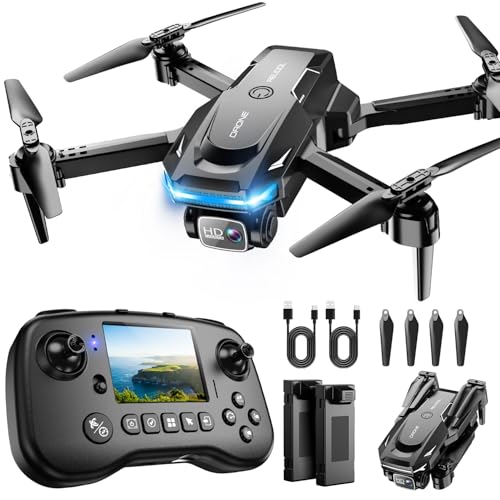
Drone with Camera, Screen on Controller Remote Control Quadcopter FPV Drone | Drone with Built-in Screen Controller for Beginners, Foldable, Gesture Control, 3D Flip, One-Key Start, and Emergency Stop
Check price on Amazon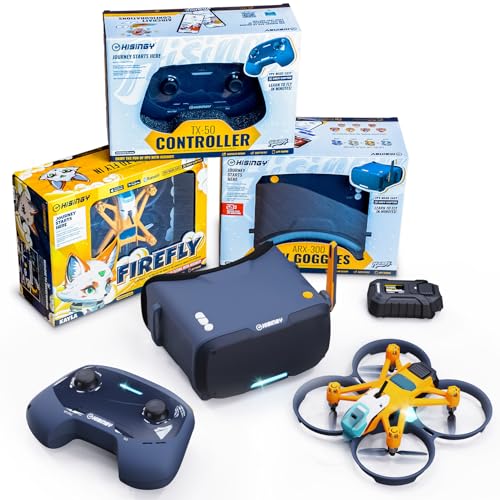
HISINGY Firefly FPV DIY Drone Kit with Camera for Kids & Beginners | APP Control, Altitude Hold, Video Record & Download, Beginner-Friendly DIY Build, Great Birthday Gift for Boys & Girls
Check price on Amazon
Drone with UHD Camera, Drone with Screen on Controller for Beginners, Remote Control Quadcopter with 2 Batteries, One Key Start, Easy to Fly, Altitude Hold, 3D Flips, Carrying Case (Gray)
Check price on Amazon
VR FPV Drones with HD Camera and VR Goggles Kit, Brushless Drone for Adults | Built-in Propeller Guard, RC Quadcopter with Remote Controller, Outdoor Video Drone Hobby for Beginners and Starters
Check price on AmazonWhat Exactly Is an FPV Drone?
An FPV drone is a remote-controlled aircraft equipped with a camera that streams live video directly to a pair of goggles or a monitor. Unlike traditional drones that you fly by looking at them from the ground, FPV drones put you in the pilot's seat. This immersive experience is why FPV flying has exploded in popularity among hobbyists, racers, and content creators.
For beginners, the world of FPV can seem overwhelming. There are many components, frequencies, and technical terms to learn. However, the rewards are immense. Once you master the basics, you'll be able to capture breathtaking aerial footage, race through obstacle courses, or simply enjoy the thrill of flight. If you're also interested in capturing high-quality video for other purposes, you might want to explore a dedicated camera for video to complement your drone footage.
Key Components of an FPV Drone
Before you buy or build an FPV drone, it's essential to understand its main parts. Each component plays a critical role in how the drone performs.
Frame
The skeleton of the drone. Usually made of carbon fiber, it determines the size and durability. For beginners, a 5-inch frame is a common starting point.
Motors
Brushless motors provide the power. They come in different sizes (e.g., 2207, 2306) and KV ratings. Lower KV means more torque, higher KV means more speed.
Flight Controller
The brain of the drone. It processes inputs from the receiver and sensors to control the motors. Betaflight is a popular firmware.
ESC (Electronic Speed Controller)
Regulates the speed of the motors based on signals from the flight controller. It must match the motor's power requirements.
FPV Camera & VTX
The camera captures the live feed, and the Video Transmitter (VTX) sends it to your goggles. Analog and digital systems are available.
Radio Transmitter & Receiver
Your link to the drone. The transmitter is your controller, and the receiver is on the drone. 2.4GHz is standard for control.
Goggles
Your view into the FPV world. They receive the video signal from the drone. Box goggles are budget-friendly, while fat shark-style goggles are more compact.
Battery
LiPo batteries are the standard. They come in different cell counts (e.g., 4S, 6S) and capacities (mAh). Higher cell count means more power.
Propellers
These provide thrust. They come in various sizes and pitches. Always match prop size to your frame and motor setup.
Types of FPV Drones: Which One Is Right for You?
Not all FPV drones are created equal. Your choice depends on your goals, budget, and where you plan to fly. Here are the main categories:
| Type | Best For | Typical Price | Skill Level |
|---|---|---|---|
| Tiny Whoop | Indoor flying, learning basics | $80–$150 | Beginner |
| Cinewhoop | Cinematic footage, safe for indoors | $150–$300 | Beginner to Intermediate |
| 5-Inch Freestyle | Acrobatics, outdoor flying | $200–$500 | Intermediate |
| Racing Drone | Competitive racing | $250–$600 | Intermediate to Advanced |
| Long-Range Drone | Exploration, mountain surfing | $300–$700 | Advanced |
For absolute beginners, a Tiny Whoop or a Cinewhoop is often the best starting point. They are durable, less intimidating, and can be flown indoors. If you're looking for something even more budget-friendly to practice with, consider a cheap drone before investing in a full FPV setup.
How to Choose Your First FPV Drone
When selecting your first FPV drone, consider these factors to ensure you get the best value and experience:
-
Start with a Kit or RTF (Ready-to-Fly) Model
Building a drone from scratch is rewarding but complex. RTF kits include everything you need: drone, transmitter, goggles, and battery. This is the fastest way to get flying.
-
Decide Between Analog and Digital
Analog systems are cheaper and have lower latency. Digital systems (like DJI HD) offer superior image quality but cost more. For beginners, analog is often more forgiving and budget-friendly.
-
Consider the Size and Weight
Smaller drones (like Tiny Whoops) are safer and can be flown indoors. Larger drones (5-inch) are more powerful but require more space and come with higher risks.
-
Check for Spare Parts Availability
You will crash. It's part of learning. Choose a drone model that has readily available spare parts (props, motors, frames) to minimize downtime.
-
Budget for Accessories
Don't forget to budget for extra batteries, a charger, spare propellers, and a carrying case. These add to the overall cost. For those also interested in ground-based photography, a camera accessories guide can provide useful insights into essential gear.
Pros and Cons of Starting with FPV Drones
Advantages
- Immersive flying experience
- Ability to capture unique cinematic angles
- Large and supportive community
- Customizable and upgradeable
- Thrilling and fun hobby
Challenges
- Steep learning curve
- Requires practice and patience
- Potential for crashes and repairs
- Initial investment can be high
- Regulations and safety considerations
Getting Started: Your First Steps
Once you have your equipment, follow these steps to begin your FPV journey:
-
Practice with a Simulator
Before flying your real drone, spend hours on a simulator like Velocidrone or Liftoff. This saves you money on repairs and builds muscle memory.
-
Find a Safe Flying Location
Start in an open field with no people or obstacles. Avoid flying near airports, crowds, or private property without permission.
-
Learn to Hover and Control
Master basic hovering, turning, and throttle control. Don't rush into acrobatics.
-
Join the Community
Online forums, local clubs, and YouTube channels are invaluable resources. Don't be afraid to ask questions.
-
Upgrade Gradually
As your skills improve, you can upgrade components or move to a more advanced drone. The journey is continuous.
Frequently Asked Questions
Final Thoughts
Starting with FPV drones is an exciting adventure. While the initial learning curve may seem steep, the combination of immersive flight and creative potential makes it incredibly rewarding. Remember to start with a suitable beginner model, practice on a simulator, and always prioritize safety. The FPV community is welcoming, and with patience, you'll be soaring through the skies in no time.
Whether you're drawn to racing, freestyle, or cinematic videography, the world of FPV offers endless possibilities. Take your first step today and discover the joy of flight.