
High Resolution Camera: The Ultimate Buying Guide
Unlock breathtaking detail and print large with confidence. Discover how to choose the perfect high resolution camera for landscape, commercial, and fine art photography.
EXPLORE TOP PICKSWhy High Resolution Matters: A high resolution camera captures more megapixels, allowing you to crop heavily, print in large formats, and reveal intricate details that lower-resolution sensors simply miss. Whether you're a landscape photographer or a commercial retoucher, the right high-res camera is a game-changer.
What Exactly Is a High Resolution Camera?
In simple terms, a high resolution camera is one that features a sensor with a large number of megapixels (MP). While standard cameras today offer 24MP, high resolution models typically start at 45MP and can go up to 100MP or more in medium format systems. This pixel density translates directly into more captured detail, which is crucial for professionals who need flexibility in post-processing.
However, resolution isn't just about megapixels. It's also about the quality of those pixels. A full-frame camera with a high-resolution sensor and excellent dynamic range will outperform a smaller sensor with a higher pixel count. This is why many professionals gravitate towards full-frame or medium format systems for their high-res work.
When you're researching, you'll encounter terms like "high megapixel camera" and "high res camera." They essentially refer to the same category. The key is to balance resolution with other critical factors like low-light performance, autofocus speed, and lens quality.
Who Should Invest in a High Resolution Camera?
High resolution cameras are not for everyone. They cater to specific needs where detail is paramount. If you fall into any of the following categories, a high-res camera could significantly elevate your work:
- Landscape Photographers: Capture vast scenes with intricate foliage, rock formations, and distant mountains. The ability to crop into a scene without losing quality is invaluable.
- Commercial & Product Photographers: Clients often require images that can be used across billboards, magazines, and e-commerce platforms. High resolution ensures your images look crisp at any size.
- Fine Art Photographers: If you print and sell large-format prints, a high-res camera is essential to maintain sharpness and detail in every inch of the print.
- Architectural Photographers: Capturing buildings with precision requires resolving fine textures and lines. A high-res sensor makes a noticeable difference.
- Wildlife Photographers: When you can't get close to your subject, cropping is inevitable. A high-resolution camera allows you to maintain detail even after significant cropping. You might also consider a telephoto lens for wildlife photography to pair with your high-res body.
If you're a casual shooter or primarily share images on social media, a standard 24MP camera is more than sufficient. The benefits of high resolution come into play when you need to print large, crop heavily, or meet demanding client specifications.
Key Factors to Consider Before Buying
Choosing a high resolution camera involves more than just picking the one with the highest megapixel count. Here are the critical factors you need to evaluate:
1. Sensor Size and Type
The sensor is the heart of any camera. For high resolution, you'll typically look at full-frame or medium format sensors. Full-frame sensors (36x24mm) offer an excellent balance of resolution, low-light performance, and lens selection. Medium format sensors are even larger, delivering unparalleled detail but at a significantly higher cost and with fewer lens options.
2. Megapixel Count
This is the most obvious spec. High resolution starts around 45MP. Cameras like the Sony A7R V (61MP) and Fujifilm GFX 100 II (102MP) are prime examples. Remember, more megapixels mean larger file sizes, requiring more storage and more powerful computers for editing.
3. Dynamic Range
Dynamic range is the camera's ability to capture details in both shadows and highlights. A high-resolution camera with poor dynamic range will still struggle in high-contrast scenes. Look for cameras with excellent dynamic range scores, as this will give you more flexibility in post-processing.
4. Lens Quality
A high-resolution sensor demands high-quality glass. If your lens can't resolve the sensor's resolution, you're not getting the full benefit. Invest in premium lenses designed for high-resolution sensors. For example, a wide-angle camera lens with excellent sharpness is a must for landscape photography. You can also explore options like a 70 to 300mm lens for versatility.
5. Autofocus and Speed
High-resolution files are large, and processing them can slow down your camera. Ensure the camera has a robust processor and a reliable autofocus system. This is especially important for wildlife and action photography.
6. File Size and Storage
Be prepared for massive file sizes. A single RAW file from a 100MP camera can be over 100MB. You'll need fast, high-capacity memory cards and a robust backup workflow. Consider a micro SD card for security camera if you're also managing a surveillance system, but for your high-res camera, invest in fast UHS-II or CFexpress cards.
7. Budget
High resolution comes at a premium. You can expect to spend anywhere from $2,500 to $8,000 for a high-resolution full-frame camera body, and significantly more for medium format. Lenses are an additional investment. It's wise to consider renting camera equipment first to test a system before committing.
High Resolution Camera Comparison: Full-Frame vs. Medium Format
When diving into high resolution, you'll quickly encounter two main categories: high-resolution full-frame and medium format. Here's a quick comparison to help you decide.
| Feature | High-Resolution Full-Frame | Medium Format |
|---|---|---|
| Typical Resolution | 45MP - 61MP | 50MP - 102MP+ |
| Sensor Size | 36 x 24mm | 44 x 33mm or larger |
| Lens Selection | Vast, with many affordable options | Limited, generally more expensive |
| Autofocus Speed | Generally faster, excellent for action | Slower, better for static subjects |
| Price Range | $2,500 - $4,500 (body only) | $5,000 - $8,000+ (body only) |
| Best For | Landscape, wildlife, weddings, versatile professional work | Studio, commercial, fine art, architecture |
For most professionals, a high-resolution full-frame camera offers the best balance of resolution, versatility, and value. Medium format is a specialized tool for those who need the absolute maximum in detail and are willing to sacrifice speed and convenience.
Pros and Cons of High Resolution Cameras
Advantages
- Exceptional detail for large prints
- Greater cropping flexibility
- Ideal for commercial and fine art
- Future-proof for evolving display tech
- Enhances post-processing latitude
Disadvantages
- Large file sizes demand storage
- Requires powerful computer for editing
- More expensive bodies and lenses
- Can be slower in burst shooting
- High-resolution lenses are costly
Understanding these trade-offs is essential. If you frequently shoot in low light or need rapid burst speeds, a lower-resolution camera with better low-light performance might be a better choice. However, if detail is your top priority, the pros far outweigh the cons.
Tips for Maximizing Your High Resolution Camera
Once you've invested in a high resolution camera, you'll want to ensure you're getting the most out of it. Here are some practical tips:
- Use a Sturdy Tripod: High resolution magnifies camera shake. A stable tripod is essential for sharp images. Consider a camera stabilizer or camera gimbal stabilizer for video work.
- Master Your Lenses: Shoot at the lens's sweet spot (usually f/5.6 to f/8) for maximum sharpness. Avoid diffraction by not stopping down too far.
- Use Mirrorless Advantages: Many high-res cameras are mirrorless, offering features like focus peaking and in-body image stabilization (IBIS) that help achieve critical sharpness.
- Invest in Fast Storage: Don't bottleneck your workflow with slow memory cards. Use the fastest cards your camera supports.
- Develop a Backup Strategy: Large files mean more data to lose. Implement a robust backup system with multiple drives and cloud storage.
- Consider a Monitor: A high-resolution monitor helps you see the detail you're capturing. Calibrate it for accurate color and contrast.
If you're also interested in video, a high resolution camera can be excellent for movie making and cameras for YouTubing, offering 4K or even 8K footage with incredible detail.
Common Mistakes to Avoid
Buying a high resolution camera is a significant investment. Avoid these common pitfalls:
- Ignoring Lens Quality: Don't pair a high-res body with a mediocre lens. You'll be wasting the sensor's potential.
- Underestimating Storage Needs: Plan for large file sizes and invest in ample storage and backup solutions.
- Overlooking Computer Power: Editing 60MP+ RAW files requires a powerful computer with plenty of RAM and a fast processor.
- Choosing Resolution Over All Else: Don't sacrifice autofocus, ergonomics, or low-light performance just for more megapixels.
- Not Testing Before Buying: If possible, rent or borrow a camera to ensure it meets your expectations. You can also read our camera buying mistakes guide for more insights.
Recommended High Resolution Cameras
⚠️ AFFILIATE DISCLOSURE: This website contains affiliate links. As an affiliate Associate, we earn from qualifying purchases. If you make a purchase through these links, we may receive a small commission at no additional cost to you. Read our full affiliate policy.

Canon EOS Rebel T7 DSLR Camera EF-S 18-55mm f/3.5-5.6 is II Lens Kit | 24.1 Megapixel CMOS (APS-C) Sensor, Full HD Videos, Built-in Wi-Fi, Beginner Photographers, Digital Camera
Check price on Amazon
KODAK PIXPRO FZ55 16MP Compact Digital Camera, 5X Optical Zoom, Black | 1080p Full HD Video, 28mm Wide Angle Lens, 2.7 Inch LCD, Point and Shoot, Vlogging Camera, Li-Ion Battery
Check price on Amazon
KODAK PIXPRO FZ55 Compact Zoom Digital Camera Point and Shoot Bundle Black | 5X Optical Zoom, 16MP, 28mm Wide Angle Lens, 1080P Full HD Video, Bundle with 32GB SD Card, Camera Case and Card Reader
Check price on Amazon
8K Digital Camera, 88MP Cameras for Photography, 3" 180° Flip Screen | WiFi Vlogging Camera for YouTube, 18X Zoom UHD Autofocus Video Camara with Lens Hood, 64GB Micro SD Card for Teens
Check price on Amazon
FlyFrost 8K Video Camera 88MP UHD WiFi Vlogging Cameras for YouTube 18X Digital Zoom IR Night Vision 3.0'' Touch Screen Camcorder with Microphone, Lens Hood, Stabilizer, Remote, Two Batteries
Check price on Amazon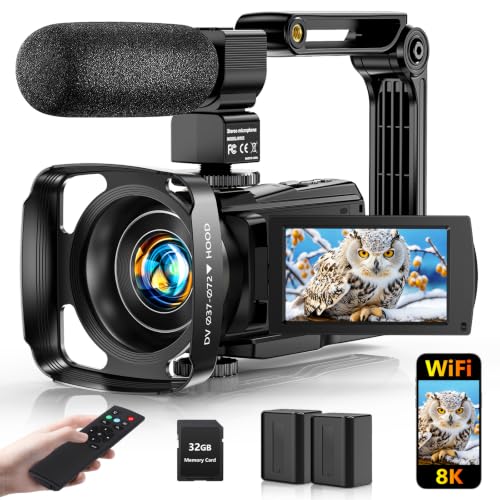
2026 8K Video Camera Camcorder, 88MP WiFi Vlogging Camera for YouTube | With IR Night Vision, 18X Digital Zoom, 270° 3.0" Touchscreen, Webcam, Remote Control, Stabilizer, 32GB Card & 2 Batteries
Check price on AmazonFinal Thoughts: Is a High Resolution Camera Right for You?
Investing in a high resolution camera is a decision that should align with your photographic goals. If you need to print large, crop extensively, or deliver top-tier detail to clients, the benefits are undeniable. The market offers excellent options, from versatile mirrorless DSLR models to specialized high-end cameras and even full-frame cameras that balance resolution with performance.
Remember, the camera is just a tool. Your skills, vision, and lenses play an equally important role. Whether you choose a professional camera for photography or a more budget-friendly good quality camera, the key is to get out there and shoot. For those who are just starting, our first camera checklist can be a great resource.
We hope this guide has provided you with the clarity and confidence to make an informed decision. Explore our recommended products above and take the next step in your photographic journey.