
Home Security System Without Internet: The Complete Guide
Discover how to protect your home with a reliable security system that doesn't rely on an internet connection. Explore offline cameras, local storage options, and no-WiFi solutions.
VIEW RECOMMENDED SYSTEMSWhy Go Internet-Free? An internet-free security system offers enhanced privacy, immunity to Wi-Fi outages, and no monthly fees. This guide will help you understand your options and choose the best offline system for your needs.
Understanding Internet-Free Security Systems
In an era where everything is connected, the idea of a home security system without internet might seem outdated. However, for many homeowners, it's a smart, reliable, and private choice. An offline security system operates independently of your Wi-Fi network and internet service provider. Instead of sending video footage to a remote cloud server, it records and stores data locally on a DVR (Digital Video Recorder), NVR (Network Video Recorder), or on a built-in memory card. This means your surveillance footage remains entirely under your control.
The primary advantage is resilience. When your internet goes down, your security system stays up. Unlike cloud-based cameras that become useless without a connection, a local system continues to record and can often be monitored via a direct monitor or a local network. This makes it an ideal solution for areas with unreliable internet, for privacy-conscious individuals, or for anyone looking to avoid recurring subscription fees. For those who need a truly self-contained solution, a security camera that does not need WiFi is the cornerstone of this setup.
How Offline Security Systems Work
An internet-free system is built around a few core components that work together seamlessly. The most common types are:
- DVR-Based Systems: These use analog cameras connected via coaxial cables to a DVR. The DVR is the brain of the system, processing and storing video on an internal hard drive. You can view live footage on a connected monitor or TV. To access it remotely, you would need to connect the DVR to your router, but the system itself records without needing the internet.
- NVR-Based Systems: These use IP cameras that connect to an NVR via a single Ethernet cable (PoE). This cable provides both power and data, simplifying installation. The NVR stores the footage on its hard drive. This is a very popular choice for a high-quality PoE security camera setup, as it offers excellent reliability and video quality without needing a Wi-Fi signal.
- Standalone Cameras: Many modern cameras record directly to a microSD card. These are perfect for small-scale surveillance. A camera like a small indoor wireless security camera or an outdoor model can be placed anywhere and will record motion events to its local card, completely independent of any network. You can then review the footage by connecting the camera to a computer or via a direct mobile app connection (not over the internet).
For car owners, this same principle applies. A car security camera 24 hours recording often uses a local storage card to monitor your vehicle while parked, without needing a Wi-Fi connection.
Recommended No-Internet Security Systems
⚠️ AFFILIATE DISCLOSURE: This website contains affiliate links. As an affiliate Associate, we earn from qualifying purchases. If you make a purchase through these links, we may receive a small commission at no additional cost to you. Read our full affiliate policy.

Alarm System for Home Security,24Pcs No Monthly Fees,No Pairing Required | Home Alarm System with WiFi+GSM/4G,Compatible with Alexa or Google,Quick Installation,APP Control with Instant Alerts
Check price on Amazon
4CH Wired Security Camera System, AIWIXEN 4X 1080P Cam, DVR with 512GB HDD | Surveillance Cameras with Human Vehicle Detection, IP68 Waterproof, 24-7 Recording, Remote Access, Home Security CCTV Outdoor
Check price on Amazon
15-Piece WiFi Home Security System, DIY Wireless Alarm Kit, No Subscription | 120dB Loud Alarm, 8-Hour Backup Battery, Instant App Alerts, DIY Installation, No Monthly Fee, Expandable Home Protection
Check price on Amazon
Alarm System for Home Security,24Pcs WiFi+GSM/4G No Monthly Fee Wireless Security System, Phone App Control,Real-Time Alert,Auto Alarm Dial,Compatible with Alexa & Google,No Monthly Fee
Check price on Amazon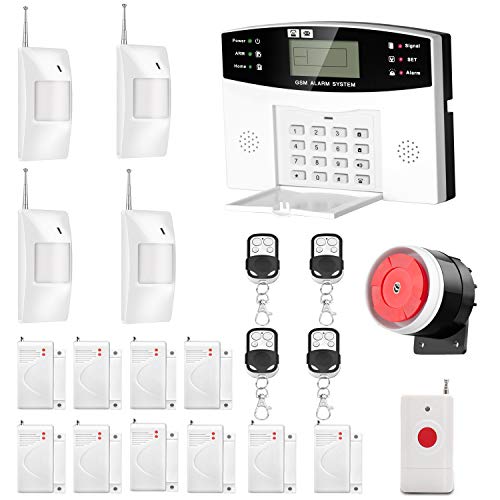
AGSHOME Security Alarm System 99+7 Zone Auto Dial 3/4G GSM SMS Home Burglar Security Wireless GSM Alarm System Detector Sensor Kit Remote Control
Check price on Amazon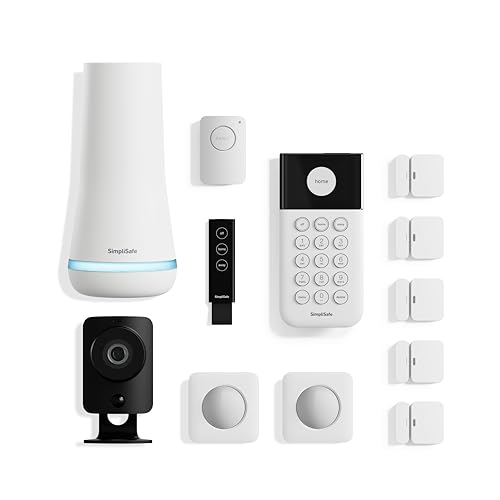
SimpliSafe 12 Piece Wireless Home Security System w/HD Camera - Optional 24/7 Professional Monitoring - No Contract - Compatible with Alexa and Google Assistant, White
Check price on Amazon
CAMCAMP Wireless Security Camera System 8 Security Cameras Wireless Outdoor | Plug-in Powered, Smart Auto Tracking Pan&Tilt, 1080P Cam WiFi Pro 16CH NVR 500GB No Monthly Fee Color Night Vision 2-Way Talk
Check price on Amazon
Home Security System, Alarm System for Home Security, 8-Piece Kit WiFi/GSM SMS Alarm System with Motion Detector, 120dB Alarm Siren, Door/Window Burglar Alarm, Smart Remote Control, Alexa-Compatible
Check price on AmazonKey Features to Look For
When choosing an offline security system, you need to focus on features that enhance its standalone capabilities. Here’s what to prioritize:
Local Storage: This is non-negotiable. Look for a system with a large hard drive (1TB to 4TB is common) or a camera that supports high-capacity microSD cards. For a single camera setup, a 128GB micro SD card for security camera is a great starting point, offering days or even weeks of continuous or motion-based recording.
Power Source: You have two main options. Wired systems are the most reliable, providing constant power and a stable connection. For greater flexibility, consider a battery-powered home security camera. These can be placed anywhere but require periodic recharging. For the ultimate in eco-friendly, off-grid operation, look for a wireless solar security camera.
Installation & Monitoring: A true offline system can be monitored locally via a monitor or by connecting directly to the recorder. However, many systems offer the option to connect to your home network for remote viewing *when you want it*, without relying on the internet for its core recording function. If you're unsure about installation, a home security camera installation service can help, but many DIY kits are designed for easy self-installation.
Night Vision and Durability: Ensure your cameras can see in the dark. A night CCTV camera is essential. For outdoor use, a weatherproof wireless outdoor security camera without subscription is a must-have. Look for models with IR-cut filters for clear day and night footage.
Installation and Setup Tips
Installing an internet-free system is often simpler than a cloud-based one, as you don't have to worry about Wi-Fi signal strength. Here are some tips:
- Plan Your Camera Positions: Identify all entry points (doors, windows), driveways, and blind spots. For a comprehensive view of your vehicle, a front and rear dash cam with parking mode can be a great addition to your car, working on the same offline principle.
- Cable Management: For wired systems, carefully plan your cable routes to avoid tripping hazards and protect cables from the elements. Running cables through walls or conduits gives a clean, professional look.
- Secure the Recorder: Place your DVR or NVR in a secure, locked location, preferably out of sight. This prevents thieves from stealing the recording device itself.
- Configure Motion Alerts: Set up your system to record on motion to save storage space and make reviewing footage easier. This is especially useful for a hidden front door camera for an apartment, which only needs to record when someone approaches.
- Consider a Professional Installation: If you're not comfortable running cables and drilling holes, a security systems installation service can ensure a perfect and safe setup.
Making the Right Choice for Your Home
A home security system without internet is a powerful, private, and reliable way to protect your property. It gives you full control over your data and ensures your surveillance never goes offline due to an internet outage. Whether you choose a comprehensive PoE NVR system, a simple DVR kit, or a standalone battery-powered camera, the key is to focus on local storage, reliable power, and high-quality components. By taking the time to understand your options, you can build a system that provides peace of mind for years to come, completely independent of the cloud.