
Macro Shot Guide: Master Close-Up Photography
Discover how to capture breathtaking macro shots. Learn about macro lenses, lighting setups, focus stacking, and the essential gear that transforms tiny subjects into extraordinary images.
EXPLORE MACRO GUIDESWhat is a macro shot? A macro shot is an extreme close-up photograph that reveals details invisible to the naked eye—the intricate veins of a leaf, the compound eyes of an insect, or the delicate structure of a flower petal. True macro photography typically involves a 1:1 reproduction ratio, meaning the subject is rendered life-size on the camera sensor. Whether you are drawn to nature, product photography, or abstract textures, mastering the macro shot opens a world of creative possibilities.
Understanding Macro Photography Basics
Macro photography is not simply about getting close to your subject. It requires an understanding of magnification, depth of field, and how light interacts with tiny subjects. A true macro shot achieves a magnification ratio of at least 1:1, where the image on the sensor is the same size as the actual subject. Some specialized lenses can even reach 5:1 or higher for extreme close-ups.
The most critical challenge in macro work is depth of field. At high magnification, even at narrow apertures like f/16, the zone of acceptable sharpness can be just a few millimeters. This is why macro photographers often use techniques like focus stacking—combining multiple exposures at different focus points—to achieve front-to-back sharpness. Understanding the exposure triangle becomes even more vital when every millimeter of depth matters.
Key Macro Terminology
Reproduction Ratio: The relationship between the subject size and its image on the sensor. 1:1 means life-size. Working Distance: The distance from the front of your lens to the subject. Magnification: How much larger the subject appears compared to life-size. Focus Stacking: A technique combining multiple shots at different focus distances to create one perfectly sharp image.
Choosing the Right Macro Lens
The lens is the heart of any macro setup. While you can achieve close-up results with extension tubes or close-up filters, a dedicated macro lens delivers superior optical quality and true 1:1 magnification. When selecting a macro lens, consider focal length carefully: shorter focal lengths (40mm–60mm) are compact and ideal for product photography, while longer focal lengths (90mm–200mm) provide more working distance, which is essential for skittish insects and live subjects.
For those exploring different lens options, understanding the difference between prime vs zoom lenses is helpful. Most macro lenses are primes, offering exceptional sharpness and wide maximum apertures. If you are building a versatile kit, a macro prime complements a standard zoom perfectly. Additionally, sensor size plays a role—APS-C cameras can provide extra reach due to their crop factor, which can be advantageous for macro work, as discussed in our full frame vs APS-C comparison.
50mm–60mm Macro
Best for product photography, flat subjects, and tabletop work. Lightweight and affordable, but requires very close working distances.
90mm–105mm Macro
The sweet spot for most photographers. Offers comfortable working distance for insects and flowers while maintaining excellent sharpness.
150mm–200mm Macro
Ideal for skittish wildlife and outdoor use. Provides maximum working distance but is heavier and more expensive.
Mastering Macro Lighting
Lighting is where macro photography truly comes alive. At close distances, your lens and body can cast shadows on the subject, and natural light may be too harsh or directional. A dedicated macro ring flash or a twin-light setup solves this by providing even, shadow-free illumination. For a more natural look, diffused LED panels or a simple reflector can soften harsh highlights.
The quality of light matters as much as the quantity. Soft, diffused light reveals texture and color without blowing out highlights, while harsh light creates dramatic contrast but may obscure fine details. Experiment with lighting techniques such as backlighting to create translucent effects in leaves or wings, or side lighting to emphasize texture in coins and stamps. For outdoor macro work, an LED flash with adjustable power is a versatile companion.
Focus Techniques for Sharp Macro Shots
Achieving precise focus is the most demanding aspect of macro photography. Autofocus often struggles at high magnification, so manual focus is the preferred approach. The standard technique is to set your lens to the desired magnification, then move your camera slowly toward or away from the subject until the critical detail snaps into focus. This "rocking" motion gives you fine control that autofocus cannot match.
For stationary subjects, a sturdy camera tripod is indispensable. It eliminates camera shake and allows you to use smaller apertures for greater depth of field. When shooting live subjects, however, a tripod may be impractical—instead, use a high shutter speed and image stabilization. Our focus techniques guide covers advanced methods including focus peaking and focus stacking workflows.
Focus Stacking Workflow
Focus stacking involves taking multiple shots at different focus distances and blending them in software. Start by focusing on the nearest point of your subject, then gradually adjust focus toward the background, capturing 5–20 images. Combine them using software like Helicon Focus or Photoshop's auto-blend feature. This technique is essential for subjects with significant depth, such as insects or complex botanical structures.
Composition and Creative Macro Ideas
Macro photography is not just about technical precision—it is about seeing the world differently. Apply the same composition rules you would use in any genre: the rule of thirds, leading lines, and negative space. A single dewdrop on a spiderweb, isolated against a dark background, can be more powerful than a cluttered frame.
Creative ideas for macro shots include water droplets on petals, the iridescent scales of butterfly wings, the texture of rusted metal, or the geometric patterns of snowflakes. Each subject offers a unique challenge and reward. For inspiration across genres, explore our photography style and technique hub, which covers everything from portrait photography to landscape photography.
Essential Macro Gear and Accessories
Beyond the lens, several accessories can elevate your macro work. Extension tubes are hollow spacers that increase magnification without additional glass, making them a budget-friendly alternative to a dedicated macro lens. Close-up filters screw onto your existing lens like a magnifying glass, though they can reduce image quality at the edges. Reversing rings allow you to mount a lens backward for extreme magnification.
A focusing rail is a precision tool that lets you move your camera in tiny increments—essential for focus stacking and studio macro work. For field work, a camera bag with quick access and weather protection keeps your gear safe. And do not overlook the importance of a good camera strap for comfort during long macro sessions. If you are just starting out, our camera starter hub provides a solid foundation.
Post-Processing for Macro Photography
Post-processing transforms a good macro shot into a great one. Start with a solid photo editing workflow: import, cull, correct exposure, adjust white balance, and sharpen selectively. Macro images often benefit from noise reduction, as high magnification can amplify sensor noise. Use masking to sharpen only the in-focus areas while keeping backgrounds smooth.
For black-and-white macro work, understanding black and white photography principles helps you emphasize texture and form. If you are experimenting with color grading, a color theory refresher can guide your choices. And for those who want to emulate classic film looks, our film emulation guide offers practical recipes.
Recommended Macro Photography Gear
⚠️ AFFILIATE DISCLOSURE: This website contains affiliate links. As an affiliate Associate, we earn from qualifying purchases. If you make a purchase through these links, we may receive a small commission at no additional cost to you. Read our full affiliate policy.
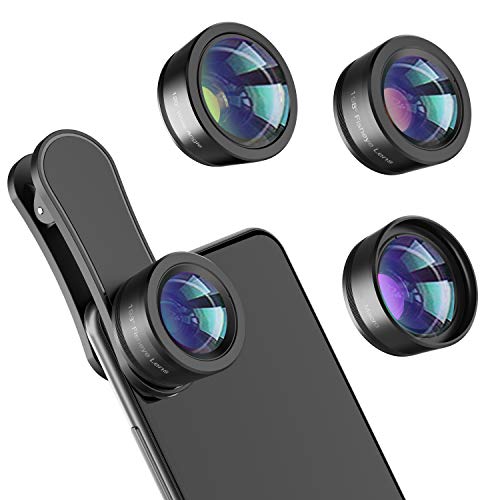
Phone Camera Lens,Upgraded 3 in 1 Phone Lens kit-198° Fisheye Lens + Macro Lens + 120° Wide Angle Lens,Clip on Cell Phone Lens Kit Compatible with Samsung Android Smartphones
Check price on Amazon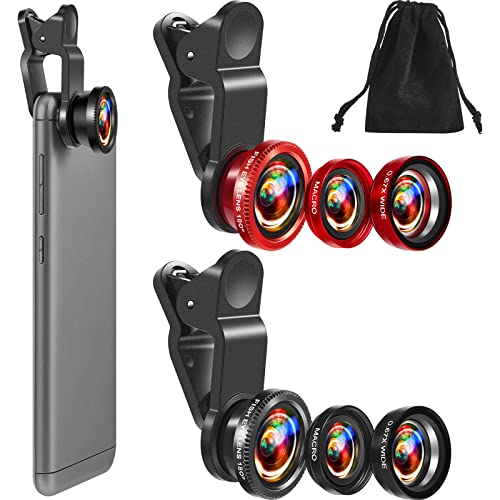
Flutesan 2 Pack Universal 3 in 1 Camera Lens Kit Phone Camera Shot Clip | Fisheye Macro Wide Angle Lens Cell Phone Shot Attachments Compatible with Most Smartphones for Video, Live Show, Vlog
Check price on Amazon
APEXEL Professional Macro Photography Lens for Smartphone Macro Lenses | for iPhone, Samsung, Galaxy, Oneplus, Android Phone(Fits for Almost All Phone), Cell Phone Lens Attachment for iPhone
Check price on Amazon
ShiftCam V.Series 75mm Macro Lens, 10X Optical Zoom, Fluorite Crystal | Capture fine detail with 10X optical magnification, 7–10cm working distance, and natural bokeh for stunning macro shots.
Check price on Amazon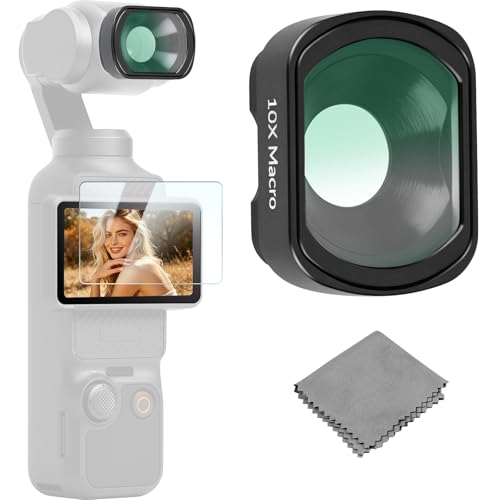
VITALUXE Magnetic 10X Macro Lens for DJI Osmo Pocket 3 /Pocket 4/Xtra Muse
Check price on Amazon
EXMAX® 16cm 2 Way Macro Shot Focusing Focus Rail Slider/Close-up Shooting 1/4 Quick Screw Release Mount Camera Flash Support Plate
Check price on Amazon
GoPro Macro Lens Mod (HERO13 Black) - Official GoPro Lens (AEWAL-021) | Variable focus lens with scratch-resistant glass for macro photography, close-up videography and detail shots
Check price on Amazon
Proaim Overhead Photo & Video Boom Pole with Ball Head | Suspend your camera over the subject for tabletop and macro shots — holds up to 5kg/11lb with included counterweights
Check price on AmazonFrequently Asked Questions About Macro Shots
Do I need a dedicated macro lens for macro photography?
Not necessarily. Extension tubes, close-up filters, and reversing rings can achieve macro magnification with your existing lenses. However, a dedicated macro lens offers superior optical quality, true 1:1 magnification, and smoother focusing—making it the best choice for serious macro work.
What is the best aperture for macro shots?
Most macro photographers use apertures between f/8 and f/16. Wider apertures like f/2.8 create a very shallow depth of field, which can be artistic but challenging. Narrow apertures like f/22 increase depth of field but introduce diffraction, which softens the image. Experiment to find the sweet spot for your lens and subject.
How do I avoid camera shake in macro photography?
Use a sturdy tripod, a remote shutter release or timer, and mirror lock-up if your camera supports it. For handheld shooting, increase your shutter speed to at least 1/250s and use image stabilization. A flash can also freeze motion effectively.
Can I shoot macro with a smartphone?
Yes, many modern smartphones have dedicated macro modes or macro lenses. While they cannot match the quality of a dedicated camera setup, they are excellent for casual macro exploration and learning composition. For more serious work, consider a compact camera with macro capabilities or a mirrorless system.
What subjects work best for macro photography?
Popular macro subjects include insects, flowers, water droplets, coins, stamps, textiles, food, and abstract textures. The best subject is one that fascinates you—macro photography rewards curiosity and patience.
Final Thoughts: Your Macro Journey Starts Here
Macro photography is a journey of discovery. It teaches patience, precision, and a deeper appreciation for the world around you. Whether you are photographing a beetle's shell or a snowflake's symmetry, every macro shot is an opportunity to share a hidden world with others.
Start with the gear you have, master the fundamentals of light and focus, and gradually expand your toolkit. Explore our macro photography guide for deeper dives into specific techniques, and browse highest rated cameras and editor's choice cameras to find the perfect body for your macro work. The world is waiting—one tiny detail at a time.