
Mini DV Tapes: The Complete Guide to Buying, Using & Preserving Your Digital Memories
Mini DV tapes were the backbone of home video and independent filmmaking for over a decade. Even today, countless hours of irreplaceable family moments, documentaries, and creative projects remain locked on these small cassettes. Whether you are a nostalgic camcorder owner, a filmmaker digitizing an archive, or someone who just inherited a box of old tapes, this guide will walk you through everything you need to know about Mini DV tapes — from choosing the right tape stock to storing them properly and transferring footage to modern formats.
We will also help you understand the current market for Mini DV tapes, camcorders, and accessories, so you can make informed decisions whether you are buying, selling, or simply preserving. Let’s dive into the world of digital video cassettes and make sure your memories survive for generations.
Why Mini DV Tapes Still Matter
Mini DV tapes introduced a generation to digital video. Unlike older analog formats, they stored footage as digital data, which meant no generation loss when copying and easy transfer to computers via FireWire. For many families, a camcorder camera using Mini DV was the first digital video device they ever owned. Today, those tapes hold weddings, birthdays, graduations, and everyday moments that simply cannot be recreated.
But Mini DV is not just about nostalgia. Independent filmmakers and video artists often prefer the specific look and workflow of tape-based acquisition. The format also remains a cost-effective way to shoot if you already own a working camcorder. And for archivists, understanding how to properly care for Mini DV tapes is critical because the magnetic media does degrade over time. If you are looking for a reliable video recorder camera that uses tapes, the second-hand market still offers options, though prices have risen as supplies dwindle.
Key Features & Buying Considerations for Mini DV Tapes
Tape Length & Recording Time
Mini DV tapes come in standard lengths: 60 minutes (SP) / 90 minutes (LP), and 80 minutes (SP) / 120 minutes (LP). Longer tapes are thinner and more prone to stretching, so for critical projects, shorter tapes are often safer. Standard 60-minute tapes are the most common and reliable.
Brand & Quality
Major brands like Sony, Panasonic, JVC, and Maxell produced excellent Mini DV tapes. Premium lines (e.g., Sony Premium, Panasonic AY-DVM) use higher-grade magnetic particles and better cassette shells, reducing dropouts and head clogs. Avoid no-name or heavily used tapes for important recordings.
New vs. Used Tapes
New old stock (NOS) tapes are increasingly rare and expensive. Used tapes may have worn magnetic coating or physical damage. If you must reuse, always inspect the tape path and avoid tapes with visible creases or mold. For archiving, always use new or professionally erased tapes.
Storage Conditions
Mini DV tapes are sensitive to heat, humidity, and magnetic fields. Store them vertically in a cool, dry place (around 20°C / 68°F and 40–50% relative humidity). Use silica gel in storage containers and avoid attics, basements, and cars. Proper storage can extend tape life for decades.
Mini DV Tapes & Camcorder Price Guide
Prices for Mini DV tapes and compatible camcorders vary widely depending on condition, brand, and rarity. Below is a realistic overview of the current market (as of 2026) to help you budget. Always check current listings on marketplaces and specialist retailers.
| Item | Typical Price Range | Notes |
|---|---|---|
| New Mini DV Tape (single, 60 min) | $8–$20 | Branded, sealed. Prices rising due to scarcity. |
| New Mini DV Tape (pack of 5) | $40–$90 | Sony, Panasonic premium lines command higher prices. |
| Used Mini DV Tape (single) | $2–$8 | Condition unknown; risky for important recordings. |
| Mini DV Camcorder (working, used) | $80–$400 | Prosumer models (Sony VX, Canon GL) can exceed $500. |
| Mini DV Camcorder (new old stock) | $500–$1,200+ | Rare, collector pricing. Not recommended for casual use. |
| FireWire / i.LINK Cable | $10–$30 | Essential for capturing footage to a computer. |
| Head Cleaning Cassette | $15–$35 | Use sparingly; overuse can damage video heads. |
Recommended Mini DV Tapes & Camcorders
⚠️ AFFILIATE DISCLOSURE: This website contains affiliate links. As an affiliate Associate, we earn from qualifying purchases. If you make a purchase through these links, we may receive a small commission at no additional cost to you. Read our full affiliate policy.

Sony DVM60PRR/3 60-Minute DVC Tape Hang Tab
Check price on Amazon
Sony 60 Minute DVC Premium (5 Pack)
Check price on Amazon
Maxell 298016 Premium Grade Mini DV Video Cassette 60 Minutes 3 pack
Check price on Amazon
Panasonic miniDV Videocassette - 60 Minutes, 3-Pack
Check price on Amazon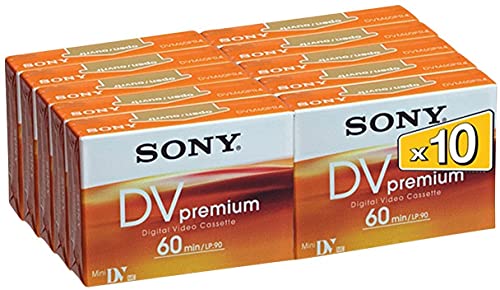
Sony DVC60PRL Mini DV Tape 60min Premium Data Cartridge 10 Packs
Check price on Amazon
Sony DVM60PRR/6 Premium Digital Video Cassette Brick - 6 Pack
Check price on Amazon
Panasonic AY-DVM60EJ3 MiniDV Tapes (60 Minute, 3 Pack)
Check price on Amazon
Sony 10 Pack 60 min DVM Premium
Check price on AmazonHow to Choose the Right Mini DV Tape
Not all Mini DV tapes are created equal. If you are recording important events or planning to archive footage, the tape you choose matters. Here are the key factors to consider:
Check Compatibility
Mini DV tapes are standardized, so any Mini DV tape works in any Mini DV camcorder. However, some camcorders perform better with specific brands due to head alignment. If possible, stick to the brand recommended by your camcorder manufacturer.
Prefer New, Sealed Tapes
For irreplaceable footage, always use new tapes. Used tapes may have invisible wear, lubricant depletion, or debris that can clog video heads. New old stock (NOS) is fine if stored properly, but verify the packaging is intact.
Choose Premium Formulations
Premium tapes (e.g., Sony Premium, Panasonic AY-DVM, JVC Pro) use advanced magnetic coatings that reduce dropouts and improve signal-to-noise ratio. They cost more but are worth it for professional or archival work.
Consider Tape Length
Standard 60-minute tapes are the most robust. Longer tapes (80/90 min) are thinner and more susceptible to stretching and transport issues. For critical shoots, use 60-minute tapes and carry multiple cassettes.
Storing and Preserving Your Mini DV Tapes
Mini DV tapes are magnetic media, and like all magnetic media, they degrade over time if not stored correctly. Heat, humidity, dust, and magnetic fields are the enemies. Follow these guidelines to maximize the lifespan of your tapes:
- Climate control: Store tapes in a cool, dry environment. Ideal conditions are 20°C (68°F) and 40–50% relative humidity. Avoid rapid temperature changes.
- Vertical storage: Stand tapes upright like books. This prevents uneven pressure on the tape reels and reduces the risk of warping.
- Protect from magnets: Keep tapes away from speakers, motors, and other magnetic sources. Even small magnets can erase or corrupt data.
- Use archival cases: Store tapes in their original plastic cases or in archival-quality, acid-free boxes. Avoid cardboard or paper sleeves that can attract moisture and dust.
- Rewind before storing: Always rewind tapes to the beginning before long-term storage. This equalizes tension and prevents tape deformation.
- Periodic inspection: Every few years, inspect tapes for mold, vinegar syndrome (a sour smell), or physical damage. If you spot mold, isolate the tape and consult a professional conservator.
If you have a large collection, consider investing in a digital night vision monocular? No, that’s not relevant. Instead, focus on a proper dry cabinet if you also store camera gear. For tape-specific storage, a sealed plastic bin with silica gel packets works well. Just remember to recharge or replace the silica gel regularly.
Digitizing Mini DV Tapes: A Step-by-Step Approach
The best way to preserve your Mini DV footage is to digitize it. Once transferred to a computer, you can edit, share, and back up your videos on modern storage. Here is a straightforward process:
1. Gather Equipment
You need a working Mini DV camcorder or deck, a FireWire (IEEE 1394) cable, and a computer with a FireWire port (or an adapter). If your computer lacks FireWire, consider a PCIe card or a Thunderbolt-to-FireWire adapter.
2. Connect & Capture
Connect the camcorder to your computer via FireWire. Use software like Adobe Premiere Pro, Final Cut Pro, or free tools like WinDV (Windows) or DV Rescue (Mac) to capture the footage as DV AVI or MOV files. This is a direct digital transfer with no quality loss.
3. Organize & Back Up
Label your captured files with dates and descriptions. Store them on at least two separate hard drives (one local, one off-site or cloud). Consider transcoding to a more modern codec like H.264 or H.265 for easier playback.
4. Alternative: Professional Service
If you have many tapes or lack the equipment, professional digitization services can handle the job. Expect to pay $10–$30 per tape. Always choose a service that returns your original tapes and provides high-quality files.
During digitization, you might notice dropouts or tracking issues. Cleaning the camcorder heads with a cleaning cassette can help, but use it sparingly. If a tape is severely damaged, do not attempt to play it repeatedly — consult a professional.
Common Questions About Mini DV Tapes
Can I still buy new Mini DV tapes?
Yes, but they are increasingly rare and expensive. Some online retailers and eBay sellers offer new old stock (NOS) tapes. Always check seller ratings and return policies. If you find a good deal on sealed, branded tapes, it is often worth buying in bulk.
Are Mini DV tapes better than SD cards?
For convenience and modern workflows, SD cards are far superior. However, Mini DV tapes offer a tangible archive that, if stored properly, can last decades. Many professionals still appreciate the specific look and reliability of tape for certain projects. For most people, though, a modern HD camera or even a smartphone is more practical.
How long do Mini DV tapes last?
With proper storage, magnetic tape can last 20–30 years or more. However, degradation is inevitable. The binder that holds the magnetic particles can break down, leading to dropouts. Digitizing your tapes sooner rather than later is always recommended.
What is the difference between Mini DV and DV?
Mini DV is a smaller cassette version of the DV format. Full-size DV tapes are larger and used in professional decks and some camcorders. Both store the same digital video data; the difference is purely physical size.
Can I reuse Mini DV tapes?
Technically yes, but it is not recommended for important footage. Reusing tapes increases the risk of dropouts and head clogs. If you must reuse, completely erase the tape first using a camcorder or a bulk eraser, and inspect it for damage.
Where can I buy Mini DV tapes today?
Online marketplaces like eBay, Amazon (third-party sellers), and specialty video equipment stores are your best bets. Local camera stores may still have old stock. Prices vary, so compare before buying. For a modern alternative, consider a compact camera that records to memory cards.
Preserve Your Mini DV Legacy
Mini DV tapes may be a relic of a bygone era, but the memories they hold are timeless. Whether you are shooting a new project on a trusty camcorder, archiving family history, or simply curious about this resilient format, understanding how to buy, store, and digitize Mini DV tapes empowers you to protect your digital heritage.
If you are in the market for tapes, camcorders, or accessories, explore our recommended products above. They are selected to help you get started, whether you need fresh tape stock or a reliable used camcorder. And if you are ready to move to a modern, tapeless workflow, our guides on cameras for beginners and 4K vlogging cameras can help you make the transition.
Remember: the best camera is the one you have with you — but the best archive is the one you actively preserve. Start digitizing your Mini DV tapes today.