
Monochrome Camera: The Ultimate Guide to Black & White Digital Photography
Discover the unique world of dedicated monochrome cameras. Learn how these specialized digital cameras capture stunning black and white images with exceptional detail, tonality, and sharpness that standard color sensors simply cannot match.
Explore the GuideWhat is a Monochrome Camera? A monochrome camera is a digital camera that uses a sensor without a color filter array (Bayer filter). This means every pixel on the sensor captures pure luminance data, resulting in significantly sharper images, better low-light performance, and richer tonal gradations compared to converting a color image to black and white. Whether you are a fine art photographer or a street photography enthusiast, a dedicated monochrome camera offers a unique creative tool.
Why Photographers Choose Monochrome Cameras
Superior Sharpness & Detail
Without a Bayer filter, every pixel captures light directly. This eliminates the need for demosaicing, resulting in images that are noticeably sharper and more detailed than their color counterparts. For landscape and architectural photography, this translates to incredible clarity.
Exceptional Low-Light Performance
Removing the color filter array allows more light to reach the sensor. This means monochrome cameras can shoot at higher ISO settings with less noise, making them ideal for astrophotography, nightscapes, and dimly lit interiors.
Richer Tonal Gradations
Monochrome sensors capture a wider range of luminance values, resulting in smoother transitions between shadows and highlights. This creates the deep, rich blacks and brilliant whites that define classic black and white photography.
Enhanced Creative Focus
Shooting in monochrome forces you to see the world in terms of light, shadow, texture, and composition. It is a powerful way to train your eye and develop a distinct photographic style. Many photographers pair a monochrome camera with a wide angle lens or a telephoto lens to explore different genres.
Pros and Cons of Dedicated Monochrome Cameras
Advantages
- Unmatched sharpness and micro-contrast
- Superior high-ISO performance with minimal noise
- Wider dynamic range and smoother tonal transitions
- Unique creative challenge that improves your skills
- Ideal for fine art, documentary, and street photography
Disadvantages
- Cannot shoot in color (obviously)
- Higher price point than equivalent color models
- Requires color filters (red, yellow, orange) for tonal control
- Limited model availability compared to color cameras
- Not suitable for events or commercial work requiring color
Top Monochrome Camera Models to Consider
When shopping for a dedicated monochrome camera, you will find options ranging from premium full-frame models to specialized compact cameras. Here are some of the most respected choices on the market. For those who want the flexibility of interchangeable lenses, a mirrorless DSLR platform with a monochrome sensor is an excellent investment. If you prefer a more compact setup, a small camera for home use might not offer monochrome, but dedicated models are worth the investment for serious black and white work.
| Model | Sensor | Key Feature | Price Range |
|---|---|---|---|
| Leica M11 Monochrom | Full Frame (60MP) | Legendary build, rangefinder experience | $9,000+ |
| Pentax K-3 III Monochrome | APS-C (26MP) | Weather-sealed DSLR, exceptional value | $2,000 |
| Leica Q2 Monochrom | Full Frame (47MP) | Fixed 28mm lens, compact and stylish | $6,000 |
| Phase One IQ4 Achromatic | Medium Format (150MP) | Ultimate resolution for fine art | $50,000+ |
| Fuji GFX 100 II (with B&W conversion) | Medium Format (102MP) | High-res color sensor, excellent B&W simulation | $7,500 |
If you are exploring black and white photography on a budget, you can also consider using a standard color camera and converting your images to monochrome in post-processing. Tools like photo film simulations and darkroom equipment for analog workflows can also produce beautiful results. However, for the purist seeking the ultimate in digital black and white, a dedicated monochrome camera is unmatched.
How to Choose the Right Monochrome Camera
Determine Your Budget
Monochrome cameras range from around $2,000 for APS-C models to well over $50,000 for medium format systems. Set a realistic budget and consider whether you need interchangeable lenses or a fixed-lens camera.
Consider the Sensor Size
Full-frame and medium format sensors offer the best tonal quality and low-light performance. APS-C monochrome cameras are more affordable and still deliver excellent results. Your choice depends on your output needs and portability preferences.
Lens Compatibility
If you already own lenses for a particular mount, choosing a monochrome camera that accepts those lenses can save you money. For example, Pentax K-mount users can easily adapt to the K-3 III Monochrome.
Ergonomics and Handling
Consider the size, weight, and controls of the camera. A monochrome camera should feel comfortable in your hands and encourage you to shoot frequently. Rangefinder-style cameras like the Leica M11 Monochrom offer a unique shooting experience.
Using Color Filters with Monochrome Cameras
One of the most powerful creative tools for monochrome photography is the use of colored filters. Because a monochrome sensor captures only luminance, placing a colored filter in front of the lens changes how different colors are rendered in shades of gray. For example, a red filter darkens blue skies dramatically, while a yellow filter increases contrast in landscapes. A camera flash can also be used with gels to create dramatic lighting effects in black and white. Experimenting with filters is essential for mastering tonal control.
Post-Processing for Monochrome Images
Even with a dedicated monochrome camera, post-processing plays a crucial role in achieving the final look. Software like Adobe Lightroom, Capture One, and DxO PhotoLab offer powerful tools for adjusting curves, contrast, and clarity. For those who enjoy a more hands-on approach, exploring darkroom photography equipment and traditional photo film workflows can provide a deeper appreciation for the craft. Many photographers also use instant film cameras for a unique monochrome aesthetic.
Ready to Explore Monochrome Photography?
Check out our curated selection of monochrome cameras and accessories to start your black and white journey today.
View Recommended CamerasFrequently Asked Questions
Recommended Monochrome Cameras
⚠️ AFFILIATE DISCLOSURE: This website contains affiliate links. As an affiliate Associate, we earn from qualifying purchases. If you make a purchase through these links, we may receive a small commission at no additional cost to you. Read our full affiliate policy.

RICOH GR IV Monochrome Premium Digital Compact Camera | APS-C Size CMOS Sensor, 28mm F2.8 GR Lens, built-in Red Filter, in-body SR
Check price on Amazon
RICOH GR IV Monochrome with Dedicated CMOS Image Sensor Exclusively Engineered for Monochrome Photography. New 25.74MP APS-C Size CMOS Sensor, New GR Engine 7, New 28mm f2.8 GR Lens
Check price on Amazon
RICOH GR IV Monochrome Premium Digital Compact Camera with Monochrome-Dedicated 25.7MP APS-C Size CMOS Sensor, 28mm F2.8 GR Lens, built-in Red Filter, in-body SR (Renewed)
Check price on Amazon
Leica Q2 Monochrom Full Frame Compact Digital Camera
Check price on Amazon
Ricoh GR IV Monochrome Digital Camera Bundle | 64GB Memory Card, Lens Pen, Dust Blower, Tabletop Pistol Grip Tripod, Camera Case, Cleaning Kit
Check price on Amazon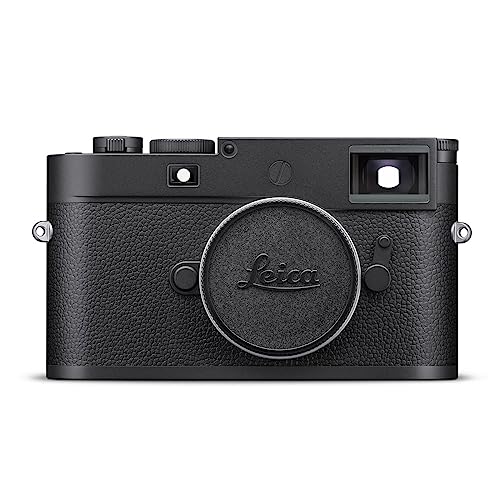
Leica M11 Monochrom Digital Rangefinder Camera, Black
Check price on Amazon
IFWATER Ultra High Frame Rate Monochrome Global Shutter Camera,1280x800 120fps USB2.0 Webcam, Max 640fps 5-50mm 10X Manual Zoom Lens,Plug & Play for Raspberry Pi PC Laptop Industrial Motion Capture
Check price on Amazon