
Outdoor Security Camera with Flood Lights: The Complete Guide to Protecting Your Property
When it comes to protecting your home or business, an outdoor security camera with flood lights is one of the most effective deterrents against intruders. Combining high-definition video surveillance with powerful motion-activated lighting, these dual-purpose devices give you the ability to see, record, and scare off potential threats — all from a single unit.
In this comprehensive guide, we will walk you through everything you need to know before purchasing a floodlight security camera, from understanding key features and installation requirements to comparing the best options on the market for different budgets and needs.
Quick Tip: If you are specifically looking for models that work without a monthly subscription, you may also want to explore our guide to the best outdoor security camera with no subscription to avoid ongoing costs.
What Is an Outdoor Security Camera with Flood Lights?
An outdoor security camera with flood lights — often called a floodlight camera — is a hybrid device that combines a traditional security camera with a motion-activated floodlight. When the built-in motion sensor detects movement, the floodlights illuminate the area while the camera simultaneously begins recording video and sends an alert to your smartphone or monitoring hub.
This combination offers several advantages over standalone cameras. First, the bright light acts as a powerful visual deterrent, making intruders think twice before approaching your property. Second, the illumination significantly improves video quality at night, allowing the camera to capture clear, color footage even in low-light conditions. Finally, having a single integrated unit simplifies installation and reduces the number of devices you need to manage.
For homeowners who want comprehensive coverage of driveways, backyards, entryways, or parking areas, a floodlight camera is often the most practical and cost-effective solution. If you prefer a more traditional setup without the integrated lighting, you might consider a standalone outdoor security camera paired with separate motion lights.
Key Features to Look For in a Floodlight Camera
Not all floodlight cameras are created equal. Before making a purchase, it is important to understand the features that will most affect your experience and the level of protection you receive.
Video Resolution
Look for at least 1080p Full HD. For the best detail and facial recognition, 2K or 4K resolution is ideal. Higher resolution means clearer evidence if an incident occurs.
Field of View
A wide field of view (130° or more) reduces blind spots. Some cameras offer 160° or even 180°, covering more area with fewer devices.
Night Vision
Infrared or color night vision allows the camera to see in complete darkness. Color night vision provides more useful detail than traditional black-and-white IR.
Motion Detection
Advanced PIR (passive infrared) sensors reduce false alerts. Look for customizable motion zones and sensitivity settings to focus on important areas.
Floodlight Brightness
Measured in lumens, brightness typically ranges from 1,000 to 4,000 lumens. Brighter lights provide better deterrence and illumination for color night vision.
Two-Way Audio
A built-in microphone and speaker let you communicate with visitors or warn off intruders directly from your phone. See our guide to security cameras with 2-way audio for more details.
Storage Options
Local storage (microSD card or NVR) vs. cloud storage. Local storage avoids monthly fees, while cloud storage offers backup and remote access.
Power Source
Hardwired models are reliable but require professional installation. Battery-powered or solar-powered options offer more flexibility in placement.
Wired vs. Battery-Powered vs. Solar Floodlight Cameras
One of the first decisions you will need to make is how your floodlight camera will be powered. Each option has distinct advantages and trade-offs.
Hardwired Floodlight Cameras
Hardwired models connect directly to your home's electrical system. They provide continuous power, meaning you never have to worry about recharging batteries or losing coverage. They also tend to offer brighter floodlights and more consistent performance. However, installation typically requires an electrician or existing wiring, which can increase upfront costs. If you already have an outdoor light fixture where you want to mount the camera, a hardwired model is often the easiest and most reliable choice.
Battery-Powered Floodlight Cameras
Battery-powered floodlight cameras offer installation flexibility since they don't require any wiring. You can mount them almost anywhere, provided you have a strong Wi-Fi signal. The main drawback is that you will need to recharge the batteries periodically — typically every few weeks to a few months, depending on usage and motion events. For locations where wiring is impractical, a battery-powered wireless outdoor camera with an integrated floodlight is an excellent alternative.
Solar-Powered Floodlight Cameras
Solar-powered models use a small solar panel to keep the internal battery charged, eliminating the need for manual recharging or wiring. They are ideal for remote locations or areas with plenty of direct sunlight. However, performance can be reduced during extended periods of cloudy weather. If you are considering this option, read our detailed solar-powered outdoor security camera reviews to find the best models for your climate.
How to Choose the Right Floodlight Camera for Your Property
Selecting the perfect outdoor security camera with flood lights depends on several factors specific to your property and security needs.
1. Identify Your Coverage Areas
Walk around your property and identify the areas most vulnerable to intrusion. Common locations include driveways, back doors, side gates, and dark corners. For each area, consider the distance you need to cover and whether a single wide-angle camera will suffice or if multiple units are needed.
2. Assess Your Lighting Requirements
If your property is already well-lit at night, you may not need extremely bright floodlights. However, for dark areas, choose a model with at least 2,000 lumens. Keep in mind that brighter lights consume more power and may be more noticeable to neighbors.
3. Consider Your Wi-Fi and Power Availability
Check the strength of your Wi-Fi signal in the areas where you plan to install cameras. Most floodlight cameras require a stable 2.4GHz connection. If Wi-Fi is weak, you may need a range extender or consider a model that supports local storage without relying on the internet. For situations where internet access is unreliable, explore our guide to security cameras without internet.
4. Decide on Storage and Subscription
Many floodlight cameras offer free local storage via microSD card, while others require a subscription for cloud recording. If you want to avoid monthly fees, look for models that support local storage or choose a system that does not require a subscription. You can find more options in our article on security cameras without subscription.
5. Check Smart Home Compatibility
If you use a smart home ecosystem like Amazon Alexa, Google Assistant, or Apple HomeKit, ensure the camera you choose integrates with your system. This allows you to view live feeds on smart displays and receive voice alerts.
Top Use Cases for Floodlight Security Cameras
Floodlight cameras are versatile and can be used in a variety of residential and commercial settings. Here are some of the most common applications:
- Driveways and Garages: Illuminate and monitor vehicles and entry points. A floodlight camera can capture license plates and faces while deterring thieves.
- Backyards and Patios: Protect outdoor living spaces and pool areas. Motion-activated lights can also help you see pets or wildlife at night.
- Front Entrances and Porches: Combine with a video doorbell camera for comprehensive front-door coverage. Floodlights ensure visitors are well-lit for identification.
- Parking Lots and Commercial Properties: For businesses, a heavy-duty parking lot camera with floodlights can deter vandalism and theft after hours.
- Warehouses and Storage Areas: Secure large outdoor areas with high-lumen floodlight cameras. See our warehouse security guide for more tips.
Installation Tips for Floodlight Cameras
Proper installation is crucial for optimal performance. Here are some key considerations:
- Height Matters: Mount cameras 8–10 feet above the ground. This height provides a good viewing angle and makes it difficult for intruders to tamper with the device.
- Avoid Direct Sunlight: Position the camera so it is not facing directly into the sun, which can cause glare and washed-out images.
- Angle for Facial Recognition: Aim the camera slightly downward so it captures faces, not just the tops of heads.
- Test Motion Detection: After installation, walk around the coverage area to test motion detection zones and adjust sensitivity as needed.
- Secure the Wiring: For hardwired models, ensure all wiring is properly secured and protected from the elements. If you are not comfortable working with electrical wiring, hire a professional.
For more general installation guidance and accessories, visit our camera setup and accessories hub.
Maintenance and Care for Outdoor Security Cameras
To ensure your floodlight camera continues to perform well over time, regular maintenance is essential. Clean the lens and motion sensor periodically with a soft, dry cloth to remove dust and spiderwebs. Check the floodlight housing for dirt or insect nests, especially around the light panels. In colder climates, ensure that snow and ice do not block the camera's view or the motion sensor.
For battery-powered models, monitor the battery level through the companion app and recharge or replace batteries as needed. If your camera supports firmware updates, keep it updated to benefit from security patches and new features. For more detailed maintenance advice, read our camera repair guide.
Comparison of Floodlight Camera Types
| Feature | Hardwired | Battery-Powered | Solar-Powered |
|---|---|---|---|
| Power Source | Home electrical wiring | Rechargeable battery | Solar panel + battery |
| Installation | Professional recommended | DIY-friendly | DIY-friendly |
| Continuous Power | Yes | No (recharge needed) | Yes (with sufficient sunlight) |
| Best For | Driveways, entryways | Rentals, remote areas | Sunny locations, off-grid |
| Price Range | $150–$400 | $100–$300 | $120–$350 |
* Prices are approximate and may vary based on brand, features, and retailer.
Common Mistakes to Avoid When Buying a Floodlight Camera
Many buyers make avoidable mistakes that lead to disappointment. Here are some of the most common pitfalls:
- Ignoring the Wi-Fi Signal: A weak Wi-Fi signal will cause laggy video and missed alerts. Always check signal strength at the installation location before buying.
- Underestimating Storage Needs: If you plan to record continuously or save weeks of footage, cloud storage or a large local storage solution is necessary. Many cameras only include a small microSD card or limited free cloud storage.
- Overlooking Subscription Costs: Some features, such as person detection or cloud recording, may require a monthly subscription. If you want to avoid ongoing costs, choose a model that offers these features locally. See our guide to security cameras without subscription for recommendations.
- Choosing the Wrong Field of View: A narrow field of view creates blind spots. For large areas, consider a camera with a wide field of view or multiple cameras.
- Not Checking Local Regulations: Some areas have restrictions on floodlight brightness or camera placement. Check local ordinances before installation.
Frequently Asked Questions
Not necessarily. Many floodlight cameras support local storage via microSD card, which allows you to record and review footage without a monthly fee. However, some advanced features like cloud backup or AI-powered person detection may require a subscription. If avoiding subscriptions is important to you, look for models that explicitly offer local storage and no mandatory cloud plans. You can also explore our list of best outdoor security cameras with no subscription.
Yes, many battery-powered and solar-powered floodlight cameras are designed for DIY installation. Hardwired models may require basic electrical knowledge and are best installed by a professional if you are not comfortable working with wiring. Always follow the manufacturer's instructions and local electrical codes.
For most residential applications, a brightness of 2,000 to 3,000 lumens is sufficient to illuminate a driveway or backyard. If you need to cover a larger area or want maximum deterrence, consider models with 4,000 lumens or more. Keep in mind that brighter lights consume more power and may be subject to local light pollution regulations.
At minimum, choose 1080p Full HD. For better detail, especially for identifying faces and license plates, 2K or 4K resolution is recommended. Higher resolution also produces larger video files, so consider your storage capacity and internet bandwidth.
Some models can record to a local microSD card without Wi-Fi, but you will not be able to view live footage or receive alerts remotely. If you need a camera that operates completely without internet, look for models that support local recording and cellular connectivity. See our guide to security cameras without WiFi for more information.
Adjust the motion sensitivity and set up activity zones in the camera's companion app. Position the camera away from busy streets, swaying trees, or heat sources. Some advanced models use AI to distinguish between people, animals, and vehicles, which greatly reduces false alerts.
Final Thoughts: Choosing the Best Floodlight Camera for Your Home
An outdoor security camera with flood lights is a powerful addition to any home security system. It not only captures clear video evidence but also actively deters intruders with sudden, bright illumination. When choosing a model, prioritize resolution, night vision quality, motion detection accuracy, and storage options that fit your budget and preferences.
Whether you choose a hardwired, battery-powered, or solar-powered model, the key is to select a camera that meets your specific coverage needs and integrates smoothly with your daily routine. With the right floodlight camera, you can enjoy peace of mind knowing your property is protected day and night.
For more security camera guides and reviews, explore our security cameras hub and related articles on wireless outdoor security cameras and home security cameras with night vision.
Best Outdoor Security Cameras with Flood Lights
⚠️ AFFILIATE DISCLOSURE: This website contains affiliate links. As an affiliate Associate, we earn from qualifying purchases. If you make a purchase through these links, we may receive a small commission at no additional cost to you. Read our full affiliate policy.

SZPOWER 2K Floodlight Camera, 3000K Hardwired Smart Security Camera Outdoor
Check price on Amazon
Ring Floodlight Cam Wired Plus, Outdoor Home or Business Security with Motion-Activated 1080p HD Video and Floodlights, White
Check price on Amazon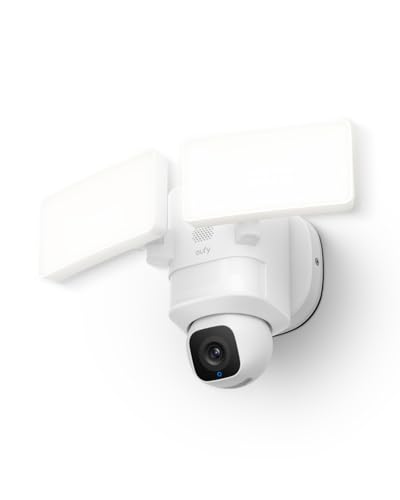
eufy Security Floodlight Camera E30, 2K, AI Detection & Tracking, Outdoor | 360° Coverage, Pan & Tilt, 2000 Lumens, Built-in Siren, 24/7 Recording, 2.4GHz Wi-Fi, No Monthly Fee
Check price on Amazon
Blink Wired Floodlight Camera, Smart security camera, 2600 lumens, HD live view, enhanced motion detection, built-in siren, Works with Alexa, 1 camera (White)
Check price on Amazon
eufy Security Floodlight Camera E340, Dual-Lens, 360° Coverage, 8X Zoom | Pan & Tilt, AI Detection & Tracking, 24/7 Recording, 2000 LM, Dual-Band Wi-Fi 6, No Monthly Fee, Wired Outdoor
Check price on Amazon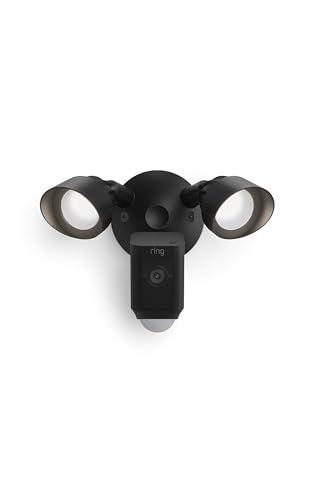
Ring Floodlight Cam Wired Plus, Outdoor Home or Business Security with Motion-Activated 1080p HD Video and Floodlights, Black
Check price on Amazon
Olafus Floodlight Camera Outdoor – 2K QHD Security Cam with Motion-Activated Flood Lights, Custom Detection Zones, Color Night Vision, 2-Way Talk & 55W Dimmable Lighting White
Check price on Amazon