
Outdoor Surveillance Cameras Without WiFi: The Complete Guide
Discover how to secure your property with reliable outdoor cameras that work without internet. Battery-powered, cellular, and local storage solutions for every budget.
VIEW TOP PICKSWhy go WiFi-free? Outdoor surveillance cameras without WiFi offer a powerful advantage: they keep working when your internet goes down, they're harder for hackers to access, and they can be installed in remote locations where no network reaches. Whether you're protecting a rural property, a construction site, or simply want a backup that doesn't rely on your home network, a no-WiFi camera is a smart choice.
How Do Outdoor Cameras Work Without WiFi?
Unlike traditional WiFi cameras that stream footage to the cloud, outdoor surveillance cameras without WiFi use alternative methods to capture, store, and transmit video. Understanding these methods is key to choosing the right one for your needs.
Cellular (4G/LTE) Connectivity
These cameras use a SIM card to connect to mobile networks, just like your smartphone. They can stream live video and send alerts from virtually anywhere with cellular coverage—no WiFi or router needed. Ideal for remote locations, farms, and construction sites.
Local Storage (SD Card or DVR)
Footage is recorded directly to a built-in SD card or a local DVR/NVR system. You can review recordings by physically accessing the device or connecting via a local network. This method offers complete privacy and no monthly fees.
Battery-Powered with Sync Module
Some cameras use a proprietary wireless signal to communicate with a local sync module that stores footage. The module may connect to your router, but the camera itself doesn't need WiFi. This is a popular choice for renters and easy DIY installations.
Hardwired Analog or PoE
Wired cameras transmit video through coaxial or Ethernet cables to a DVR/NVR. They don't rely on WiFi at all. Power over Ethernet (PoE) simplifies installation by delivering both power and data through a single cable.
Key Features to Consider
When shopping for a no-WiFi outdoor camera, focus on these critical specifications to ensure you get the performance and reliability you need.
- Resolution: Look for at least 1080p Full HD. For capturing license plates or facial details, 2K or 4K is better. Higher resolution means more storage consumption, so balance quality with capacity.
- Night Vision: Infrared (IR) LEDs provide black-and-white night vision up to 30 feet. Color night vision models use a spotlight or advanced sensor for clearer nighttime images.
- Battery Life: Battery-powered cameras can last from 3 months to over a year, depending on usage and settings. Look for models with large batteries or solar panel compatibility.
- Local Storage: Check the maximum SD card capacity (often 128GB or 256GB). Some cameras support local network storage or come with a base station that includes a hard drive.
- Weather Resistance: An IP65 or IP66 rating ensures the camera can withstand rain, dust, and extreme temperatures. IP67 offers even better protection for harsh environments.
- Motion Detection: PIR (Passive Infrared) sensors are more accurate than pixel-based detection and help reduce false alerts from moving trees or shadows.
- Two-Way Audio: A built-in microphone and speaker let you communicate with visitors or deter intruders remotely.
- App Control: Even without WiFi, many cameras offer Bluetooth setup and local app access. Cellular models let you control the camera from anywhere via the mobile network.
Comparison: WiFi vs. No-WiFi Cameras
Here's a quick breakdown of how WiFi-free cameras stack up against traditional WiFi models.
| Feature | WiFi Camera | No-WiFi Camera |
|---|---|---|
| Internet Dependency | Requires stable WiFi | Works without internet |
| Remote Access | Yes, via cloud | Cellular: Yes; Local: No (or via local network) |
| Installation | Easy, but needs good signal | Flexible; can be installed anywhere |
| Monthly Fees | Often required for cloud storage | None (local storage) or cellular plan |
| Security | Vulnerable to hacking if not secured | More secure; no internet exposure |
| Best For | Urban homes with reliable WiFi | Remote areas, rentals, off-grid properties |
Pros and Cons of WiFi-Free Outdoor Cameras
Advantages
- Works during internet outages
- No monthly cloud storage fees
- Harder for hackers to access
- Can be installed in remote locations
- No bandwidth consumption on your home network
- Complete privacy with local storage
Limitations
- Cellular models require a data plan
- Local storage requires physical access to retrieve footage
- Remote viewing may be limited without cellular
- Battery-powered models need periodic recharging
- Initial setup can be more involved
- Fewer cloud-based AI features
Our Top Picks for Outdoor Surveillance Cameras Without WiFi: We've tested and researched the best models available. Whether you need a cellular camera for a remote job site, a battery-powered option for easy installation, or a hardwired system for maximum reliability, there's a solution for you. Check out our recommended products below.
Recommended Outdoor Surveillance Cameras Without WiFi
⚠️ AFFILIATE DISCLOSURE: This website contains affiliate links. As an affiliate Associate, we earn from qualifying purchases. If you make a purchase through these links, we may receive a small commission at no additional cost to you. Read our full affiliate policy.

ELYSOO No WiFi Security Camera Outdoor, Always-on Video, 4MP 360° Full View | 4G LTE Cellular Security Camera Solar, Built-in SIM Card, 24/7 Recording, Color Night Vision, Instant Alerts for Remote Areas
Check price on Amazon
LIWAN 4G LTE Cellular Security Cameras, No WiFi Needed, 2K Off-Grid Cam | Solar Camera Outdoor Wireless, 2K Color Night Vision, IP66, 360° PTZ View for Farm, Ranch, Remote Property, Built in SIM Card
Check price on Amazon
SEHMUA 2K 4G LTE Cellular Solar Security Camera Wireless Outdoor | Easy to Install with One-Press Quick Release Latch, No WiFi Security Cam, Color Night Vision, PIR Alarm, IP65 Weatherproof
Check price on Amazon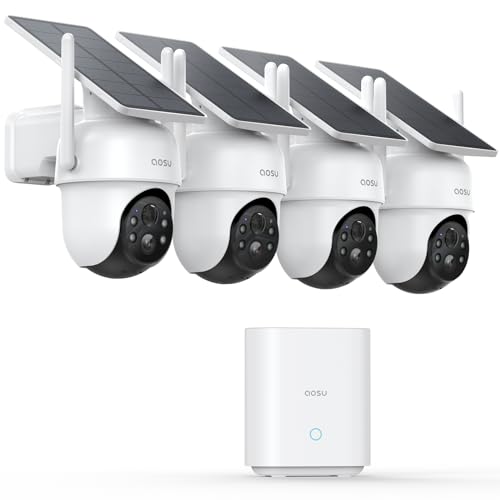
aosu D1 Classic 4-Cam Kit, Security Cameras Wireless Outdoor, Solar Powered | No Subscription Required, 32GB Built-in Storage, 360° Auto Tracking, 2K (3MP) Full-Color Night Vision, Easy Install
Check price on Amazon
2026 Enhanced 2K UHD Security Cameras Wireless Outdoor – Free Cloud & SD Storage, Dual-Band WiFi 2.4G/5G, Full-Color Night Vision, 6-Month Battery, Motion Alerts, IP66 Weatherproof, 2-Way Talk
Check price on Amazon
2026 Upgraded 2K Security Cameras Wireless Outdoor, Free Cloud Storage, 1-6 Months Battery Life, Waterproof, 2-Way Talk, AI Motion Detection Spotlight Siren Alarm Cameras for Home Security
Check price on Amazon
4G LTE Cellular Solar Security Cameras Wireless Outdoor, Built in SIM Card | No Wi-Fi 2K Camera, 24/7 Recording, Color Night Vision, 360°Pan Tilt, 2-Way Audio, AI Motion Detection, Ultra Solar Panel
Check price on AmazonInstallation Tips for WiFi-Free Cameras
Proper installation ensures your camera performs reliably and lasts for years. Follow these guidelines for the best results:
- Choose the Right Location: Mount cameras 8–10 feet high for optimal viewing angles. Avoid pointing directly at the sun or bright lights, which can cause glare and false triggers.
- Optimize Battery Life: Place cameras in areas with less foot traffic to reduce wake-ups. Use activity zones to focus on important areas and extend battery life.
- Secure the Camera: Use tamper-resistant mounts and place cameras out of easy reach. Consider a camera with a siren or spotlight to deter intruders.
- Test Before Final Mounting: Check the field of view, night vision range, and motion detection sensitivity before permanently mounting the camera.
- Weatherproof Connections: Use dielectric grease on connections and ensure all cables are protected from water ingress. Seal any gaps with silicone caulk.
- Plan for Power: If using a battery-powered camera, consider a solar panel to keep it charged. For hardwired cameras, ensure cables are long enough and protected from the elements.
Frequently Asked Questions
Yes, absolutely. Outdoor cameras can work without WiFi using cellular (4G/LTE) connectivity, local SD card storage, or a wired connection to a DVR/NVR. These options allow you to monitor your property without relying on a home internet connection. Cellular cameras are ideal for remote locations, while local storage cameras offer complete privacy and no monthly fees.
If you choose a cellular camera, you can view footage remotely through the manufacturer's app using the mobile network—no WiFi needed. For local storage cameras, remote viewing typically requires the camera to be connected to a local network or you can physically access the SD card. Some systems offer a hybrid approach: local storage with optional cellular or WiFi connectivity for remote access.
Yes, modern battery-powered cameras are highly reliable. Battery life varies from 3 months to over a year depending on usage, motion events, and settings. Many models support solar panels for continuous charging, making them virtually maintenance-free. For high-traffic areas, consider a wired or cellular camera with a continuous power source.
Not necessarily. Cameras with local SD card storage typically don't require a subscription—you just buy the SD card and you're set. Cellular cameras require a data plan (usually $10–$20 per month) to transmit video. Some brands offer optional cloud storage plans, but they're not mandatory for basic operation.
For remote locations, a cellular trail camera or a 4G LTE security camera is your best bet. These cameras use mobile networks to send alerts and footage to your phone. Look for models with solar panel compatibility, high-resolution sensors, and robust weatherproofing (IP66 or higher). Trail cameras are excellent for wildlife monitoring, while cellular security cameras are designed for property surveillance.
Yes, many wired cameras are designed to work with DVR or NVR systems. If you already have a DVR, look for cameras that support the same video format (e.g., analog, HD-TVI, or IP). PoE cameras require an NVR with PoE ports or a separate PoE injector. Always check compatibility before purchasing.
Final Thoughts
Outdoor surveillance cameras without WiFi offer a reliable, secure, and flexible way to protect your property. Whether you choose a cellular model for remote monitoring, a battery-powered camera for easy installation, or a hardwired system for maximum reliability, there's a solution that fits your needs and budget.
When selecting a camera, prioritize resolution, night vision, weather resistance, and storage options. Consider your installation environment and whether you need remote access. With the right camera, you can enjoy peace of mind knowing your property is protected—even without an internet connection.
Ready to find your perfect no-WiFi camera? Check out our top recommendations above and take the first step toward a more secure property today.
Ready to Secure Your Property?
Explore our top-rated outdoor surveillance cameras without WiFi and find the perfect solution for your home or business.
SHOP NOW