
Reverse Camera for Car: Complete Buying Guide
Everything you need to know before buying a backup camera for your vehicle. Compare types, features, installation options, and find the perfect reverse camera for safer parking and driving.
VIEW RECOMMENDED MODELSWhy Trust This Guide: A reverse camera is one of the most effective safety upgrades you can add to any vehicle. Whether you drive a compact car, SUV, or truck, the right backup camera eliminates blind spots and makes parking effortless. This guide covers everything from camera types and display options to wiring and night vision performance.
Recommended Reverse Cameras for Car
⚠️ AFFILIATE DISCLOSURE: This website contains affiliate links. As an affiliate Associate, we earn from qualifying purchases. If you make a purchase through these links, we may receive a small commission at no additional cost to you. Read our full affiliate policy.
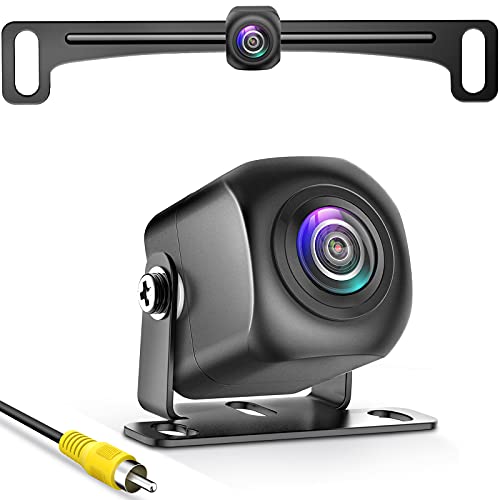
PixelMan Backup Camera,AHD 1080P Metal 170 Degree Wide Angle Rearview Reversing Camera,PMD2A-S Clear Night Vision IP69 Waterproof Reverse Rear View Camera for Car Vehicle SUV RV
Check price on Amazon
HD 1080P Backup Camera Plug & Play: Fast 60FPS Smooth Real-Time Clear View | 25-Minute Easy to Install, Monitor Easy Setup, Bright and Clear Night Vision, Dustproof & Weatherproof for Cars Trucks SUVs
Check price on Amazon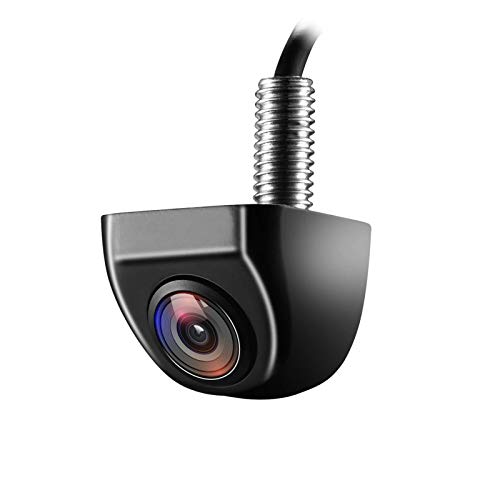
NATIKA Backup/Front View Camera,IP69K Waterproof Great Night Vision HD and Super Wide Angle Metal OEM Style Reverse Rear View Backup Camera for Cars Pickup Trucks SUVs RVs Vans (Black)
Check price on Amazon
WOLFBOX G840S 12" 4K Mirror Dash Cam Backup Camera with 32GB Card and GPS | 5.8GHz WiFi Smart Rearview Mirror for Cars & Trucks, Front and Rear View Dual Cameras, Night Vision, Parking Assistance
Check price on Amazon
9" Wireless CarPlay Screen with Apple Car Play & Android Auto for Car, OTA Updates, Backup Camera, Bluetooth 5.0, Mirror Link, Voice Control, GPS Navigation, FM, AUX
Check price on Amazon
ROVE R2-4K Dual Dash Cam Front and Rear, STARVIS 2 Sensor, Free 128GB Card | 4K Upscaled Front + FHD Rear Recording, 5.8GHz WiFi, 20MB/s Download Speed, App, GPS, 3" IPS, 24Hr Parking Mode, Night Vision
Check price on Amazon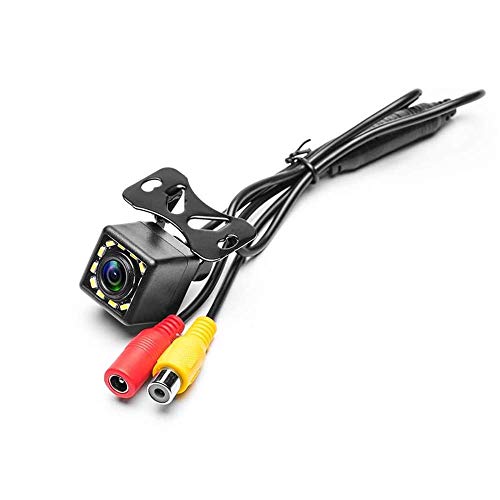
Camecho Vehicle Backup Camera Waterproof Car Rear View Camera 170° Wide Angle 12 LED Night Visions Backup Reversing Parking Cameras
Check price on Amazon
2K Backup Camera Kit, 7 Inch Monitor, Wired Zero-Lag, Night Vision
Check price on AmazonWhat Is a Reverse Camera for Car and Why Do You Need One?
A reverse camera for car (also called a backup camera or rearview camera) is a specialized video camera mounted at the rear of your vehicle. It transmits a live video feed to a display screen inside the cabin, showing you exactly what is behind your car when you shift into reverse. This technology has become standard on many new vehicles, but millions of older cars, trucks, and SUVs on the road today still lack this critical safety feature.
The primary benefit is simple: eliminating the rear blind spot. Every vehicle has an area behind it that cannot be seen through mirrors alone. For larger vehicles like SUVs and trucks, this blind zone can extend over 15 feet. Children, pets, pedestrians, and obstacles like bikes and toys can easily disappear into this space. A backup camera provides a clear, wide-angle view of everything behind you, dramatically reducing the risk of accidents.
Installing an aftermarket reverse camera is one of the most affordable safety upgrades available. Whether you choose a simple license plate camera or a comprehensive 360 vehicle camera system, the investment pays for itself in peace of mind and accident prevention.
Types of Reverse Cameras for Cars
1. License Plate Mount Cameras
These are the most popular and easiest to install. The camera is integrated into a replacement license plate frame or mounts directly above your existing plate. They require no drilling and typically come with adjustable angles to fine-tune your view. Most connect to a display screen or your car's existing infotainment system.
Best for: Quick installation, lease vehicles, and anyone who wants a clean, factory-like appearance. Prices range from $30–$150.
2. Flush Mount / Bumper Mount Cameras
These cameras require drilling a small hole into your bumper or body panel for a permanent, integrated look. They offer the cleanest installation and are less likely to be damaged or stolen. Many luxury and OEM cameras use this style.
Best for: Permanent installations where appearance matters. Requires moderate DIY skill or professional installation. Prices range from $50–$250.
3. Wireless Backup Cameras
Wireless systems eliminate the need to run cables from the rear of the car to the front. The camera transmits video to a display via a wireless signal. However, they still require a power connection at the rear (usually tapping into the reverse light).
Best for: Vehicles where running cables is difficult, like older cars or lease vehicles. Be aware that signal interference and lag can sometimes be issues. Prices range from $80–$300.
4. Mirror-Mounted Backup Cameras
This type replaces your existing rearview mirror with a unit that includes a built-in display. When you shift into reverse, the mirror's surface transforms into a video screen. Some models also offer a continuous rearview feed while driving.
Best for: A clean, clutter-free installation without adding a separate screen to your dashboard. Prices range from $60–$250.
Key Features to Evaluate Before Buying
Resolution & Clarity
720p is the minimum for a usable image. 1080p (Full HD) is now the standard and highly recommended for clear details. 4K options exist but are overkill for most backup camera applications and cost significantly more.
Night Vision
Critical for safety. Look for cameras with infrared (IR) LEDs or excellent low-light sensitivity. A camera that performs poorly at night is nearly useless for its primary purpose.
Field of View (FOV)
A wide-angle lens is essential. Aim for 120° to 170° to capture a broad view and eliminate blind spots. However, extremely wide lenses (180°+) can cause distortion at the edges.
Waterproof Rating
The camera lives outside your car, exposed to rain, snow, and road grime. Look for an IP68 or IP69K rating, which guarantees protection against dust and water immersion.
Display Compatibility
Will it connect to your existing factory screen, an aftermarket head unit, a dedicated monitor, or a rearview mirror? Check the video input type (RCA, 4-pin, etc.) before purchasing.
Guidelines & Grid Lines
Many cameras overlay parking guidelines to help you judge distance. Some offer adjustable or dynamic guidelines that move with your steering wheel angle for even more precision.
Reverse Camera Types Compared
| Feature | License Plate Mount | Flush Mount | Wireless | Mirror-Mounted |
|---|---|---|---|---|
| Installation Difficulty | Easy | Moderate | Easy | Easy to Moderate |
| Appearance | Good | Excellent (OEM-like) | Good | Excellent |
| Reliability | High | High | Moderate (signal issues) | High |
| Typical Price | $30–$150 | $50–$250 | $80–$300 | $60–$250 |
| Best For | DIY installs | Permanent solutions | Difficult wiring | Clutter-free cabins |
Installation Overview: What to Expect
Wired Installation (Most Common)
A standard wired reverse camera installation involves four main steps:
- Mount the camera: Position it at the rear of the vehicle, typically above the license plate or on the bumper.
- Connect power: Tap the camera's power wire into your reverse light circuit. This ensures the camera only activates when you shift into reverse.
- Run the video cable: Route the video cable from the camera to your display, usually along the floor trim or headliner.
- Connect the display: Plug the video cable into your monitor or head unit's video input.
For a detailed look at mounting and stabilizing camera equipment in vehicles, see our guide on camera stabilizers.
Wireless Installation (Simplified)
Wireless systems still require power at the camera (usually from the reverse light), but eliminate the long video cable run. The transmitter sends the signal to a receiver connected to your display. This is ideal for vehicles where interior panels are difficult to remove or when you want to avoid modifying your car's interior.
If you are interested in monitoring your car even when parked, you might also consider a dedicated car security camera that runs continuously.
Additional Features Worth Considering
Parking Sensors vs. Cameras
Some systems combine a reverse camera with ultrasonic parking sensors. Sensors beep faster as you approach an obstacle, while the camera shows you what is there. Together, they provide the most comprehensive parking assistance. If you want a complete view around your vehicle, a 360 degree camera for car system is the ultimate solution.
Recording Capability
Some backup cameras can record video, acting as a rear-facing dash cam. This can be valuable in the event of a rear-end collision or parking lot incident. If recording is important to you, look for a system with a built-in DVR or memory card slot. For front-facing recording with GPS, consider a dedicated dash cam with GPS.
Monitor Options
If your car lacks a factory screen, you will need a standalone monitor. These are available in various sizes (typically 4.3" to 7") and can be mounted on the dashboard or windshield. Some monitors double as GPS navigation units or media players. A phone camera mount is not a substitute for a dedicated backup monitor, as phone screens are not designed for continuous video input from a backup camera.
Frequently Asked Questions
Yes, most license plate and wireless models are designed for DIY installation. You will need basic tools and some patience for routing wires. Flush mount cameras require drilling, which some DIYers prefer to avoid. If you are uncomfortable with electrical work, professional installation is affordable and ensures a clean result.
Yes, but quality varies significantly. Look for cameras with IR (infrared) LEDs or excellent low-light sensitivity. A camera without night vision will show a dark, noisy image in low light, defeating the purpose of the safety feature. Always check reviews for real-world night performance.
It depends on your vehicle. Many factory head units have a video input for a backup camera, even if the feature was not originally equipped. You may need a specific adapter harness for your car make and model. Aftermarket head units almost always support backup camera input via RCA.
Aim the camera slightly downward so you can see your rear bumper and the ground immediately behind it. This helps you judge distance accurately. A 120° to 170° field of view is ideal. Test and adjust the angle before finalizing the installation.
Modern wireless systems are generally reliable, but they can experience signal interference in dense urban environments or inside vehicles with a lot of metal. Wired systems are always more stable. If you choose wireless, opt for a system with a strong transmitter and check reviews for your specific vehicle type.
A reliable, high-quality backup camera with good night vision and a clear image typically costs between $50–$150 for the camera alone. Complete systems with a monitor range from $80–$300. Premium OEM-integrated solutions or 360-degree systems can cost $300–$1,000+.
Final Thoughts: Choosing the Right Reverse Camera
A reverse camera for car is one of the smartest safety investments you can make. It protects your vehicle, your passengers, and those around you. When choosing, prioritize image clarity, night vision performance, and build quality over extra features you may not need. A simple, well-made 1080p camera with good low-light capability will outperform a feature-packed budget model every time.
Consider your installation preferences and display options before buying. If you want the cleanest look and are comfortable with DIY wiring, a wired license plate or flush mount system is ideal. If you want simplicity and your car has difficult interior panels, a wireless system may be the better choice. And if you want the ultimate in vehicle awareness, explore a full 360 vehicle camera system.
Whichever option you choose, the peace of mind that comes with seeing clearly behind your vehicle is invaluable.