
Affordable Camera for Wildlife Photography
Capture stunning wildlife moments without breaking the bank. Discover budget-friendly cameras with the speed, reach, and reliability you need to photograph birds, mammals, and more.
SEE TOP PICKSWhy an Affordable Camera Can Still Deliver Great Wildlife Shots: Wildlife photography is often associated with expensive professional gear, but you don't need to spend thousands to get started. Modern entry-level and mid-range cameras offer impressive autofocus systems, good low-light performance, and compatibility with affordable telephoto lenses. Whether you're photographing backyard birds or safari animals, the right budget camera can help you capture sharp, detailed images.
What to Look for in a Budget Wildlife Camera
When choosing an affordable camera for wildlife photography, prioritize these key features to get the best value for your money:
- Fast and Accurate Autofocus: Wildlife moves quickly, so you need a camera with reliable continuous autofocus and subject tracking. Look for models with phase-detection AF or advanced contrast-detection systems. If you're also considering a point-and-shoot camera for wildlife photography, check its burst rate and AF capabilities.
- Telephoto Reach: You'll often be far from your subject, so a camera that accepts telephoto lenses or has a long built-in zoom is essential. Interchangeable-lens cameras offer more flexibility. For beginners who want versatility, a mirrorless digital camera for beginners can be a great starting point.
- Good High-ISO Performance: Wildlife is most active at dawn and dusk, so your camera should handle low light well. A larger sensor (APS-C or full-frame) generally performs better than a small compact sensor. If you're on a tight budget, a budget-friendly camera for photography with a decent sensor can still work.
- Weather Sealing: Outdoor conditions can be unpredictable. While not always available at the budget end, some entry-level cameras offer basic weather resistance. Always protect your gear with rain covers if needed.
- Burst Shooting: A high continuous shooting rate (at least 5-7 fps) helps you capture the perfect moment, especially with moving animals. Many affordable cameras now offer 8-10 fps, which is excellent for wildlife.
- Ergonomics and Controls: You'll be holding your camera for extended periods, so comfortable handling and easy access to controls are important. A camera that feels good in your hands will make your wildlife adventures more enjoyable.
Best Affordable Camera Types for Wildlife Photography
There are several camera categories that offer great value for wildlife enthusiasts. Here's a breakdown of your options:
| Camera Type | Price Range | Pros | Cons |
|---|---|---|---|
| Entry-Level DSLR | $400–$800 | Excellent battery life, wide lens selection, affordable used options | Bulkier, older technology, limited video features |
| Entry-Level Mirrorless | $500–$1,000 | Compact, fast autofocus, good video, growing lens ecosystem | Battery life shorter than DSLR, limited native telephoto lenses at budget end |
| Advanced Compact (Bridge) | $400–$700 | Built-in superzoom, all-in-one convenience, lightweight | Small sensor, limited low-light performance, no interchangeable lenses |
| Used Mid-Range DSLR/Mirrorless | $300–$600 | Better features for the price, pro-level autofocus, robust build | No warranty, potential wear, older models |
Pro Tip: Don't overlook the used market. A gently used mid-range camera from a few years ago can outperform a new entry-level model and save you hundreds of dollars. Just be sure to buy from reputable sellers and check shutter count.
Recommended Affordable Cameras for Wildlife Photography
⚠️ AFFILIATE DISCLOSURE: This website contains affiliate links. As an affiliate Associate, we earn from qualifying purchases. If you make a purchase through these links, we may receive a small commission at no additional cost to you. Read our full affiliate policy.
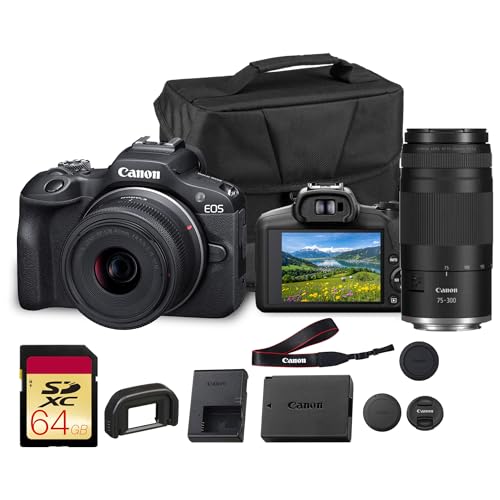
Canon EOS R100 Mirrorless Camera with 18-45mm & 75-300mm Double Lens Bundle | For Photography & Video | 24.2MP APS-C Mirrorless Camera | 4K Video | Dual Pixel Autofocus + 64GB Memory Card + Camera Bag
Check price on Amazon
KODAK PIXPRO AZ255 16MP Digital Camera, 25x Optical Zoom, AA, OIS, White | 1080p Full HD Video, 24mm Wide Angle Lens, 3 Inch LCD, Bridge Camera, Wildlife and Travel Photography, SD Card
Check price on Amazon
KODAK PIXPRO AZ405 20MP Digital Camera, 40x Optical Zoom, AA, OIS, Black | 1080p Full HD Video, 24mm Wide Angle Lens, 3 Inch LCD, Bridge Camera, Scene Detection, Travel and Wildlife
Check price on Amazon
KODAK PIXPRO AZ425 20MP Digital Camera, 42x Optical Zoom, OIS, Black | 1080p Full HD Video, 24mm Wide Angle Lens, 3 Inch LCD, Bridge Camera, Li-Ion Battery, Wildlife and Sports
Check price on Amazon
5K Cameras for Photography Digital Camera 80MP WiFi UHD Autofocus Vlogging | Camera for YouTube, Fast Autofocus, Travel Video Camara Beginner, 3" 270° Flip Screen, 18X Zoom, 32GB Card, Lens Hood, Silver
Check price on Amazon
8K 64MP Digital Camera for Photography, Professional Camera(Black) | Autofocus & Anti-Shake,16X Zoom,WiFi,180° Flip Screen,32GB TF Card & 2 Large Capacity Batteries for YouTube Vlogging
Check price on Amazon
Canon EOS Rebel T7 DSLR Camera with 18-55mm Lens Bundle | For Beginner Photography | 24.1MP APS-C DSLR Camera | Built-in Wi-Fi & NFC + 64GB Memory Card + Camera Bag
Check price on AmazonLenses: The Other Half of the Equation
Even the best budget camera body won't shine without a proper lens. For wildlife, you'll want a telephoto zoom lens. Here are some affordable options to consider:
- 70-300mm f/4.5-6.3: A versatile and lightweight telephoto zoom that's perfect for backyard birds and medium-distance wildlife. Often available for around $200–$500 depending on brand.
- 100-400mm f/5-6.3: Offers more reach for skittish animals. Third-party brands like Sigma and Tamron offer excellent value options in the $600–$900 range.
- 150-600mm f/5-6.3: The ultimate budget super-telephoto for serious wildlife enthusiasts. Sigma and Tamron dominate this segment with lenses around $900–$1,200.
- Prime Telephoto (e.g., 300mm f/4): Sharper and faster than zooms, but less flexible. A used 300mm f/4 can be a great investment for dedicated wildlife shooters.
When pairing a lens with your camera, consider the crop factor. An APS-C sensor gives you a 1.5x or 1.6x field of view boost, effectively making your telephoto lens reach further. This is a huge advantage for budget wildlife photographers. If you're also interested in a compact camera with interchangeable lens, you can build a lightweight and capable wildlife kit.
Techniques for Getting the Most Out of Your Budget Gear
You don't need expensive gear to take great wildlife photos. Here are some tips to maximize your budget camera's potential:
- Master Your Autofocus: Learn how to use continuous AF and back-button focus. Practice tracking moving subjects to improve your keeper rate.
- Use a Tripod or Monopod: Stability is crucial with long lenses. A sturdy monopod can make a huge difference in sharpness and reduce fatigue.
- Get Closer, Ethically: Use blinds, camouflage, and patience to get closer to your subjects without disturbing them. Fieldcraft is more important than focal length.
- Shoot in Good Light: Golden hour provides beautiful, soft light and allows you to use faster shutter speeds and lower ISOs. Avoid harsh midday sun when possible.
- Practice, Practice, Practice: The more you shoot, the better you'll understand your camera's behavior and wildlife patterns. Visit local parks and nature reserves regularly.
If you're also interested in capturing video of your wildlife encounters, a camera with good video features can be a bonus. Some digital cameras for outdoor photography offer 4K video and excellent stabilization, making them great hybrid choices.
Frequently Asked Questions
Can I use a point-and-shoot camera for wildlife photography?
Yes, some advanced point-and-shoot cameras with long zooms can work for wildlife, especially for beginners. However, they have limitations in low light and autofocus speed compared to interchangeable-lens cameras. Check our guide on point-and-shoot cameras for wildlife photography for more details.
What is the minimum megapixel count I need?
For most wildlife photography, 16-24 megapixels is more than enough. Higher resolution helps with cropping, but sensor quality and lens sharpness are more important than megapixel count alone.
Should I buy new or used?
Both have merits. Buying new gives you a warranty and peace of mind. Buying used can get you more camera for your money. If you're considering a used camera, look for models with low shutter counts and buy from reputable dealers or platforms with buyer protection.
Do I need a full-frame camera for wildlife?
Not necessarily. APS-C cameras offer a crop factor that extends your telephoto reach, which is a benefit for wildlife. Full-frame cameras excel in low light and offer better dynamic range, but they are generally more expensive. Many professional wildlife photographers use APS-C or Micro Four Thirds systems for their reach advantage.
Final Thoughts: Investing in an affordable camera for wildlife photography is a smart way to enter this rewarding hobby without spending a fortune. Focus on autofocus performance, lens compatibility, and ergonomics. Remember, the best camera is the one you have with you—so get out there and start shooting! If you're also looking for a versatile camera for other types of photography, a digital camera for professional photography might be a long-term goal, but you can start capturing amazing wildlife images today with a budget-friendly option.