
Binocular Tripod Guide: Unmatched Stability for Precision Viewing
Eliminate hand shake and elevate your stargazing, birdwatching, and long-range observation with the right binocular tripod and mounting system.
EXPLORE THE GUIDEWhy a Tripod for Binoculars? Hand-holding high-power binoculars (10x50, 15x70, or larger) leads to image shake and eye fatigue. A dedicated binocular tripod transforms your viewing experience, allowing you to see fine details in low-light conditions, track celestial objects, and enjoy extended observation sessions without strain. This guide will help you understand the nuances of choosing the perfect support system for your optics.
Understanding Binocular Tripod Mounting Systems
Not all binoculars are tripod-ready out of the box. Most modern binoculars feature a 1/4"-20 threaded socket under a cap on the central hinge. If your binoculars lack this socket, you'll need a universal binocular tripod adapter. This adapter clamps around the binocular's barrel or hinge and provides the standard 1/4"-20 thread to attach to any standard tripod head. For heavier optics, a sturdy adapter is crucial to prevent slippage. When considering stability for high-magnification optics, the principles are similar to those for a gimbal stabilizer, where balance and smooth movement are key.
Choosing the Right Tripod and Head
The tripod you choose depends on your primary use. For portability during hiking or travel, a lightweight aluminum or carbon-fiber tripod with a compact ball head is ideal. For stargazing, where smooth tracking is essential, a fluid pan-and-tilt head or a specialized binocular mount (like a parallelogram mount) offers superior control. A stable tripod is foundational; it must support not only the weight of your binoculars but also the adapter. For those who also use cameras, a versatile system like a camera tripod mount might be adapted, but dedicated binocular adapters are often more secure.
Key Features for the Best Binocular Tripod Experience
Look for a tripod with a maximum load capacity at least double the weight of your binoculars and adapter. Leg locks should be secure—twist locks or flip locks are both viable. A center column with a hook allows you to hang a weight for added stability in windy conditions. For astronomy, a tripod with a geared elevator column provides fine height adjustments without disturbing your view. The quality of your optics, much like the importance of camera quality, determines the final image, but the tripod ensures you can actually perceive that quality without shake.
Maximizing Stability: Techniques and Accessories
Even with a good tripod, technique matters. Avoid extending the center column fully; use the legs to achieve height first. Spread the legs wider for a lower center of gravity. On windy days, hang a weighted bag from the center hook. For seated viewing, a shorter tripod or a overhead camera mount style setup can be comfortable. If you're observing from a vehicle, a window security camera style suction mount might be adapted, but ensure it's rated for the weight. Always tighten all knobs securely, but avoid over-tightening plastic components.
Top Use Cases for Binocular Tripods
Whether you're into astronomy, birdwatching, or tactical observation, a tripod helps. For stargazing, a tripod is non-negotiable for large binoculars. For birding, a lightweight tripod helps you track warblers and raptors without fatigue. Hunters use tripods for glassing game from a distance; a sturdy support can be as critical as a trail camera mount for scouting. Even for marine use, a tripod keeps your optics steady on a boat. The right setup can also complement a digital night vision device for nocturnal observation.
Recommended Binocular Tripods & Adapters
⚠️ AFFILIATE DISCLOSURE: This website contains affiliate links. As an affiliate Associate, we earn from qualifying purchases. If you make a purchase through these links, we may receive a small commission at no additional cost to you. Read our full affiliate policy.

Binocular Tripod, 72” Spotting Scope Tripod Stand with Binocular Adapter and 2 QR Plates, Travel Camera Stand with Phone Holder/Carry Bag, Compatible with Binoculars/Spotting Scope/Camera/Phone
Check price on Amazon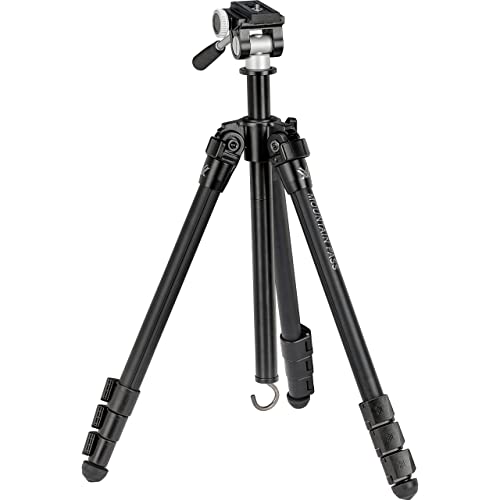
Vortex Mountain Pass Tripod Kit | 2-Way Pan Head - 22 lb Max Load, Arca-Swiss Mount, Aluminum Legs, Flip Lever Leg Locks - Unlimited, Unconditional Warranty
Check price on Amazon
Amazon Basics 50-inch Lightweight Portable Camera Tripod Stand with Quick-Release Plate, Adjustable Height, Aluminum, for Travel Photography, Champagne
Check price on Amazon
69” Tripod for Spotting Scopes, Binocular & Camera, Includes Binocular Adapter, 2 QR Plates, Phone Holder & Carry Bag, Ideal for Bird Watching, Hunting, Wildlife Viewing & Target Shooting
Check price on Amazon
68"Binocular Tripod with Adapter,2 QR Plates,Bubble Level,Flip Lock,Compact | Folds 18".2kg Load, Aluminum Legs, Phone Clamp, 3D Pan Head,1/4" Screw for Most Optics,Carry Bag, Lightweight Design
Check price on Amazon
Tripod for Camera and Phone, 72" Tall Camera Tripod Monopod with Remote | Professional Heavy Duty Compact Camera Stand for iPhone, DSLR, Spotting Scope, Telescope, Binocular
Check price on Amazon
Celestron Ultima Pan Tilt Tripod for Spotting Scopes, Binoculars & Cameras | Smooth Pan & Tilt Tripod, Lightweight & Portable, Stable Viewing Platform, Great for Everyday Outdoor Use
Check price on AmazonYour Binocular Tripod Buying Checklist
Before you buy, confirm these details:
- Binocular Weight & Size: Ensure the tripod's load capacity is sufficient.
- Mounting Thread: Check for a 1/4"-20 socket or purchase an adapter.
- Head Type: Ball head for portability, pan-and-tilt for smooth tracking, parallelogram mount for astronomy.
- Height Range: Consider your typical viewing position (standing, seated, lying down).
- Portability: Carbon fiber is lighter but pricier; aluminum is budget-friendly.
- Price Point: A reliable binocular tripod setup generally ranges from $60 to $300+, depending on materials and head type. For premium astronomy mounts, prices can exceed $500.
Final Thoughts: Invest in Stability
A binocular tripod is not just an accessory; it's a force multiplier for your optics. By eliminating shake, you unlock the full potential of your binoculars, revealing details you never knew existed. Whether you're scanning the night sky, observing wildlife, or simply enjoying a clearer view of the world, the right tripod makes all the difference. Just as a gimbal stabilizer is essential for smooth video, a tripod is essential for high-magnification viewing. Choose wisely, and your eyes will thank you.
Related Topics: For more on optics and support gear, explore our guides on camera tripod mounts, digital night vision, and trail camera mounts.