
Gimbal Stabilizer Buying Guide: Smooth Footage for Every Camera
Discover how a gimbal stabilizer can transform your video production. From handheld 3-axis gimbals for DSLR and mirrorless cameras to compact stabilizers for smartphones and action cameras, learn everything you need to choose the right gimbal for your needs and budget.
Shaky footage is one of the most common problems that separate amateur video from professional-looking content. Whether you are a vlogger, filmmaker, wedding videographer, or content creator, a gimbal stabilizer is one of the most impactful investments you can make. Unlike optical or in-body image stabilization, a gimbal uses motorized axes to counteract unwanted camera movement, delivering buttery-smooth footage even while walking, running, or shooting in challenging conditions.
This comprehensive guide will walk you through everything you need to know about gimbal stabilizers: how they work, the different types available, key features to compare, and how to match a gimbal to your specific camera setup. By the end, you will have the confidence to choose the perfect stabilizer for your production needs.
Quick Navigation: Use the sections below to jump directly to the information you need. If you are ready to browse options, the recommended gimbal stabilizers are featured further down this page.
What Is a Gimbal Stabilizer and How Does It Work?
A gimbal stabilizer is a pivoted support that allows the rotation of an object about a single axis. In camera terms, a modern gimbal uses brushless motors and inertial measurement units (IMUs) to detect and counteract unwanted movement across three axes: pan (left-right), tilt (up-down), and roll (rotation). The result is a camera that stays perfectly level and steady regardless of how the operator moves.
The technology behind gimbals has advanced dramatically in recent years. Early models were bulky, expensive, and difficult to balance. Today, gimbals are lighter, more affordable, and feature intuitive controls, quick-release plates, and smartphone integration. Some models even include built-in screens, follow-focus systems, and active tracking. If you are comparing camera types and wondering whether to invest in a DSLR vs mirrorless system, keep in mind that gimbal compatibility and weight capacity will play a role in your decision.
Types of Gimbal Stabilizers
Gimbals come in several form factors, each designed for different cameras and use cases. Understanding these categories will help you narrow down your options quickly.
1. Handheld Gimbals for DSLR and Mirrorless Cameras
These are the most common gimbals for professional and enthusiast video work. They support payloads ranging from around 1 kg (2.2 lbs) to over 4.5 kg (10 lbs), accommodating everything from compact mirrorless bodies to full-frame DSLRs with heavy lenses. Many feature foldable designs for easy transport, quick-release plates, and advanced modes like follow, pan-follow, and POV. If you shoot with a mirrorless camera for video, a dedicated handheld gimbal is often the best choice.
2. Smartphone Gimbals
Compact and lightweight, smartphone gimbals are perfect for vloggers and casual creators. They typically support phones up to around 300 grams and often include companion apps with subject tracking, time-lapse, and panoramic modes. These are an excellent entry point if you are not yet ready to invest in a dedicated camera system.
3. Action Camera Gimbals
Action cameras like GoPro and DJI Osmo Action are already stabilized electronically, but a gimbal can take smoothness to the next level, especially in low light where electronic stabilization struggles. If you shoot action content, consider pairing your camera with a gimbal designed for its specific form factor. For those interested in immersive footage, a 360 action camera combined with a gimbal can produce incredibly stable and dynamic results.
4. Pocket Gimbals with Integrated Cameras
Some manufacturers offer all-in-one solutions that combine a camera and gimbal in a single compact device. These are ideal for travel, casual vlogging, and situations where you want professional stabilization without the hassle of balancing a separate camera. If portability is your top priority, a pocket gimbal camera is worth exploring.
Key Features to Compare Before Buying
Not all gimbals are created equal. When evaluating options, pay close attention to the following specifications:
| Feature | Why It Matters | Typical Range |
|---|---|---|
| Payload Capacity | Must exceed your camera + lens + accessories weight | 0.5 kg to 4.5 kg+ |
| Battery Life | Determines how long you can shoot without recharging | 8 to 18 hours |
| Axis Lock | Makes balancing and transport easier | 2-axis or 3-axis lock |
| Quick Release Plate | Speeds up camera mounting and switching | Manfrotto or Arca-Swiss compatible |
| Follow Focus | Allows precise manual focus control | Electronic or mechanical |
| App Integration | Enables firmware updates and advanced features | Bluetooth or Wi-Fi |
| Weight | Affects portability and operator fatigue | 0.3 kg to 2 kg+ |
How to Match a Gimbal to Your Camera
The most important rule is simple: your gimbal's payload capacity must exceed the total weight of your camera, lens, and any accessories such as a microphone or monitor. Manufacturers typically list a recommended payload range, and it is wise to stay within 70–80% of the maximum to ensure optimal performance and battery life.
Beyond weight, consider the physical dimensions of your camera setup. A large cinema camera with a long lens may require a gimbal with extended arms and a robust mounting plate. Conversely, a compact camera for street photography may pair best with a lightweight gimbal that can be easily carried all day. If you are exploring different camera form factors, our guides on compact cameras for street photography and high-quality cameras can help you understand how different bodies balance with gimbals.
Balancing Your Camera on a Gimbal
Proper balancing is critical. An unbalanced gimbal will drain battery quickly, produce vibrations, and may even burn out its motors. Most manufacturers provide detailed tutorials, and the process typically involves adjusting the three axes (pan, tilt, and roll) until the camera stays level when the gimbal is powered off. This step may take some practice, but it becomes second nature over time.
Gimbal Stabilizer Price Ranges
Gimbal prices vary widely based on payload capacity, build quality, and features. Here is a general overview of what you can expect to pay:
- Entry-level smartphone gimbals: $80–$150
- Mid-range gimbals for mirrorless cameras: $200–$400
- Professional gimbals for DSLR and cinema cameras: $400–$800
- High-end gimbals with advanced features: $800+
When budgeting, remember that a gimbal is a long-term investment. A model that supports a slightly heavier payload than your current camera will give you room to grow. If you are also considering other camera accessories, our guide to camera cases can help you protect your investment during transport.
Recommended Gimbal Stabilizers
⚠️ AFFILIATE DISCLOSURE: This website contains affiliate links. As an affiliate Associate, we earn from qualifying purchases. If you make a purchase through these links, we may receive a small commission at no additional cost to you. Read our full affiliate policy.

DJI Osmo Mobile 8 Gimbal Stabilizer for Phone, 3-Axis Stabilization | AI Native Tracking with Audio & Lighting, 360° Pan Rotation, Built-in Extension Rod & Tripod, 10h Battery, Extension Rod
Check price on Amazon
DJI Osmo Mobile 7 Gimbal Stabilizer for iPhone & Android, 3-Axis Gimbal | Built-in Tripod, Ultra-Light, Comfortable Grip, ActiveTrack, ShotGuides, One-Tap Edit, 10hrs Use, Phone Charging
Check price on Amazon
hohem iSteady X3 SE 3-Axis Gimbal Stabilizer for iphone & Android, Black | Detachable Remote, iSteady 8.0, Foldable 0.79lb Design, Hohem Joy App, 11H Battery, 0.66lb Payload for Vlogs
Check price on Amazon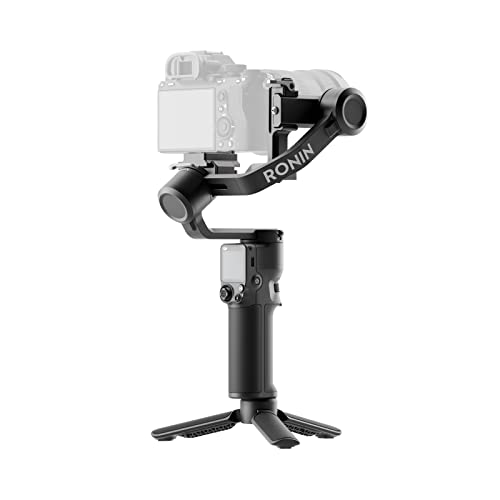
DJI RS 3 Mini, Camera Gimbal Stabilizer, Canon/Sony/Nikon/Fujifilm | 2 kg (4.4 lbs) Tested Payload, Native Vertical Shooting, Bluetooth Shutter Control, 3rd-Gen RS Stabilization, 795g
Check price on Amazon
DJI Osmo Mobile 7P Gimbal Stabilizer for iPhone & Android, Native Tracking | Lighting, 3-Axis Phone Gimbal, Quick Launch, One-Tap Edit, Built-in Extension Rod & Tripod, 10hrs Use, Phone Charging
Check price on Amazon
COMITOK L7C Pro, Gimbal stabilizer for iPhone, Phone Stabilizer for Video Recording with Face/Object Tracking, 3-Axis Gimbal for Android & iPhone 15 Pro Max, Foldable Phone Gimbal Vlog Recording
Check price on Amazon
DJI RS 4 Mini Combo, Gimbal Stabilizer, Canon/Sony/Nikon/Fujifilm | Intelligent Tracking Module, Briefcase Handle, 3rd-Gen Native Vertical Shooting, Teflon Enhanced Balancing
Check price on Amazon
hohem iSteady X3 SE Foldable Phone Gimbal with Detachable Remote, Gray | Detachable Remote, iSteady 8.0, Foldable 0.79lb Design, Hohem Joy App, 11H Battery, 0.66lb Payload for Vlogs
Check price on AmazonTips for Getting the Best Results with Your Gimbal
Once you have chosen your gimbal, a few best practices will help you maximize its potential:
- Master the ninja walk: Bend your knees slightly and walk with a smooth, rolling gait to minimize vertical bounce.
- Use the right mode: Switch between follow, pan-follow, and lock modes depending on your shot. Follow mode is great for tracking subjects, while lock mode keeps the camera pointed in a fixed direction.
- Keep batteries charged: Always carry spare batteries, especially for long shoot days.
- Practice balancing: The faster you can balance your camera, the more time you will have for actual shooting.
- Update firmware: Manufacturers frequently release firmware updates that improve performance and add features.
For creators who also shoot in low-light conditions, pairing a gimbal with a camera that excels in low light is essential. Our guide to digital night vision explores related technology that can complement your video setup.
Frequently Asked Questions About Gimbal Stabilizers
In-body image stabilization (IBIS) is excellent for reducing minor handshake, but it cannot compensate for the larger movements involved in walking or running. A gimbal provides a level of smoothness that IBIS alone cannot match, especially for professional video work. Many videographers use both together for the best results.
Yes, but you will need a gimbal with a high payload capacity, typically 3 kg (6.6 lbs) or more. Professional cinema gimbals are designed for this purpose and often include additional features like follow-focus and remote control. Always check the manufacturer's specifications carefully.
Most modern gimbals offer between 8 and 18 hours of battery life, depending on the payload and usage conditions. Heavier cameras and frequent motor adjustments will drain the battery faster. It is always a good idea to carry a spare.
Most gimbals are not waterproof, though some are water-resistant. If you plan to shoot in rain or near water, consider a gimbal with weather sealing or use a rain cover. For underwater footage, you would need a specialized underwater camera setup rather than a standard gimbal.
Absolutely. Gimbals are useful for photography as well, particularly for long-exposure shots, panoramic images, and situations where stability is critical. However, for still photography, a sturdy tripod is often more practical. Many photographers use gimbals for hybrid shooting that combines both photo and video.
Final Thoughts: Choosing the Right Gimbal Stabilizer
Investing in a gimbal stabilizer is one of the most effective ways to elevate the production quality of your video content. By understanding your camera's weight and dimensions, identifying the features that matter most for your workflow, and setting a realistic budget, you can find a gimbal that will serve you for years.
Whether you are a vlogger looking to smooth out your walking shots, a wedding videographer capturing once-in-a-lifetime moments, or a filmmaker pursuing cinematic perfection, the right gimbal will make a noticeable difference. Take the time to research, read reviews, and if possible, try a few models in person before making your final decision.
Ready to start shopping? Browse the recommended gimbal stabilizers featured above, and take the first step toward footage that looks as professional as it deserves to be. For more guidance on building your complete camera kit, explore our other resources on camera accessories, lenses, and shooting techniques.