
DSLR vs Mirrorless: Which Camera Is Right for You?
The ultimate showdown between traditional DSLR power and modern mirrorless innovation. Understand the real-world differences to make a confident, informed purchase decision.
The Short Answer: If you prioritize a vast used lens market, exceptional battery life, and an optical viewfinder, a DSLR remains a brilliant choice. If you want the latest autofocus technology, a compact form factor, and superior video capabilities, a mirrorless camera is the future-proof investment. But the full story is much more nuanced. Let's dive in.
The Fundamental Difference: What's Inside Matters
The names themselves reveal the core distinction. A DSLR (Digital Single-Lens Reflex) camera uses a mechanical mirror to reflect light from the lens up into an optical viewfinder (OVF). When you press the shutter, the mirror flips up, allowing light to hit the image sensor. This system is mature, reliable, and has been the professional standard for decades.
A mirrorless camera, as the name suggests, eliminates this mirror entirely. Light passes directly through the lens onto the image sensor, which constantly feeds a digital image to an electronic viewfinder (EVF) or the rear LCD screen. This seemingly simple change has profound implications for size, autofocus, and video performance. This design shift is arguably the most significant evolution in camera technology since the advent of digital itself.
Head-to-Head Comparison
To help you quickly grasp the practical differences, here is a detailed breakdown of the key categories that matter most when choosing between these two systems.
| Feature | DSLR | Mirrorless |
|---|---|---|
| Size & Weight | Bulkier and heavier due to the mirror box and pentaprism. | Significantly more compact and lighter, ideal for travel and everyday carry. |
| Viewfinder | Optical (OVF) - Shows the real world with zero lag, but no exposure preview. | Electronic (EVF) - Shows a digital preview of your exposure, white balance, and focus. |
| Autofocus (AF) | Phase-detection via a dedicated AF sensor. Fast, but often limited to the center of the frame. | On-sensor phase-detection and AI-driven subject tracking. Often superior for eye and animal AF. |
| Battery Life | Excellent. Often 800-1200+ shots per charge. OVF uses very little power. | Good, but generally lower. EVF and constant sensor readout drain power faster. Expect 300-600 shots. |
| Video Capabilities | Competent, but often limited by contrast-detection AF in live view, causing hunting. | Exceptional. Designed for video with reliable AF, 4K/6K/8K options, and professional log profiles. |
| Lens Selection | Vast legacy of native lenses, especially on the used market, often at lower prices. | Rapidly growing native lens lineups. Can adapt DSLR lenses, but performance varies. |
| Price | Entry-level models are very affordable ($300–$600). Great value on the used market. | Entry-level models start around $500–$700. Higher-end models can exceed $2,500+. |
Pros and Cons at a Glance
DSLR: Pros & Cons
- Superb battery life for long shoots
- Vast, affordable used lens market
- Optical viewfinder with zero lag
- Often more affordable entry point
- Proven reliability and ergonomics
- Heavier and bulkier body
- Weaker autofocus for video
- Limited future development from major brands
- No exposure preview in OVF
Mirrorless: Pros & Cons
- Compact, lightweight, and discreet
- Advanced AI-driven autofocus
- Superior video features and quality
- Electronic viewfinder with exposure preview
- Future-proof technology and innovation
- Shorter battery life per charge
- EVF can feel laggy in extreme low light
- Newer lenses can be expensive
- Higher entry price for premium models
Who Should Choose a DSLR?
A DSLR is an excellent choice for specific photographers and situations. If you are a budget-conscious beginner looking for a digital camera for beginners, the used DSLR market offers incredible value. You can build a versatile kit with a body and a few lenses, including classics like a 50mm lens, for a fraction of the cost of a new mirrorless system. The incredible battery life means you can shoot all day without worrying about spare batteries, making it ideal for events, weddings, and extended outdoor trips.
Furthermore, if you predominantly shoot stills in good light and prefer the "real" feel of an optical viewfinder, a DSLR like a compact DSLR camera remains a highly capable tool. The vast ecosystem of lenses, from wide-angle to telephoto, is a major advantage for those who want to explore every genre of photography without breaking the bank. For those interested in specific applications, the robust nature of DSLRs has made them a staple in various fields, though other camera types now dominate areas like CCTV installation and surveillance camera systems.
Who Should Choose a Mirrorless Camera?
Mirrorless is the clear winner for hybrid shooters who need excellent photo and video capabilities in one body. The advanced autofocus systems, with reliable eye-tracking and subject detection, make it a dream for portrait, wildlife, and event photographers. If you are a vlogger or content creator, a small vlogging camera or a mirrorless camera for video is almost certainly your best bet. The compact size also makes it a perfect choice for a travel camera or a compact camera for street photography, allowing you to be discreet and carry your gear effortlessly.
If you want the latest technology, including the best autofocus and the most advanced video features like 4K/120p or 8K, mirrorless is the only way to go. The ability to see your exposure in real-time through the EVF is a game-changer for learning and nailing difficult shots. While the initial investment can be higher, the system's versatility and future-proof nature make it a compelling long-term choice. Even in specialized fields, mirrorless technology is making inroads, such as with 4K video cameras and action cameras.
The Verdict: It's Not About "Better," It's About "Right"
There is no single "best" camera system. The choice between DSLR and mirrorless comes down to your specific needs, budget, and shooting style. Choose a DSLR if you value battery life, a vast and affordable used lens selection, and prefer an optical viewfinder. It's a fantastic, proven system for stills-focused photographers on a budget.
Choose a mirrorless camera if you need the best autofocus, superior video features, a compact and lightweight setup, and want to invest in the future of camera technology. It is the undisputed king for hybrid shooters and content creators.
Before you decide, consider what you will actually shoot. If you're primarily a stills photographer who occasionally dabbles in video, a DSLR might be more than enough. If you're a content creator who needs reliable video and cutting-edge AF, mirrorless is the clear path forward. Whichever you choose, both systems are capable of capturing stunning images. To find the best deals on your chosen system, check out our camera deals page.
Frequently Asked Questions
Is DSLR better than mirrorless?
Neither is objectively "better." DSLRs excel in battery life and value, especially on the used market. Mirrorless cameras excel in autofocus, video, and compact size. The "better" choice depends entirely on your personal needs.
Will DSLRs become obsolete?
Major manufacturers have shifted their focus to mirrorless, so new DSLR development has largely stopped. However, the vast existing user base and extensive lens libraries mean DSLRs will remain relevant and capable for many years.
Can I use DSLR lenses on a mirrorless camera?
Yes, you can use DSLR lenses on mirrorless cameras with an adapter. Performance varies by brand and adapter, but for many photographers, it's a great way to transition to mirrorless while keeping their existing lens collection.
Which is better for beginners?
Both are great for beginners. A used DSLR offers incredible value for learning the fundamentals. A mirrorless camera, however, offers a more modern experience with features like exposure preview in the viewfinder, which can accelerate the learning process.
Recommended DSLR & Mirrorless Cameras
⚠️ AFFILIATE DISCLOSURE: This website contains affiliate links. As an affiliate Associate, we earn from qualifying purchases. If you make a purchase through these links, we may receive a small commission at no additional cost to you. Read our full affiliate policy.
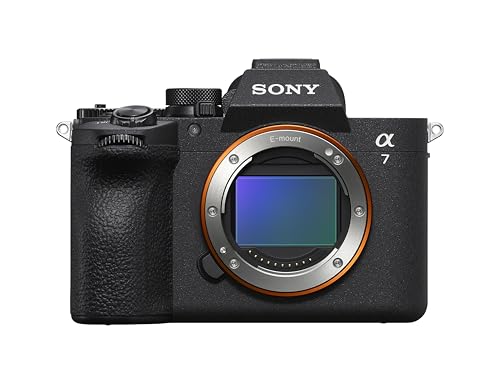
Sony Alpha a7 V Full-Frame Mirrorless Camera Body AI AF 30fps | 5-Axis in-Body Stabilization (Body Only), AI Autofocus
Check price on Amazon
Canon EOS R6 V Mirrorless Camera with RF20-50mm F4 L is USM PZ Lens, Full-Frame Sensor, 7K/4K Video, Vertical Video, Ultra-Wide Power Zoom Lens, Open Gate Full-Size HDMI, for Content Creators, Black
Check price on Amazon
Canon EOS R50 V Mirrorless Camera RF-S14-30mm F4-6.3 is STM PZ Lens Kit | APS-C Sensor, 24.2 Megapixels, Ultra-Wide Zoom, Fast Autofocus, Vlogging & Live Streaming Kit for Content Creators
Check price on Amazon
Sony Alpha 7R V Full-Frame Mirrorless Interchangeable Lens Camera Body
Check price on Amazon
SmallRig Foldable V Mount Battery Plate, All-in One Mounting Solution | for Mirrorless/DSLR Cameras, with Modular Plate for Arca, Compact Camera Video Rig, for NEEWER V Mount Battery PS099E
Check price on Amazon