
The 50mm Lens: The One Prime Every Photographer Should Own
Often called the "nifty fifty," the 50mm lens offers a natural field of view, exceptional low-light performance, and beautiful background blur. Whether you shoot portraits, street, or video, this guide will help you choose the perfect 50mm prime for your camera.
See Recommended 50mm LensesBest 50mm Lenses for Every Budget
⚠️ AFFILIATE DISCLOSURE: This website contains affiliate links. As an affiliate Associate, we earn from qualifying purchases. If you make a purchase through these links, we may receive a small commission at no additional cost to you. Read our full affiliate policy.

Canon EF 50mm f/1.8 STM Lens, Black, Compatible with Canon EOS DSLR Cameras | Compatible with EOS DSLR Cameras
Check price on Amazon
Canon RF50mm F1.8 STM Lens | Mirrorless Fixed Focal Length Lens, Compact, Lightweight Design, Portraits, Landscapes, Photography
Check price on Amazon
Sony - FE 50mm F1.8 Standard Lens (SEL50F18F/2), Black
Check price on Amazon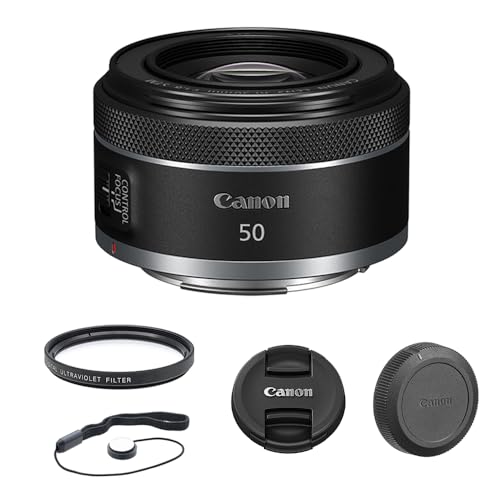
Canon RF 50mm f/1.8 STM Lens Bundle with UV Filter + Lens Cap Keeper
Check price on Amazon
Canon RF50mm F1.4 L VCM
Check price on Amazon
YONGNUO YN50mm F1.8 Auto Focus Lens for Canon EF Mount Cameras | Large Aperture AF MF, 50MM F1.8C For Canon EF-Mount Cameras
Check price on Amazon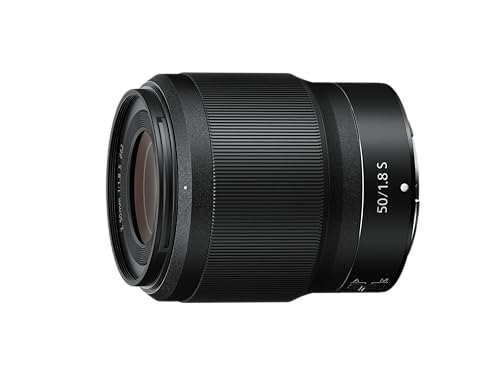
Nikon NIKKOR Z 50mm f/1.8 S | Premium Large Aperture Prime Lens (nifty Fifty) for Series mirrorless Cameras | USA Model, Black
Check price on Amazon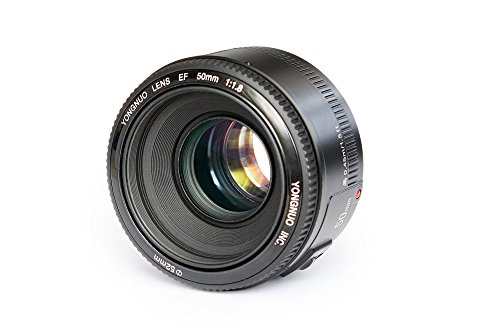
YONGNUO YN50mm F1.8 Lens Large Aperture Auto Focus Lens Compatible with Canon EF Mount Camera
Check price on AmazonWhat Exactly Is a 50mm Lens?
A 50mm lens is a prime lens with a fixed focal length of 50 millimeters. On a full-frame camera, it provides a field of view of approximately 39.6 degrees, which is very close to what the human eye perceives. On an APS-C or Micro Four Thirds camera, the effective focal length becomes roughly 75mm or 100mm respectively, turning it into a short telephoto lens ideal for portraits.
Because of its simple optical design, manufacturers can produce 50mm lenses with very wide maximum apertures without making them bulky or expensive. This is why you will find 50mm f/1.8 lenses for under $150, while 50mm f/1.2 lenses can cost over $2,000. For those interested in the technical side, understanding megapixels and sensor resolution can help you pair your lens with the right camera body.
Key Features That Make the 50mm Special
Natural Field of View
On full-frame, 50mm is the closest match to human vision. This makes it incredibly intuitive for composing shots without constantly checking your framing.
- Best for: Documentary, street, and everyday photography
- Perspective: Neither wide nor telephoto — perfectly balanced
Fast Maximum Aperture
Most 50mm primes offer at least f/1.8, with many options at f/1.4 or f/1.2. This allows for excellent low-light performance and creamy bokeh.
- Low light: Shoot handheld in dim conditions
- Bokeh: Isolate subjects with shallow depth of field
Compact & Lightweight
Even the fastest 50mm lenses are small and light compared to zoom lenses. They are perfect for travel and everyday carry.
- Portability: Fits easily in any camera case
- Balance: Pairs well with both DSLR and mirrorless bodies
Excellent Value
The 50mm f/1.8 is often the most affordable lens in any camera system. It delivers professional-level image quality at a fraction of the cost of zooms.
- Budget: $100–$250 for f/1.8 versions
- Premium: $400–$2,500 for f/1.4 and f/1.2 versions
50mm Lens Options Compared
| Aperture | Best For | Typical Price | Size & Weight | Image Quality |
|---|---|---|---|---|
| f/1.8 | Beginners, travel, everyday use | $100–$250 | Very compact, lightweight | Excellent sharpness, good bokeh |
| f/1.4 | Enthusiasts, portraits, low light | $300–$600 | Moderate size, slightly heavier | Superior sharpness, creamier bokeh |
| f/1.2 | Professionals, commercial work | $1,500–$2,500 | Large, heavy, robust build | Ultimate optical performance |
Pros and Cons of the 50mm Lens
Advantages
- Natural perspective for everyday shooting
- Fast aperture for low light and bokeh
- Lightweight and portable
- Affordable entry point to prime lenses
- Excellent sharpness across the frame
- Great for both photo and 4K video
Limitations
- Fixed focal length — no zoom flexibility
- On APS-C, it becomes a short telephoto (75mm)
- Not ideal for wide landscapes or tight interiors
- Fast f/1.2 versions are expensive and heavy
- Requires foot zoom to change framing
What Can You Shoot with a 50mm Lens?
Portraits
The 50mm is a classic portrait lens on full-frame. It provides a flattering perspective without the distortion of wider lenses. For tighter headshots, consider an 85mm lens instead.
- Aperture: f/1.8 to f/2.8 for soft background
- Distance: 3–6 feet from subject
Street Photography
Discreet and fast, the 50mm is perfect for candid street shots. Its natural field of view lets you capture scenes as you see them, making it a favorite for street photography.
- Aperture: f/5.6 to f/8 for zone focusing
- Distance: 6–15 feet from subject
Everyday & Travel
Lightweight and versatile, the 50mm is ideal for documenting daily life and travel. It forces you to be creative with composition rather than relying on zoom.
- Aperture: f/2.8 to f/4 for balanced sharpness
- Pair with: A travel camera for a compact kit
Video & Vlogging
The 50mm delivers cinematic depth of field for video. On a gimbal or gimbal stabilizer, it produces professional-looking footage with beautiful subject separation.
- Aperture: f/1.8 to f/2.8 for cinematic look
- Focus: Use manual focus for critical shots
How to Choose the Right 50mm Lens
Choosing a 50mm lens depends on your camera system, budget, and intended use. Here are the key factors to consider:
- Mount Compatibility: Ensure the lens matches your camera's mount (e.g., Canon RF, Sony E, Nikon Z, Fujifilm X).
- Aperture: f/1.8 is perfect for beginners; f/1.4 offers better bokeh and low-light performance; f/1.2 is for professionals who demand the best.
- Autofocus Motor: Look for silent stepping motors (STM, SSM, USM) for video and quiet shooting.
- Build Quality: Plastic mounts are lighter and cheaper; metal mounts are more durable.
- Image Stabilization: Some 50mm lenses include IS/VR/OS, which helps in low light. If your camera has in-body stabilization, this is less critical.
If you are unsure between a 50mm and a zoom lens, consider reading our guide on DSLR vs mirrorless to understand how lens ecosystems differ. Also, if you are looking for a more compact setup, a compact 35mm film camera with a fixed 50mm lens can be a fun alternative.
Frequently Asked Questions
Is a 50mm lens good for beginners?
Absolutely. The 50mm f/1.8 is widely considered the best first prime lens for beginners. It is affordable, lightweight, and teaches you to compose with your feet. It also delivers professional-looking results with shallow depth of field.
What is the difference between 50mm f/1.8 and f/1.4?
The f/1.4 version offers a wider aperture, which means better low-light performance and creamier background blur. It also typically has better build quality and sharper optics. However, it is larger, heavier, and more expensive than the f/1.8 version.
Can I use a 50mm lens for video?
Yes, 50mm lenses are excellent for video. The fast aperture allows for cinematic depth of field, and many modern 50mm lenses have silent autofocus motors ideal for vlogging and filmmaking. Pair it with a small vlogging camera for a portable setup.
Is 50mm better than 35mm?
It depends on your style. 35mm is wider and better for environmental portraits and street photography. 50mm is tighter and better for isolating subjects. Many photographers own both. If you prefer a wider view, consider a 35mm lens instead.
Do I need image stabilization in a 50mm lens?
Not necessarily. Fast apertures like f/1.8 already let in plenty of light, allowing for faster shutter speeds. If your camera has in-body image stabilization (IBIS), you may not need lens-based stabilization at all.
Ready to Experience the Magic of 50mm?
The 50mm lens is more than just a piece of glass — it is a gateway to creative photography. Whether you are just starting out or adding to a professional kit, a 50mm prime will quickly become your most-used lens. Explore our recommended options above and find the perfect one for your camera.
Shop 50mm Lenses Now