
Megapixels Explained: The Complete Camera Resolution Guide
Megapixels are one of the most talked-about camera specs — but also one of the most misunderstood. This guide cuts through the marketing hype and explains exactly what megapixels do, how many you actually need, and why sensor size matters more than the number on the box.
Quick Answer: For most photographers, 12–24 megapixels is more than enough. A 24MP camera can print stunning 16×24 inch photos and gives you plenty of room to crop. Only consider 45MP+ if you regularly print large formats, do heavy cropping, or shoot commercial work. A high-quality camera with a larger sensor at 20MP will often outperform a small-sensor 48MP camera.
What Exactly Is a Megapixel?
A megapixel (MP) is simply one million pixels. A pixel is the smallest individual unit of a digital image — a tiny square of color. When a camera advertises "24 megapixels," it means the sensor captures roughly 24 million individual pixels to build a single photograph.
The more pixels you have, the more detail the camera can theoretically capture. This extra detail translates into two practical benefits: the ability to print larger without losing sharpness, and the ability to crop into a photo and still have enough resolution left for a quality image.
However — and this is the crucial point — megapixels are only one part of the image quality equation. A CMOS camera sensor's physical size, the lens quality, and the image processor all play equally important roles. For a deeper dive into overall image performance, see our guide on camera quality.
How Many Megapixels Do You Actually Need?
The honest answer is: far fewer than most marketing departments would have you believe. The right number depends entirely on how you use your photos. Here is a practical breakdown:
| Use Case | Recommended MP | Print Size (300 DPI) | Typical Price Range |
|---|---|---|---|
| Social media & web sharing | 8–12 MP | Up to 8×10 inches | $150–$400 |
| Everyday photography & travel | 12–20 MP | Up to 13×19 inches | $300–$800 |
| Enthusiast & hobbyist | 20–24 MP | Up to 16×24 inches | $500–$1,500 |
| Landscape & commercial | 30–45 MP | Up to 24×36 inches | $1,500–$3,500 |
| Fine art & advertising | 45–100+ MP | 40×60 inches and beyond | $3,000–$8,000+ |
Notice that even a modest 12MP camera is sufficient for prints up to 8×10 inches — the most common print size for family photos and wall art. If you are shopping for a beginner-friendly option, a digital camera for beginners in the 16–24MP range will serve you well for years. For those who prefer something compact, a small digital camera with 20MP is an excellent balance of portability and quality.
The Megapixel Myth: More Isn't Always Better
The biggest misconception in photography is that a higher megapixel count automatically means better photos. This is false. In fact, cramming too many pixels onto a small sensor can actually reduce image quality by increasing noise and reducing low-light performance.
❌ Myth
"A 108MP phone camera takes better photos than a 24MP DSLR."
✅ Fact
Sensor size, lens quality, and processing matter far more. A 24MP full-frame camera will vastly outperform a 108MP phone sensor in low light, dynamic range, and detail.
❌ Myth
"More megapixels always means sharper photos."
✅ Fact
Sharpness depends on the lens, focus accuracy, and stability. A mediocre lens on a 50MP sensor produces softer images than a great lens on a 24MP sensor.
❌ Myth
"You need 45MP+ for professional work."
✅ Fact
Countless professional wedding, portrait, and even sports photographers deliver outstanding work with 20–24MP cameras. Resolution is just one tool in the kit.
Megapixels vs. Sensor Size: The Real Story
Sensor size is the unsung hero of image quality. A larger sensor captures more light, which means better performance in dim conditions, richer colors, and shallower depth of field for that beautiful background blur. When you squeeze more megapixels onto a tiny sensor, each individual pixel becomes smaller and captures less light — leading to noisier images.
This is why a compact DSLR camera or a mirrorless camera for video with a 24MP APS-C or full-frame sensor will almost always beat a smartphone or point-and-shoot with a much higher megapixel count. The physical size of the light-gathering area is what truly matters.
For a detailed comparison between camera types and their sensor characteristics, explore our guide on DSLR vs mirrorless cameras. If you are looking for a versatile option that balances sensor size and portability, a travel camera with a 1-inch or APS-C sensor and 20MP is a superb choice.
Cropping: Where Extra Megapixels Actually Help
The one scenario where a higher megapixel count genuinely shines is cropping. If you shoot wildlife, sports, or street photography and often find yourself wishing you could get closer, extra resolution gives you the freedom to crop into your image and still retain enough detail for a quality print or share.
For example, a 45MP image cropped to 50% still leaves you with roughly 22MP — more than enough for most uses. A 24MP image cropped to 50% leaves only 12MP, which limits your print size. This is why sports and wildlife photographers often invest in high-resolution bodies. If you are considering a specialized camera for these genres, a high-quality camera with 30MP+ could be worthwhile.
For everyday shooters who compose carefully in-camera, this advantage is far less important. A top-rated digital camera with 24MP remains the sweet spot for the vast majority of enthusiasts.
Practical Advice: Choosing the Right Megapixel Count
When you are ready to buy, keep these guidelines in mind:
- Don't overpay for megapixels you won't use. A 24MP camera is plenty for 95% of photographers.
- Prioritize sensor size and lens quality. These have a far greater impact on image quality than resolution alone.
- Consider your printing habits. If you rarely print larger than 8×10, 12–16MP is sufficient.
- Think about cropping. If you crop heavily, 30MP+ gives you valuable flexibility.
- Check the whole package. Autofocus, ergonomics, video features, and lens ecosystem matter just as much.
If you are looking for a capable all-rounder, a good quality digital camera with 20–24MP and a larger sensor will deliver excellent results without breaking the bank. For those on a tighter budget, a budget-friendly digital camera in the 16–20MP range still produces beautiful images for sharing and small prints.
And if you are drawn to the timeless look of film, a compact 35mm film camera or 35mm point and shoot operates on an entirely different scale — but that's a topic for another guide. For instant gratification, an instant photography camera or digital instant camera offers a fun, low-resolution alternative that prioritizes experience over pixel count.
Recommended Cameras by Megapixel Range
⚠️ AFFILIATE DISCLOSURE: This website contains affiliate links. As an affiliate Associate, we earn from qualifying purchases. If you make a purchase through these links, we may receive a small commission at no additional cost to you. Read our full affiliate policy.

KODAK CHARMERA Keychain Digital Camera Blind Box Single Box (1PC),Mini Camera,Digicam,Video Recording,Bag Charm,1.6 Megapixels,Micro SD Card Slot,for Beginners Teens and Adults
Check price on Amazon
KODAK CHARMERA Keychain Digital Camera Blind Box Millennium Single Box (1PC),Mini Camera,Digicam,Video Recording,Bag Charm,1.6 Megapixels,Micro SD Card Slot,for Beginners Teens&Adults
Check price on Amazon
Arducam for Raspberry Pi Camera Module V2-8 Megapixel,1080p IMX219 Raspberry Pi 5 Camera
Check price on Amazon
KODAK CHARMERA Keychain Digital Camera Blind Box - Millennium Whole Set (6PC) - Mini Camera,Digicam,Video Recording,Bag Charm,1.6 Megapixels,Micro SD Card Slot,for Beginners Teens and Adults
Check price on Amazon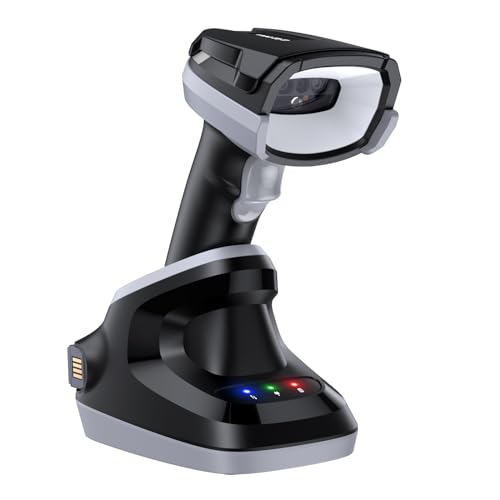
TEEMI Industrial 2D Bluetooth Barcode Scanner with USB Cradle TMSL-59CR | with Spare Battery, Megapixel CMOS Sensor, IP65 Dust, Water & Drop Resistant, Long-Range QR Reader, Data Formatting
Check price on Amazon
OOSSXX 8.0/4K Megapixel Security POE NVR Network Video Recorder,3TB HDD | Supports up to 8MP/4K IP Cameras, Max to 8TB Hard Drive, Free App Remote Access, No Monthly Fee
Check price on Amazon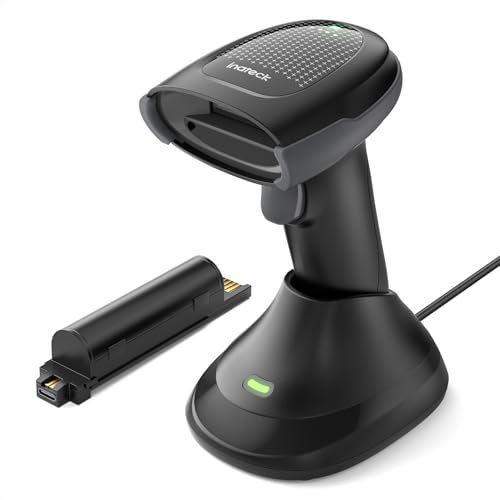
Inateck Wireless 2D Barcode Scanner Bluetooth, Megapixel QR Scanner with Charging Cradle Data Receiver, 2X 2000mAh Replaceable Batteries for Continuous Shift Work
Check price on Amazon
Aideepen 5MP 160 Wide Angle Camera Module for ESP32 CAM | OV5640 Camera/5 Megapixel/for ESP32,STM32,Single Board Computer
Check price on AmazonFinal Thoughts: Megapixels Are a Tool, Not a Goal
Megapixels matter — but they are not the be-all and end-all of photography. The best camera is the one that fits your needs, your hands, and your creative goals. A well-composed photo from a 16MP camera will always beat a careless snapshot from a 100MP monster.
Use this guide as your foundation, then explore our other resources on camera quality, DSLR vs mirrorless, and digital cameras for beginners to round out your knowledge. When you are ready to buy, check our camera deals page for the latest offers on the best gear for your budget.