
Compact DSLR Camera: The Complete Buying Guide
Discover how a compact DSLR camera can deliver professional image quality in a lightweight body. Learn which models offer the best balance of portability, performance, and value.
VIEW RECOMMENDATIONSWhy Compact DSLRs Still Matter: In a world dominated by mirrorless cameras, compact DSLRs remain a compelling choice for photographers who want optical viewfinders, long battery life, and access to vast lens ecosystems — all in a smaller, lighter package than traditional DSLRs.
What Is a Compact DSLR Camera?
A compact DSLR camera is a digital single-lens reflex camera designed to be smaller and lighter than full-sized professional models. These cameras typically feature APS-C sensors, polycarbonate or magnesium alloy bodies, and streamlined control layouts. Despite their reduced size, compact DSLRs retain the core advantages of DSLR technology: an optical viewfinder, fast phase-detection autofocus, and compatibility with a wide range of interchangeable lenses. They are an excellent choice for travel photography, street shooting, and everyday carry when you want more control than a small digital camera can provide.
Key Benefits of Choosing a Compact DSLR
📷 Lightweight & Portable
Compact DSLRs are significantly lighter than full-frame professional models, making them ideal for all-day shooting, hiking, and travel. You get DSLR image quality without the back strain.
🔋 Long Battery Life
DSLRs use optical viewfinders that don't consume power like electronic viewfinders. A single charge can often last 800–1,200 shots, far exceeding most mirrorless cameras.
🔍 Optical Viewfinder
See the scene through the lens with zero lag and no electronic processing. The optical viewfinder provides a natural, true-to-life viewing experience that many photographers prefer.
💎 Excellent Value
Compact DSLRs and their lenses are often more affordable than equivalent mirrorless systems. You can build a versatile kit for $500–$1,500, making them great for beginners and enthusiasts.
What to Look For in a Compact DSLR Camera
When shopping for a compact DSLR, focus on the features that matter most for your photography style. Here are the critical specifications to evaluate:
- Sensor Size: Most compact DSLRs use APS-C sensors (around 22.3 x 14.9mm), which offer a good balance of image quality, depth of field control, and lens size. Learn more about megapixels and sensor technology.
- Resolution: 18–24 megapixels is standard for compact DSLRs. This is more than enough for large prints and cropping. Higher resolution isn't always better if it compromises low-light performance.
- Autofocus System: Look for at least 9–11 cross-type AF points. More advanced models offer 45-point or dual-pixel AF for faster, more accurate focusing on moving subjects.
- ISO Range: A native ISO range of 100–12,800 (expandable to 25,600) ensures good performance in various lighting conditions. Check for camera quality reviews to see real-world noise performance.
- Burst Rate: 5–7 frames per second is typical for compact DSLRs. This is sufficient for casual sports, wildlife, and action photography.
- Lens Mount: Ensure the camera uses a popular mount (Canon EF/EF-S, Nikon F) with a wide selection of affordable lenses. A 50mm lens is a great starting point for portraits and low-light shooting.
- Video Capabilities: Most modern compact DSLRs shoot 1080p Full HD at 30fps or 60fps. Some offer 4K, though often with crop factors. Consider a mirrorless camera for video if video is your primary focus.
- Build Quality: Look for weather-sealed bodies if you shoot outdoors frequently. A camera case adds extra protection regardless of build quality.
- Wi-Fi & Connectivity: Built-in Wi-Fi and Bluetooth allow easy transfer of images to your phone for quick sharing. Check camera connect features for compatibility with your devices.
Compact DSLR vs. Other Camera Types
| Feature | Compact DSLR | Full-Frame DSLR | Mirrorless Camera |
|---|---|---|---|
| Weight | 400–600g (body only) | 700–1,000g+ | 300–500g |
| Sensor Size | APS-C | Full-Frame | APS-C or Full-Frame |
| Battery Life | 800–1,200 shots | 800–1,200 shots | 300–500 shots |
| Lens Selection | Extensive (legacy + new) | Extensive | Growing, but fewer affordable options |
| Price Range | $400–$1,200 | $1,500–$4,000+ | $500–$3,000+ |
| Best For | Travel, beginners, enthusiasts | Professionals, low-light, portraits | Video, street, modern features |
Editor's Note: If you're torn between a compact DSLR and a mirrorless camera, consider your priorities. Choose a compact DSLR for battery life, optical viewfinder, and affordable lenses. Choose mirrorless for advanced video features, compact size, and eye-tracking autofocus. Read our full DSLR vs mirrorless comparison for a deeper analysis.
Who Should Buy a Compact DSLR Camera?
A compact DSLR is an excellent choice for specific types of photographers. You should consider one if:
- Beginners and students who want to learn manual photography with a traditional, hands-on interface. Start with our digital camera for beginners guide.
- Travelers who need a lightweight camera that still delivers professional-quality images and doesn't need constant recharging.
- Street photographers who prefer an optical viewfinder and fast response times. A compact camera for street photography is less intimidating than larger gear.
- Budget-conscious enthusiasts who want to build a lens collection without spending thousands on mirrorless glass.
- Parents and hobbyists who want better photos than a smartphone without carrying a heavy camera bag.
Recommended Compact DSLR Cameras
⚠️ AFFILIATE DISCLOSURE: This website contains affiliate links. As an affiliate Associate, we earn from qualifying purchases. If you make a purchase through these links, we may receive a small commission at no additional cost to you. Read our full affiliate policy.

Canon EOS Rebel T7 DSLR Camera EF-S 18-55mm f/3.5-5.6 is II Lens Kit | 24.1 Megapixel CMOS (APS-C) Sensor, Full HD Videos, Built-in Wi-Fi, Beginner Photographers, Digital Camera
Check price on Amazon
Canon EOS Rebel T7 DSLR Camera Double Zoom Lens Kit | EF-S 18-55mm & EF 75-300mm Lenses, 24.1 Megapixel CMOS (APS-C) Sensor, Full HD Videos, Wi-Fi, Beginner Photographers
Check price on Amazon
KODAK PIXPRO FZ55 16MP Compact Digital Camera, 5X Optical Zoom, Black | 1080p Full HD Video, 28mm Wide Angle Lens, 2.7 Inch LCD, Point and Shoot, Vlogging Camera, Li-Ion Battery
Check price on Amazon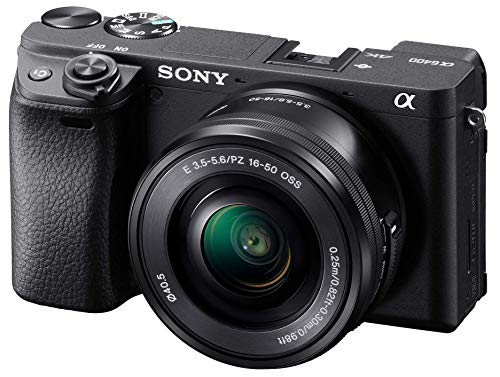
Sony Alpha a6400 Mirrorless Camera: Compact APS-C Interchangeable Lens Digital Camera with Real-Time Eye Auto Focus, 4K Video, Flip Screen & 16-50mm Lens - E Mount Compatible - ILCE-6400L/B, Black
Check price on Amazon
Canon EOS R100 Mirrorless Camera RF-S18-45mm F4.5-6.3 is STM Lens Kit | 24.1 Megapixel CMOS (APS-C) Sensor, 4K Video, Wi-Fi & Bluetooth, Beginner Photographers & Creators, Digital Camera
Check price on Amazon
KODAK PIXPRO AZ255 16MP Digital Camera, 25x Optical Zoom, AA, OIS, Black | 1080p Full HD Video, 24mm Wide Angle Lens, 3 Inch LCD, Optical Image Stabilization, Vlogging Camera, Bridge Camera
Check price on Amazon
5K Digital Camera with 6X Optical Zoom,64MP WiFi Camera with 64GB Card | Easy-to-Use Point and Shoot Camera with Autofocus, Dual Cameras, Anti-Shake & 2 Batteries for Teens, Beginners & Travel Vlogs
Check price on AmazonEssential Buying Tips for Compact DSLRs
Before you make your purchase, keep these practical tips in mind to ensure you get the best value and the right camera for your needs.
1. Consider the Kit Lens
Most compact DSLRs come with an 18-55mm kit lens. This is a versatile starting point, but don't be afraid to buy the body only and invest in a better lens like a 50mm prime or 35mm lens for sharper images and better low-light performance.
2. Buy Refurbished or Used
Compact DSLRs are built to last. A refurbished camera from a reputable dealer or a well-maintained used model can save you 30–50% while still delivering excellent performance. Check our camera deals page for current offers.
3. Don't Skimp on Accessories
A few essential accessories will enhance your shooting experience: a spare battery, an SD card (Class 10 or UHS-I), a camera tripod mount, and a protective lens cap. For video work, consider a gimbal stabilizer.
4. Think About the Ecosystem
Canon EF-S and Nikon F mounts have decades of lenses available. Sony A-mount and Pentax K-mount also offer unique advantages. Choose a system with lenses that match your interests, whether that's photography lighting, macro, or telephoto work.
5. Try Before You Buy
Ergonomics matter. Visit a local camera store or borrow a friend's DSLR to see how it feels in your hands. A camera that's comfortable to hold will be used more often, which ultimately improves your photography skills.
Frequently Asked Questions About Compact DSLR Cameras
Are compact DSLRs still worth buying?
Yes, absolutely. Compact DSLRs offer excellent image quality, long battery life, and access to affordable lenses. While mirrorless cameras have become more popular, DSLRs remain a proven technology with a huge used market and many professional-grade options. For still photography, a compact DSLR is still a fantastic choice.
What is the best compact DSLR for beginners?
The best beginner compact DSLR is one that feels comfortable, has intuitive controls, and fits your budget. Look for models with guide modes, vari-angle LCD screens, and Wi-Fi connectivity. Canon Rebel series and Nikon D3000/D5000 series are popular starting points. See our digital camera for beginners guide for more details.
Can I use full-frame lenses on a compact DSLR?
It depends on the mount. Canon EF lenses work on Canon EF-S bodies, and Nikon F full-frame lenses work on Nikon DX bodies. However, using a full-frame lens on an APS-C body gives you a crop factor of 1.5x or 1.6x, meaning a 50mm lens behaves like a 75–80mm lens. This can be an advantage for telephoto shooting but a disadvantage for wide-angle work.
How does a compact DSLR compare to a mirrorless camera for video?
Mirrorless cameras generally have an edge for video thanks to better autofocus during recording, higher frame rates, and more advanced video features like 4K at 60fps. However, many compact DSLRs offer excellent 1080p video and are perfectly suitable for vlogging, interviews, and casual video projects. If video is your primary focus, consider a mirrorless camera for video instead.
What accessories should I buy with my compact DSLR?
Start with a spare battery, a fast SD card (64GB or 128GB), a protective camera bag or camera case, and a lens cleaning kit. If you plan to shoot in low light or do long exposures, a tripod is essential — check our guide to camera tripod mounts for recommendations.
Are compact DSLRs good for travel photography?
Yes! Their lightweight design makes them ideal for travel. Pair a compact DSLR with a versatile zoom lens like an 18-135mm or a compact prime like a 24mm or 35mm, and you have a travel kit that covers everything from landscapes to portraits. See our travel camera guide for more tips.
Final Thoughts: Is a Compact DSLR Right for You?
A compact DSLR camera offers a compelling blend of portability, performance, and value. Whether you're a beginner looking to learn the fundamentals of photography, a traveler wanting better images than a smartphone can provide, or an enthusiast seeking a reliable backup body, a compact DSLR delivers. With excellent battery life, an optical viewfinder, and access to a vast lens ecosystem, it remains a smart choice for still photography. If you're still undecided between camera types, explore our DSLR vs mirrorless comparison, or check out our small digital camera guide for even more portable options. For those who want the absolute best image quality in a compact body, a compact 35mm film camera or a high-quality camera might also be worth exploring.
Ready to buy? Check out our top recommended compact DSLR cameras above. These models are selected based on image quality, build, value, and user reviews. Whether you're spending $500 or $1,200, there's a compact DSLR that fits your needs and budget.