How to Choose a 4K Video Camera: A Step-by-Step Guide
From sensor size to codecs, learn the critical factors that separate a good 4K camera from a great one.
Read More →
Everything you need to know before buying a 4K video camera. Compare features, understand specs, and find the perfect camera for your creative workflow.
VIEW RECOMMENDED MODELSWhy 4K Matters: A 4K video camera captures four times the resolution of Full HD, delivering stunning detail, flexibility in post-production, and future-proof quality for content creators, filmmakers, and videographers.
The demand for high-resolution video content has never been greater. Whether you are a budding filmmaker, a YouTube creator, or a professional videographer, a 4K video camera offers unparalleled clarity and creative control. Unlike smartphones that often simulate 4K through interpolation, dedicated 4K cameras capture true native resolution with superior color depth and dynamic range.
When you shoot in 4K, you also gain the advantage of cropping and reframing your footage in post-production without losing significant image quality. This flexibility is invaluable for interviews, documentaries, and action sequences. Furthermore, many modern 4K cameras support advanced features like log profiles, high frame rates, and exceptional image quality that set them apart from consumer-grade devices.
If you are transitioning from a standard HD setup, understanding the difference between camera types is crucial. Our guide on DSLR vs Mirrorless can help you decide which system aligns with your shooting style.
Not all 4K cameras are created equal. To make an informed decision, you need to evaluate several critical specifications that directly impact video quality and usability.
A larger sensor, such as a full-frame or APS-C, generally performs better in low light and provides shallower depth of field. CMOS sensors are standard in modern 4K cameras, offering excellent readout speeds. Learn more about CMOS camera technology.
For smooth slow-motion footage, look for cameras that can shoot 4K at 60fps or higher. Standard 24fps or 30fps is sufficient for cinematic looks, but higher frame rates give you more editing flexibility.
A higher bitrate means less compression and better image quality. Look for cameras that support 10-bit color and codecs like H.265 or ProRes for professional workflows.
In-body image stabilization (IBIS) is a game-changer for handheld shooting. If you plan to move a lot, consider pairing your camera with a gimbal stabilizer for buttery-smooth results.
Additional features like clean HDMI output, headphone jacks, and dual card slots are essential for professional use. For creators who need portability, a compact video camera might be the perfect fit, while those focused on vlogging should explore a small vlogging camera.
The market offers several categories of 4K cameras, each tailored to different needs and budgets. Understanding these categories will help you narrow down your options.
Mirrorless cameras are currently the most popular choice for hybrid shooters. They offer interchangeable lenses, excellent autofocus, and superb video quality. A mirrorless camera for video often includes features like 4K 60p, log profiles, and IBIS. They are versatile enough for both photography and videography.
Dedicated cinema cameras prioritize video performance above all else. They typically feature Super 35 or full-frame sensors, built-in ND filters, and professional connectivity. While they can be more expensive, they deliver unmatched image quality for narrative filmmaking.
For adventure enthusiasts, a 4K action camera is rugged, waterproof, and incredibly compact. These cameras are perfect for capturing dynamic POV shots, but they usually have smaller sensors and fixed lenses. If you need a 360-degree perspective, consider a 360 action camera.
Traditional camcorders still have their place, especially for event coverage and long-form recording. They offer excellent zoom ranges and ergonomic designs for handheld shooting. For those who prefer a dedicated video device, a car camcorder or a standard 4K camcorder can be a reliable choice.
Your specific use case should dictate your final purchase. Here are some common scenarios and recommendations:
If you are just starting, a digital camera for beginners that supports 4K can be a great entry point. For those on a tighter budget, exploring budget-friendly digital cameras or refurbished cameras can yield excellent value. And if you need a secondary camera for specific tasks, a compact video camera can be a handy addition.
To get the most out of your 4K camera, you will need a few essential accessories. These not only enhance your shooting experience but also protect your investment.
For those who need to mount their camera in unique positions, an overhead camera mount or a camera tripod mount can be very useful. And if you are shooting outdoors, a lens cap and lens caps are small but vital for protecting your lens.
We have curated a selection of the best 4K video cameras available right now. Whether you are a beginner or a pro, our recommended products are chosen for their performance, reliability, and value.
SEE RECOMMENDED 4K CAMERAS⚠️ AFFILIATE DISCLOSURE: This website contains affiliate links. As an affiliate Associate, we earn from qualifying purchases. If you make a purchase through these links, we may receive a small commission at no additional cost to you. Read our full affiliate policy.
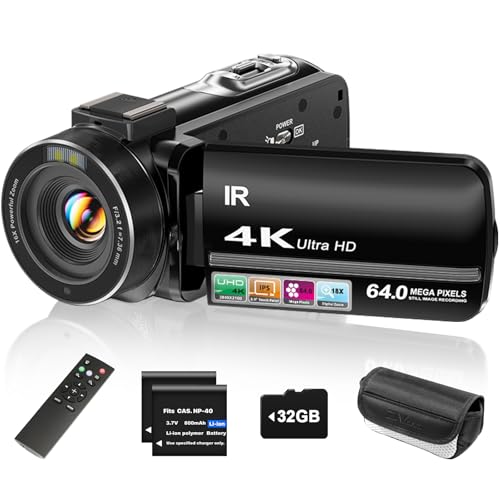


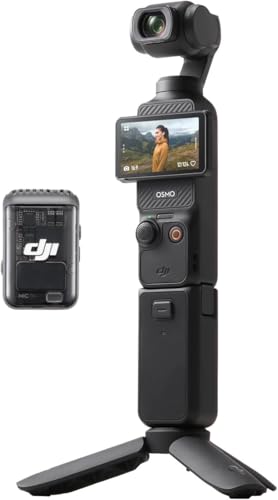


Hybrid powerhouses
Adventure-ready
Portable & powerful
Content creator's choice

From sensor size to codecs, learn the critical factors that separate a good 4K camera from a great one.
Read More →
We break down the pros and cons of each system to help you make an informed decision for your video projects.
Read More →
Don't forget these must-have accessories to get the most out of your 4K camera and protect your investment.
Read More →The information provided on AllCameraGuide is for educational and informational purposes only. We are not professional camera technicians or photographers, and our content should not replace professional advice. Always consult with a qualified expert regarding camera compatibility, safety, or technical concerns. Some content may use AI assistance. Always check product warranties and safety standards before purchasing. If you do not agree, please do not use this website. Read the full disclaimer.