
Surveillance Camera System: Complete Buying Guide
Protect what matters most with the right surveillance camera system. Compare types, features, and costs to find your perfect security solution.
VIEW TOP SYSTEMSWhy a Surveillance Camera System Matters: Whether you're protecting your home, monitoring a business, or keeping an eye on remote property, a well-designed surveillance camera system provides peace of mind, evidence when you need it, and deterrence against intruders. This guide walks you through everything you need to know before buying.
What Is a Surveillance Camera System?
A surveillance camera system is a network of video cameras connected to a recording and monitoring setup. Unlike a single window security camera or a basic wireless doorbell camera, a full system typically includes multiple cameras, a recorder (DVR or NVR), storage, and often remote viewing capabilities. These systems are used for continuous or motion-triggered recording, allowing you to review footage later or watch live from your smartphone.
Modern surveillance systems range from simple DIY kits with two cameras to enterprise-grade setups with dozens of 4K cameras and advanced analytics. The right choice depends on your property size, budget, and how much detail you need to capture. For example, a solar camera outdoor setup works well for remote locations without power, while a wired PoE system is better for permanent installations with existing infrastructure.
Understanding the difference between a basic camera detector and a full surveillance system is key: the former may only alert you to motion, while the latter records, stores, and lets you review high-definition footage. If you're just starting out, consider whether you need a full system or if a camera that doesn't need WiFi might suffice for your needs.
Types of Surveillance Camera Systems
There are several types of surveillance systems, each with distinct advantages. Choosing the right one depends on your installation environment, budget, and technical comfort level.
Wired DVR Systems
Traditional analog cameras connected to a DVR via coax cables. Reliable and affordable, but limited in resolution and requires extensive cabling. Best for small businesses with existing coax infrastructure.
PoE IP Systems
Power over Ethernet cameras connected to an NVR. Delivers high-resolution video (4K+) and power through a single cable. Ideal for new installations and scalable setups.
Wireless Systems
Cameras connect via WiFi to a hub or router. Easy to install but can suffer from signal interference. Best for renters or those who can't run cables. Look for outdoor cameras without subscription to avoid ongoing fees.
Hybrid Systems
Combine analog and IP cameras on a single recorder. Great for upgrading gradually without replacing everything at once.
For specialized needs, you might also consider a CCTV installation service for professional setup, or explore cameras that don't need WiFi if your internet is unreliable. If you're monitoring a vehicle, a dash cam for trucks serves a different but complementary purpose.
Key Features to Compare Before Buying
Not all surveillance systems are created equal. Here are the features that matter most when comparing options:
1. Resolution and Image Quality
Resolution determines how much detail you can capture. 1080p (Full HD) is the minimum for identifying faces and license plates. 4K (8MP) offers four times the detail but requires more storage and bandwidth. The number of megapixels directly affects clarity—higher megapixels mean sharper images, especially when zooming in. For critical areas like entrances, invest in higher resolution. A high-quality camera with good low-light performance often matters more than raw megapixels.
2. Night Vision and Low-Light Performance
Most surveillance cameras offer infrared (IR) night vision, but quality varies. Look for cameras with long IR range (30m+) and smart IR that prevents overexposure. For total darkness, digital night vision technology can help, though it's more common in specialized cameras. A trail camera with night vision shares similar technology but is designed for wildlife.
3. Storage Options
You'll need a way to store footage. Options include:
- Local NVR/DVR: Hard drive-based recording. No monthly fees, but risk of theft or damage.
- Cloud Storage: Convenient and secure, but usually requires a subscription.
- SD Card: Found in standalone cameras. Limited capacity but no ongoing cost.
- Hybrid: Local + cloud backup for redundancy.
4. Power Source
Wired cameras are reliable but require installation. Wireless cameras run on batteries or solar. A solar-powered trail camera is a good example of how solar can power remote surveillance. For permanent outdoor setups, a solar camera outdoor reduces maintenance.
5. Smart Features and Analytics
Modern systems offer person detection, vehicle detection, line crossing, and facial recognition. These reduce false alerts and make footage easier to search. Some systems integrate with smart home platforms like Alexa or Google Home.
6. Remote Viewing and App Quality
Almost all modern systems offer smartphone apps. Check reviews for app reliability, ease of use, and whether multiple users can view simultaneously. A camera connect feature that simplifies setup is a plus.
How Much Does a Surveillance Camera System Cost?
Prices vary widely based on camera count, resolution, and features. Here's a realistic breakdown for 2026:
| System Type | Typical Price Range | Best For |
|---|---|---|
| Basic DIY Kit (2–4 cameras, 1080p) | $150–$400 | Small homes, renters, entry-level |
| Mid-Range PoE System (4–8 cameras, 4K) | $500–$1,200 | Homeowners, small businesses |
| Advanced System (8–16 cameras, 4K, analytics) | $1,200–$3,500 | Large properties, commercial |
| Professional Installation (per camera) | $100–$300 | Complex setups, wiring needs |
| Cloud Subscription (per camera/month) | $3–$15 | Remote storage, redundancy |
Keep in mind that a budget-friendly digital camera approach might work for very basic needs, but for serious surveillance, investing in a dedicated system pays off. If you're handy, DIY installation saves money; otherwise, factor in professional CCTV installation.
Wired vs. Wireless: Which Is Right for You?
Wired Systems
- Reliable, no signal interference
- Continuous power—no battery changes
- Higher resolution and bitrate possible
- More secure (harder to jam)
- Better for permanent installations
Wireless Systems
- Easy DIY installation
- Flexible placement
- No cable runs needed
- Battery or solar powered options
- Subject to WiFi interference
For most homeowners, a hybrid approach works best: wired PoE cameras for critical areas and wireless for hard-to-reach spots. If you need a camera in a location without power, consider a solar camera outdoor or a camera that doesn't need WiFi with local storage.
Installation Tips for Maximum Coverage
Proper placement is crucial. Here are key tips:
- Cover entry points: Doors, windows, and gates are priorities.
- Height matters: Mount cameras 8–10 feet high, angled slightly down.
- Avoid backlight: Don't point cameras directly at the sun or bright lights.
- Use overlapping coverage: Ensure blind spots are covered by another camera.
- Secure the recorder: Keep NVR/DVR in a locked area.
- Test before finalizing: Check night vision and angles before permanent mounting.
If you're installing in a vehicle, a rear dash cam or car dash camera front and rear follows similar principles but is designed for mobile use. For property monitoring, a trail camera mount can be adapted for temporary surveillance.
Common Mistakes to Avoid
- Buying too few cameras: One camera rarely covers everything. Plan for at least 4 for a typical home.
- Ignoring storage limits: 4K footage fills drives fast. Calculate retention needs.
- Choosing the wrong lens: Wide-angle lenses cover more area but reduce detail. Varifocal lenses offer flexibility.
- Neglecting cybersecurity: Change default passwords and keep firmware updated.
- Overlooking legal issues: Don't point cameras at neighbors' private areas. Check local laws.
- Forgetting about power: Wireless cameras need batteries or solar; plan for maintenance.
Also, don't confuse a surveillance system with a hidden spy camera detector—the latter helps you find covert cameras, which is a different security concern.
Frequently Asked Questions
How many cameras do I need?
For a typical single-family home, 4–6 cameras cover main entry points, driveway, backyard, and side yards. Larger properties may need 8–16.
Do I need a subscription?
Not necessarily. Many systems record locally to an NVR/DVR or SD card. However, cloud subscriptions offer off-site backup and easier remote access. Look for outdoor cameras without subscription if you want to avoid monthly fees.
Can I install a surveillance system myself?
Yes, DIY kits are designed for self-installation. However, running cables for wired systems can be challenging. If unsure, hire a professional for CCTV installation.
What's the best resolution for surveillance?
1080p is the minimum for identifying people. 4K is ideal for large areas or when you need to zoom in on details like license plates. Consider megapixels and lens quality together.
How long does footage last?
Depends on storage size and resolution. A 1TB drive might hold 1–2 weeks of continuous 1080p footage from 4 cameras. Motion-triggered recording extends retention.
Are wireless cameras reliable?
They can be, but depend on WiFi signal strength. For critical areas, wired is more reliable. A wireless doorbell camera without subscription is a good starting point for entry monitoring.
Recommended Surveillance Camera Systems
⚠️ AFFILIATE DISCLOSURE: This website contains affiliate links. As an affiliate Associate, we earn from qualifying purchases. If you make a purchase through these links, we may receive a small commission at no additional cost to you. Read our full affiliate policy.

ANNKE 3K Lite Wired Security Camera System Outdoor, 8x 2MP Cameras, 1TB HDD | AI Human/Vehicle Detection, 8CH H.265+ Surveillance DVR and IP67-Rated Home CCTV Camera, IR Night Vision, 24/7 Recording
Check price on Amazon
ANNKE 8CH H.265+ 3K Lite Wired Security Camera System, 4X 2MP Cam, 1TB HDD | 8 Channel DVR with AI Human/Vehicle Detection, Outdoor CCTV Cameras, IP67 Weatherproof, IR Night Vision, No Monthly Fees
Check price on Amazon
ANNKE 8CH 3K Lite Wired Security Camera System, 8X CCTV Cam, 1TB Hard Drive | H.265+ 8 Channel Surveillance DVR, AI Human/Vehicle Detection, 1080P HD Outdoor Cameras, IR Night Vision, 24/7 Recording
Check price on Amazon
4CH Wired Security Camera System, AIWIXEN 4X 1080P Cam, DVR with 512GB HDD | Surveillance Cameras with Human Vehicle Detection, IP68 Waterproof, 24-7 Recording, Remote Access, Home Security CCTV Outdoor
Check price on Amazon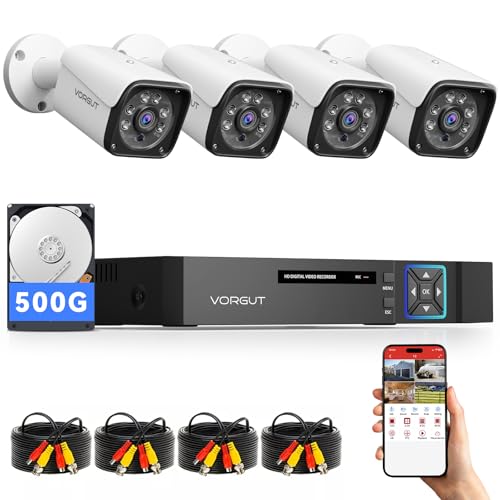
VORGUT Wired Security Camera System Outdoor, 4X 3MP CCTV Camera, 500G HDD | 4CH 5MP Lite AHD Surveillance DVR Kit, IP66 Waterproof Metal Shell, Remote Access,Smart Detection,24/7 Record, Night Vision
Check price on Amazon
Hiseeu 5MP Home Security Camera System Outdoor, 2.4G/5G Wireless WiFi Pro | 24/7 Recording, 1TB HDD No Subscription, Wired Plug-in Powered Cameras, 4K NVR with 10.1" LCD Monitor, One-Way Audio, IP65
Check price on Amazon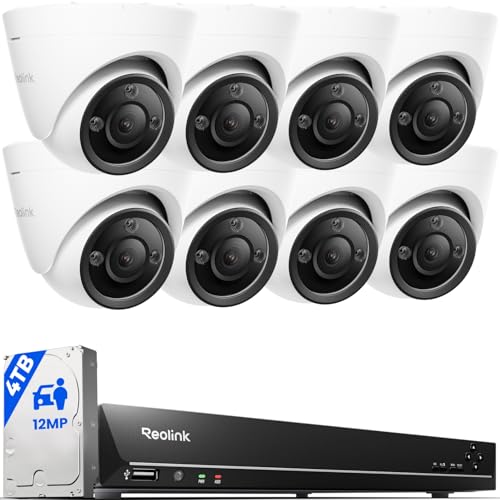
REOLINK 16CH 12MP PoE Security Camera System with 4TB HDD RLK16-1200D8-A | 8pcs H.265 12MP Security PoE Cams, Person Vehicle Pet Detection, Two-Way Talk, Spotlights Color Night Vision, home security
Check price on Amazon
ANNKE 8CH 3K Lite 2MP CCTV Wired Security Camera System Outdoor, 1TB HDD | AI Human/Vehicle Detection, 4pcs 1080P Analog Cams, 3.6mm Lens, Home & Business Surveillance, IP67, Outdoor Surveillance
Check price on AmazonFinal Thoughts
Choosing the right surveillance camera system is an investment in safety and peace of mind. Start by assessing your property, identifying blind spots, and deciding on wired vs. wireless. Prioritize resolution, night vision, and storage. Whether you opt for a simple window security camera or a full 16-camera PoE system, the key is matching the system to your actual needs—not overbuying or underprotecting.
Remember to check for camera deals if budget is tight, and consider refurbished cameras for significant savings. With the right setup, you'll have reliable surveillance for years to come.