
Trail Camera with Night Vision: The Ultimate Buying Guide
Capture stunning wildlife footage around the clock. Learn how to choose the perfect night vision trail camera for scouting, security, and wildlife observation.
VIEW TOP PICKSWhy Night Vision Matters: Most wildlife activity happens during dawn, dusk, and the dead of night. A trail camera with superior night vision is essential for capturing elusive animals, monitoring property, and gathering critical scouting data. This guide will help you understand the technology and choose the right model for your needs.
What Is a Trail Camera with Night Vision?
A trail camera, also known as a scouting camera, is a rugged, weather-resistant device designed to automatically capture photos and videos when motion is detected. The "night vision" component is what allows these cameras to function in complete darkness. This is achieved through either infrared (IR) technology or, in some cases, visible white flash. The most common and stealthy option is infrared, which uses LEDs to illuminate the scene without spooking wildlife.
When researching, you'll often see terms like "no glow" or "black flash." These refer to specific types of IR that are invisible to both humans and animals, making them ideal for security and wary game. Understanding the difference between these technologies is the first step in selecting a camera that fits your specific use case, whether it's for hunting, property surveillance, or simply observing backyard wildlife.
Key Features to Consider
Night Vision Range & Flash Type
The range of the IR flash determines how far the camera can "see" in the dark. Look for a range of at least 80 feet for general use. Flash type is critical: Red Glow is visible but offers the longest range and lowest cost; Black Flash (No-Glow) is invisible but has a shorter range and higher price.
Resolution & Image Quality
While megapixels aren't everything, a camera with at least 12MP is a good starting point. Many cameras use interpolation to achieve higher numbers, so a true 12MP sensor can outperform a fake 30MP one. For night vision, a sensor's low-light sensitivity is far more important than its peak resolution.
Trigger Speed & Recovery Time
Trigger speed is the time it takes for the camera to snap a photo after detecting motion. A fast trigger speed (under 0.3 seconds) is crucial for capturing fast-moving animals. Recovery time is how quickly it can take the next picture, which is vital for getting multiple shots of the same animal.
Detection Zone & PIR Sensor
The Passive Infrared (PIR) sensor detects heat and motion. A wider detection zone means the camera covers more area, but it can also lead to false triggers. Look for adjustable sensitivity settings to fine-tune performance. For specific mounting angles, consider a trail camera mount.
Power & Battery Life
Battery life is a major factor, especially in cold weather. Most cameras run on AA batteries, but 12V external power options are available. For remote locations, a solar-powered trail camera or a separate trail camera solar panel can be a game-changer.
Durability & Weather Resistance
Your camera will be exposed to the elements, so it needs to be built to last. Look for an IP66 or IP67 weather-resistance rating. A robust design ensures it will survive rain, snow, and extreme temperatures. A protective camera case can add an extra layer of security.
Infrared vs. Black Flash: Which Is Right for You?
Choosing between a standard infrared (red glow) and a black flash (no-glow) camera is one of the most important decisions you'll make. It's a trade-off between range, price, and stealth. Here's a breakdown:
| Feature | Infrared (Red Glow) | Black Flash (No-Glow) |
|---|---|---|
| Visibility | Emits a faint red glow, visible to humans and some animals | Completely invisible to humans and animals |
| Night Range | Generally longer (up to 100+ feet) | Generally shorter (up to 80 feet) |
| Image Quality | Excellent, often brighter in the dark | Good, but can be slightly grainier in low light |
| Cost | More affordable | More expensive |
| Best For | Property security, general wildlife viewing, budget-conscious buyers | Hunting wary game, covert security, observing nocturnal animals without disturbance |
For a dedicated motion-activated trail camera used for hunting, black flash is often preferred to avoid spooking deer and other game. For general security, a standard IR camera is a cost-effective and powerful tool.
Recommended Trail Cameras with Night Vision
⚠️ AFFILIATE DISCLOSURE: This website contains affiliate links. As an affiliate Associate, we earn from qualifying purchases. If you make a purchase through these links, we may receive a small commission at no additional cost to you. Read our full affiliate policy.
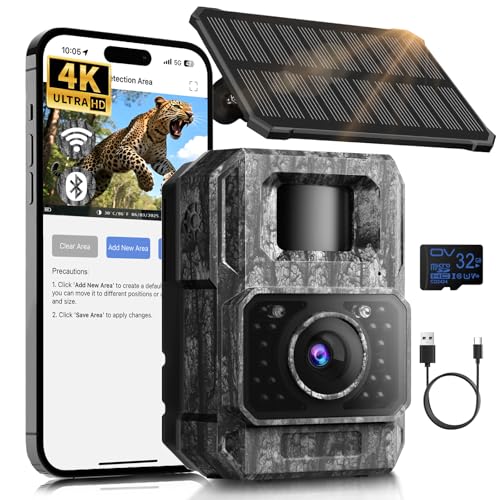
MAXDONE Solar Trail Camera, 4K 64MP WiFi Bluetooth Night Vision Game Camera | Trail Cam with Night Vision Motion Activated, 6000mAh Power & 32GB Included, Deer Cameras for Outdoor Backyard IP66
Check price on Amazon
WOSODA 2 Pack Trail Cameras with Night Vision Motion Activated Waterproof,48MP Game Camera,1080P HD Trail Cam with SD Card for Wildlife Monitoring,Outdoor Scouting & Security(Non-WiFi)
Check price on Amazon
WOSPORTS Trail Camera(Non-Cellular Non-WiFi) 64MP 4K 0.2S Trigger Motion Activated,Game Camera with No-Glow Night Vision 2.0''LCD 120°Wide for Outdoor Scouting Wildlife Monitoring Home Security
Check price on Amazon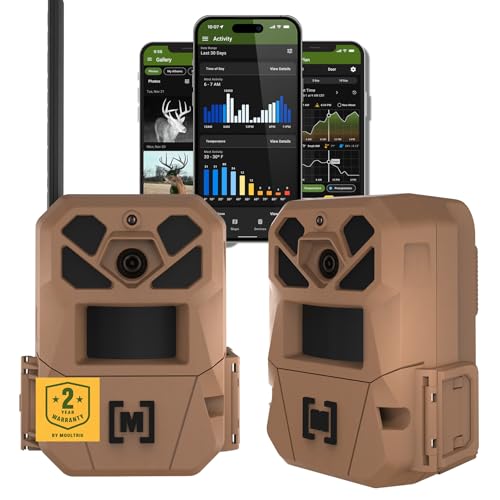
Moultrie Edge 3 Cellular Trail Camera - 2-Pack, 40MP, 0.5s Trigger | Scout from Anywhere, HD photos via Mobile app, 1080p video, multi-carrier, low-glow flash, GPS, Two Pack
Check price on Amazon
SPYPOINT Flex-M Twin, Cellular Trail Camera, Night Vision, Free Photo Plan | Auto Multi Cell-Network, LTE, GPS, Waterproof, 0.5 Second Trigger, 28MP Photo, 720p Video+ Sound, 90Ft Motion Dection & Flash
Check price on Amazon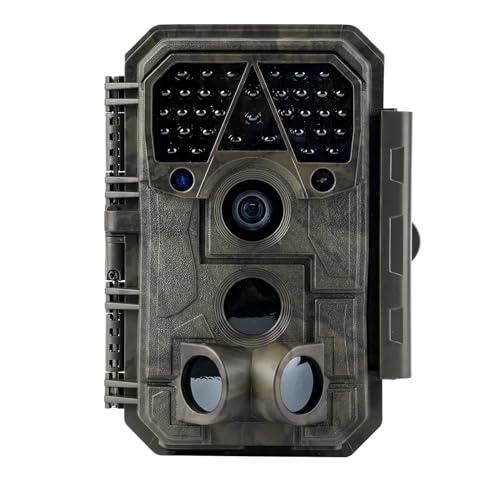
Meidase P70 (Non-Cellular,Non-WiFi) Trail Camera, 64MP 1296p, Game Cameras with No-Glow IR Night Vision, Motion Activated, Waterproof for Wildlife Deer Cams, Hunting
Check price on Amazon
CEYOMUR Trail Camera, 36MP HD Trail Cam with Night Vision Motion Activated | 850nm IR LEDs, Video Game Camera with 2.0" Color Screen, IP66 Waterproof for Wildlife Monitoring
Check price on AmazonInstallation & Placement Tips
Proper placement is key to getting the best results from your night vision trail camera. Position the camera at a height of about 3 to 4 feet, angled slightly downward. This mimics the eye level of many animals and provides a good view of the trail. Clear any tall grass or branches in front of the camera to prevent false triggers and obstructed views.
For security purposes, mount the camera out of reach, about 8 to 10 feet high, and angle it downwards. A tripod tree stand or a dedicated trail camera mount can provide secure and adjustable positioning. Ensure the camera is not facing directly east or west to avoid false triggers from the rising and setting sun. If you're setting up a camera for home security, you might also consider a camera that doesn't need WiFi for remote locations.
Maintenance & Care for Longevity
To ensure your trail camera lasts for years, regular maintenance is essential. Wipe the lens and PIR sensor with a soft, dry cloth to remove dust and water spots. Check the battery contacts for corrosion and replace batteries at the start of each season. If you're using a solar-powered model, ensure the panel is clean and free of debris.
During off-season storage, remove the batteries to prevent leakage and store the camera in a cool, dry place. A protective case can keep it safe from bumps and scratches. If you're using your camera for security, you might want to explore options like an outdoor camera without a subscription to avoid ongoing fees.
Frequently Asked Questions
The range depends on the type of IR flash. Standard red glow cameras can reach up to 100 feet or more. Black flash (no-glow) cameras typically have a shorter range, usually around 60 to 80 feet. Always check the manufacturer's specified "night vision range" before purchasing.
No, most standard trail cameras store footage on an SD card and do not require any network connection. However, cellular trail cameras are available. These can send photos directly to your phone but require a monthly data plan. If you want to avoid subscriptions, look for a standard camera that doesn't need WiFi.
A true 12MP resolution is generally sufficient for most users. Many cameras advertise higher numbers like 20MP or 30MP, but this is often achieved through software interpolation, which doesn't add real detail. A camera with a good sensor and a true 12MP resolution will provide excellent image quality, especially at night.
Absolutely. Trail cameras are excellent for home security, especially in remote areas or where running power and network cables is difficult. They are weather-resistant, motion-activated, and have great night vision. For a more permanent setup, you might consider a surveillance camera system, but a trail camera is a fantastic standalone solution.
False triggers are often caused by moving branches, tall grass, or direct sunlight. To minimize them, clear the area in front of the camera, avoid aiming it directly east or west, and adjust the PIR sensor sensitivity settings if available. Mounting the camera on a sturdy trail camera mount or tripod tree stand will also reduce movement from wind.
Ready to Capture the Night?
Now that you understand the key features, you're ready to choose the perfect trail camera with night vision for your needs. Explore our top recommendations and start your next adventure.
VIEW RECOMMENDED MODELS