
Camera Holder Buying Guide: Tripods, Mounts & Stabilizers
Find the perfect camera holder for stability, vlogging, photography, and video production. Compare tripods, phone mounts, gimbals, and camera sticks to support your gear with confidence.
START EXPLORINGWhy a Camera Holder Matters: A reliable camera holder is the foundation of sharp photos and smooth videos. Whether you need a phone holder for camera tripod, a heavy-duty tripod, or a handheld camera stabilizer, choosing the right support system prevents blur, reduces fatigue, and unlocks creative angles you simply can't achieve handheld.
What Is a Camera Holder and Why Do You Need One?
A camera holder is any device designed to secure your camera or smartphone in a fixed, stable position. This broad category includes traditional tripods, monopods, camera mounts, gimbals, camera sticks, and specialized holders for helmets, cars, and even handheld camera rigs. The primary purpose is simple: eliminate camera shake and free your hands so you can focus on composition, lighting, and storytelling.
For photographers and videographers, the choice of camera holder directly impacts image quality. A shaky handheld shot can ruin an otherwise perfect moment, while a sturdy tripod enables long exposures, time-lapses, and precise framing. Vloggers rely on camera sticks and gimbals to capture smooth walking shots, while content creators use camera gimbal stabilizers for cinematic movement. Even casual users benefit from a simple mini tripod for phone when taking group photos or recording video calls.
Who Needs a Camera Holder?
- Photographers shooting landscapes, portraits, or macro
- Vloggers and YouTubers recording talking-head videos
- Travelers capturing stable travel footage
- Content creators filming product reviews or tutorials
- Families taking group photos and holiday videos
- Professionals needing precise, repeatable camera positioning
Key Benefits of Using a Camera Holder
- Eliminates camera shake for sharp images
- Enables long exposure and low-light photography
- Provides consistent framing for video and time-lapse
- Reduces physical fatigue during long shoots
- Unlocks creative angles and perspectives
- Protects your camera from accidental drops
Types of Camera Holders: Which One Suits Your Needs?
The market offers a wide range of camera holders, each designed for specific use cases. Understanding the differences helps you avoid overspending on features you don't need or settling for a holder that can't support your gear. Below is a breakdown of the most common types, along with their typical price ranges and best-use scenarios.
| Type | Best For | Typical Price Range | Key Feature |
|---|---|---|---|
| Tripod | Photography, video, long exposure | $30–$400 | Three-legged stability, adjustable height |
| Monopod | Sports, wildlife, travel | $20–$150 | Single-leg support, portability |
| Gimbal Stabilizer | Vlogging, cinematic video | $80–$500 | Motorized stabilization, smooth motion |
| Camera Stick | Vlogging, selfies, action sports | $15–$80 | Extendable pole, compact |
| Phone Mount | Smartphone photography, video calls | $10–$50 | Universal phone compatibility |
| Helmet Mount | Action sports, POV footage | $15–$60 | Hands-free, first-person view |
| Car Mount | Dashcam, road trips, vlogging | $15–$80 | Suction or adhesive, vibration dampening |
For those who need a holder specifically for a helmet-mounted action camera, a dedicated camera for helmet setup ensures secure attachment during high-motion activities. Similarly, drivers looking to record their journeys should consider a camera for inside car mount that minimizes vibration and maintains a clear view of the road.
How to Choose the Right Camera Holder
Selecting a camera holder is not just about picking the cheapest or most expensive option. You need to match the holder's weight capacity, build material, and mounting mechanism to your specific camera and use case. Here are the critical factors to evaluate before buying.
1. Weight and Payload Capacity
The most important specification is payload capacity. Compact cameras and smartphones weigh less than 1 kg, while professional DSLRs with telephoto lenses can exceed 3 kg. A holder that cannot support your gear is a liability, not an asset. If you shoot with a full-frame camera and heavy lenses, invest in a sturdy tripod or gimbal rated for at least 4 kg.
2. Material and Build Quality
Camera holders are typically made from aluminum, carbon fiber, or high-impact plastic. Aluminum offers a good balance of strength and affordability, while carbon fiber is lighter but more expensive. Plastic holders are suitable for lightweight setups but may flex under load. For outdoor and travel photography, carbon fiber tripods are worth the investment due to their portability and vibration dampening.
3. Mounting Mechanism and Compatibility
Most cameras use a standard 1/4"-20 screw mount, but some accessories require a 3/8" thread or quick-release plate. If you use a smartphone, a phone camera mount with adjustable jaws is essential. For action cameras, proprietary mounts like GoPro's system are common. Always verify that your chosen holder includes the correct plate or adapter for your device.
4. Portability and Folded Size
If you travel frequently, the folded length and weight of your camera holder matter. A full-size tripod may be too bulky for carry-on luggage, while a mini tripod for phone or compact camera stick fits easily in a backpack. Consider how often you'll carry the holder versus how much stability you need.
5. Head Type and Adjustability
Tripod heads come in three main types: ball heads, pan-and-tilt heads, and fluid heads. Ball heads are compact and quick to adjust, ideal for photography. Pan-and-tilt heads offer precise control for video. Fluid heads provide smooth pans and tilts for professional videography. Your choice depends on whether you prioritize speed, precision, or smooth motion.
Pros and Cons of Popular Camera Holder Types
Tripods
- Maximum stability for long exposures
- Adjustable height and angle
- Compatible with most cameras
- Available in all price ranges
Tripods
- Bulky and heavy to carry
- Slow to set up in crowded areas
- Can be unstable on uneven ground
- Higher-end models are expensive
Gimbal Stabilizers
- Buttery-smooth video motion
- Great for walking and tracking shots
- Motorized auto-leveling
- Professional cinematic results
Gimbal Stabilizers
- Requires balancing and calibration
- Battery life limits shooting time
- Expensive compared to tripods
- Can be heavy for all-day use
Camera Sticks
- Ultra-portable and lightweight
- Quick to deploy for selfies
- Affordable entry-level option
- Great for travel and vlogging
Camera Sticks
- Limited stability in wind
- Not suitable for heavy cameras
- Fixed height options are limited
- Can introduce hand shake
How to Use a Camera Holder Effectively
Owning a camera holder is only half the battle; using it correctly ensures you get the sharpest, most professional results. Here are practical tips for maximizing stability and creative control.
1. Stabilize on uneven ground: When using a tripod outdoors, spread the legs wide and use the center column sparingly. Hanging a weighted bag from the center hook can improve stability in windy conditions.
2. Use a remote or timer: Even with a tripod, pressing the shutter button can introduce micro-shake. Use a remote shutter release, your camera's self-timer, or a smartphone app to trigger the shutter without touching the camera.
3. Balance your gimbal: Before powering on a gimbal stabilizer, balance your camera on all three axes. Proper balancing extends battery life, reduces motor strain, and produces smoother footage. If you're new to gimbals, practice with a lightweight setup before moving to heavier gear.
4. Use the right mount for the activity: A camera for helmet mount is ideal for skiing, cycling, or motorcycling, while a head-mounted camera offers a POV perspective for hands-free recording. For driving, a camera for inside car mount keeps your dashcam or vlogging camera secure.
5. Protect your investment: Store your camera holder in a padded case when not in use. Regularly check screws, locks, and quick-release plates for wear. A loose plate can cause your camera to fall, resulting in costly repairs.
Common Mistakes to Avoid When Buying a Camera Holder
Many buyers regret their camera holder purchase because they overlook critical details. Here are the most common pitfalls and how to avoid them.
Mistake 1: Ignoring payload capacity. Buying a cheap tripod for a heavy camera setup leads to sagging, vibration, and potential collapse. Always check the maximum load rating and leave a safety margin.
Mistake 2: Choosing portability over stability. Ultra-light travel tripods are convenient, but they may not handle windy conditions or heavy lenses. If stability is your priority, accept the extra weight.
Mistake 3: Overlooking compatibility. Not all mounts fit all cameras. A phone holder for camera tripod may not accommodate a thick phone case, and some quick-release plates are proprietary. Verify compatibility before purchasing.
Mistake 4: Skipping the quick-release system. A quick-release plate lets you attach and detach your camera in seconds. Without it, you'll spend frustrating minutes screwing and unscrewing your camera every time you switch between handheld and tripod shooting.
Mistake 5: Neglecting after-sales support. Camera holders endure wear and tear. Choose brands with accessible spare parts, warranties, and responsive customer service. A slightly higher upfront cost often pays off in longevity.
Frequently Asked Questions About Camera Holders
For vlogging, a compact camera stick or a lightweight gimbal stabilizer is ideal. A camera stick offers portability and quick setup for selfie-style videos, while a gimbal provides smooth, cinematic motion for walking shots. If you vlog with a smartphone, a phone holder for camera tripod combined with a mini tripod gives you flexible framing options.
Yes, but you need a holder rated for the weight. A professional tripod with a payload capacity of at least 4 kg is recommended for a full-frame camera with a heavy lens. Avoid flimsy plastic holders, which can flex or break under load. Carbon fiber tripods offer excellent strength-to-weight ratios for heavy gear.
Budget $30–$80 for a basic aluminum tripod suitable for lightweight cameras. Mid-range options ($100–$250) offer better stability and features for enthusiasts. Professional-grade tripods and gimbals range from $300–$800. For casual smartphone use, a mini tripod for phone under $30 is often sufficient.
A tripod has three legs and provides maximum stability, making it ideal for long exposures and static shots. A monopod has a single leg, offering portability and quick setup for sports and wildlife photography where mobility matters more than perfect stability. Monopods are also easier to use in crowded spaces.
Gimbals are primarily designed for video, not still photography. For photos, a tripod is more practical and cost-effective. However, if you shoot hybrid content (both photo and video), a gimbal can be a worthwhile investment for smooth video sequences. For pure photography, prioritize a sturdy tripod instead.
Final Thoughts: Invest in Stability for Better Results
A camera holder is one of the most underrated accessories in a photographer's kit. It doesn't just hold your camera; it unlocks creative possibilities, protects your gear, and elevates the quality of your work. Whether you're a casual smartphone shooter or a professional videographer, there's a camera holder designed for your needs and budget.
Before you buy, assess your camera's weight, your shooting style, and your portability requirements. A camera holder that matches your workflow will quickly become an indispensable tool. For those exploring specialized mounts, consider a phone camera mount for smartphone flexibility or a camera gimbal stabilizer for cinematic video. And if you're capturing action sports, a camera for helmet setup ensures you never miss a moment.
Explore our recommended camera holders below to find the perfect match for your gear. With the right support system, you'll shoot sharper, smoother, and more confidently than ever before.
Recommended Camera Holders
⚠️ AFFILIATE DISCLOSURE: This website contains affiliate links. As an affiliate Associate, we earn from qualifying purchases. If you make a purchase through these links, we may receive a small commission at no additional cost to you. Read our full affiliate policy.

EUCOS 62" Phone Tripod, Tripod for iPhone & Selfie Stick with Remote | Extendable Cell Phone Stand & Ultimate Phone Holder, Solidest Phone Stand Compatible with iPhone/Android
Check price on Amazon
Selfie Stick Tripod for Phone with Remote Control & Holder, 50 Inch, Black | Extendable Selfie Stick Travel for iPhone, iPhone Tripod for Video Recording
Check price on Amazon
SMALLRIG 22" Magic Arm Clamp, Overhead Phone Mount Holder Stand, Camera Arm | Flexible Desk Camera Mount, Articulating Friction Boom Arm, for POV Shot, Filming, Light, Webcam, Action Camera
Check price on Amazon
SAIJI Gooseneck Bed Phone Holder, Flexible Long Arm Phone Mount for Desk, Clip Bracket Clamp Stand, iPhone Stand, Mobile Cell Phone Stand Document Camera Nintendo Switch (Black)
Check price on Amazon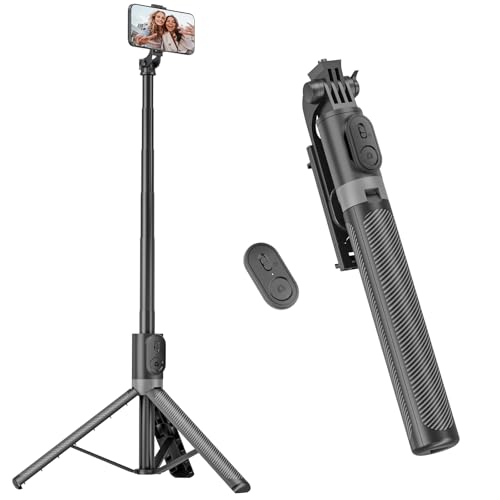
RISEOFLE 71” Phone Tripod & Selfie Stick, Portable All in One Extendable Cell Phone Tripod Stand, with Wireless Remote Control for iPhone/Samsung/Android/Camera
Check price on Amazon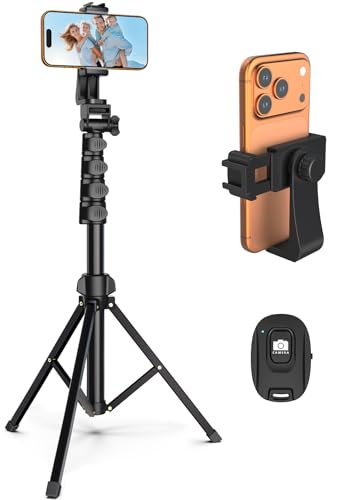
Liphisy 64” Tripod for Cell Phone & Camera with Remote and Phone Holder | Sturdy & Stable Height Adjustable Multi-Angle Shot Selfie Stick Tripod for Video Recording
Check price on Amazon
KINGKI Mobile Phone Chest Strap Harness Mount Head Strap Holder Kit for POV/VLOG,Cell Phone Clip Compatible with iPhone,Samsung,GoPro Hero 12, 11,10, 9, 8, AKASO,DJI Osmo,and Action Cameras…
Check price on Amazon