
Camera Lenses for Wildlife Photography
Master the art of capturing animals in their natural habitat. Discover the right focal lengths, apertures, and lens types to bring your wildlife images to life.
Why Wildlife Photography Demands the Right Lens: Wildlife photography is one of the most rewarding yet challenging genres. Unlike studio work, you cannot control your subject's distance, lighting, or behavior. This is where the camera lens becomes your most critical tool. A lens with the right reach, speed, and sharpness can mean the difference between a blurry snapshot and a breathtaking portrait.
This guide will walk you through everything you need to know about choosing a lens for wildlife photography, from focal length and aperture to specific lens types and budget considerations. Whether you are just starting out or looking to upgrade, we will help you make an informed decision.
Key Lens Specifications for Wildlife
Focal Length
The most important spec. For wildlife, you need at least 300mm, but 400mm–600mm is ideal for most situations. Super-telephoto lenses (600mm+) are essential for small or distant subjects like birds.
Aperture
A fast aperture (f/2.8 or f/4) is crucial for low-light conditions and achieving a shallow depth of field. It also allows for faster shutter speeds to freeze motion. Budget lenses often have f/5.6–f/6.3, which can be limiting.
Image Stabilization
Also known as Vibration Reduction (VR) or Optical Stabilization (OS). This is vital for handheld shooting, especially with heavy telephoto lenses. It helps reduce camera shake blur.
Autofocus Speed & Accuracy
Wildlife moves fast. A lens with a fast, silent, and accurate autofocus motor (like USM, SSM, or STM) is essential for tracking birds in flight or running animals.
Weather Sealing
Wildlife photography often takes you into harsh environments—rain, dust, and extreme temperatures. A weather-sealed lens protects your investment and ensures reliable performance.
Weight & Size
Telephoto lenses are heavy. Consider the balance with your camera body and your ability to carry it for extended periods. A lighter lens may be more practical for hiking.
Types of Lenses for Wildlife Photography
- Telephoto Zoom Lenses (70-200mm, 100-400mm, 150-600mm): Versatile and flexible. Great for a variety of subjects and situations. Ideal for beginners and enthusiasts who want one lens to do it all.
- Super-Telephoto Prime Lenses (400mm, 500mm, 600mm): The gold standard for professional wildlife photography. They offer superior sharpness, faster apertures, and better autofocus performance, but are heavy and expensive.
- Teleconverters: A cost-effective way to increase your focal length. A 1.4x or 2x teleconverter multiplies your lens's focal length but reduces the maximum aperture and can slightly degrade image quality.
- Mirrorless Lenses: Designed for mirrorless camera systems. They are generally lighter and more compact than their DSLR counterparts, making them a great choice for handheld wildlife shooting. If you are considering a mirrorless system, explore our guide to mirrorless cameras for wildlife photography.
Wildlife Lens Budget Guide
Lenses for wildlife photography can range from a few hundred dollars to well over ten thousand. Here is a realistic breakdown of what you can expect at different price points:
| Budget Category | Typical Focal Length | Aperture Range | Price Range (USD) |
|---|---|---|---|
| Entry-Level | 70-300mm | f/4.5-6.3 | $300–$700 |
| Enthusiast | 100-400mm, 150-600mm | f/4.5-6.3 | $800–$2,000 |
| Professional | 400mm, 500mm Prime | f/2.8 or f/4 | $2,500–$7,000 |
| Flagship | 600mm Prime | f/4 | $10,000+ |
For beginners, a budget-friendly option like a 70-300mm lens is a great starting point. If you are just getting into wildlife photography, you might also be interested in our guide to beginner cameras for wildlife photography.
Essential Tips for Wildlife Lens Success
- Master Your Autofocus: Learn to use continuous autofocus (AF-C) and back-button focus to track moving subjects accurately.
- Use a Monopod or Tripod: For heavy lenses, a monopod provides stability without the bulk of a tripod. A gimbal head is ideal for fluid movement.
- Practice Panning: This technique involves moving your camera along with your subject to keep it sharp while blurring the background.
- Get Low: For a more intimate perspective, get down to the animal's eye level. This creates a stronger connection with the viewer.
- Understand Your Subject: Learn about animal behavior. Anticipating their movements will help you get the shot.
Recommended Camera Lenses for Wildlife Photography
⚠️ AFFILIATE DISCLOSURE: This website contains affiliate links. As an affiliate Associate, we earn from qualifying purchases. If you make a purchase through these links, we may receive a small commission at no additional cost to you. Read our full affiliate policy.

Canon EOS Rebel T7 DSLR Camera Double Zoom Lens Kit | EF-S 18-55mm & EF 75-300mm Lenses, 24.1 Megapixel CMOS (APS-C) Sensor, Full HD Videos, Wi-Fi, Beginner Photographers
Check price on Amazon
Canon RF200-800mm F6.3-9 is USM Lens | Mirrorless Super-telephoto Zoom Lens, Powerful Zoom Range, For Wildlife, Nature, Outdoor Sports, Compact & Lightweight
Check price on Amazon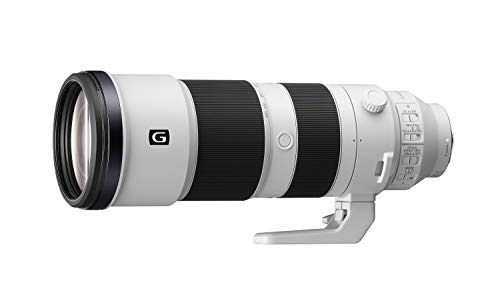
Sony FE 200-600mm f/5.6-6.3 G OSS Super Telephoto Zoom Lens
Check price on Amazon
APEXEL 36X Telephoto Lens for iPhone and Android, Phone Camera Lens Kit | With Metal Tripod, Manual Focus and Universal Clip for Birdwatching, Wildlife, Travel and Sports
Check price on Amazon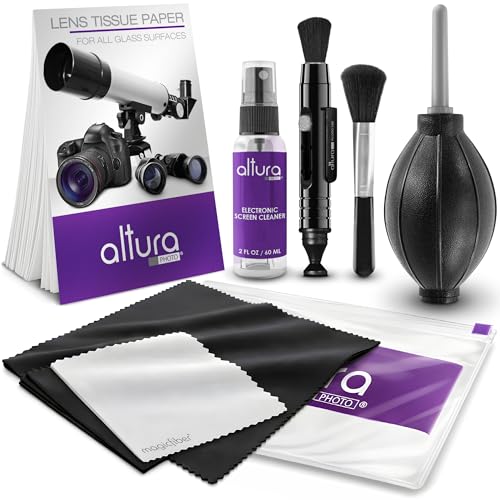
Altura Photo Camera Lens Cleaning Kit, Lens Cleaner for DSLR & Mirrorless | Keeps Gear Spotless & Scratch-Free, Includes Cleaner, Swabs, Pen, Blower, Brush, Cloth & Hard Case
Check price on Amazon
Canon RF 100-400mm f/5.6-8 IS USM Lens (5050C002) Bundle | For Wildlife & Sports Photography | Nano USM AF | Optical Image Stabilization | Includes 64GB Memory Card + Camera Bag
Check price on Amazon
JINTU 420-800mm f/ 8.3 Manual Telephoto Zoom Lens + T-Mount for Canon EOS Rebel SL2 SL1 T3 T3i T4i T5 T5i T6 T6i T6s T7 T7i 4000D 6D 7D 60D 70D 77D 80D 5D II/III/IV 550D 650D SLR Camera Lenses
Check price on Amazon
Fujifilm Fujinon XF70-300mmF4-5.6 LM OIS WR | 9-Blade Aperture, 2.7 ft Close Focus, ED Glass Elements
Check price on AmazonFrequently Asked Questions
What is the best focal length for wildlife photography?
Is a prime lens better than a zoom lens for wildlife?
Do I need a full-frame camera for wildlife photography?
How can I stabilize a heavy telephoto lens?
Ready to Capture the Wild?
Choosing the right lens is the first step toward stunning wildlife photography. Explore our recommended lenses above and start your journey today. If you are still looking for the perfect camera body to pair with your lens, check out our guide on what camera you should get to start photography.
View Recommended Lenses