
Mirrorless Cameras for Wildlife Photography: The Ultimate Guide
Capture breathtaking images of birds in flight, elusive mammals, and fast-moving predators. Discover why mirrorless is the future of wildlife photography.
Explore Top PicksWildlife photography is one of the most demanding genres in photography. It requires split-second timing, exceptional autofocus, high burst rates, and lenses that reach across vast distances. For years, DSLRs were the undisputed kings of this domain. However, mirrorless cameras have rapidly evolved to become the preferred tool for professional wildlife photographers.
In this comprehensive guide, we will explore why mirrorless cameras excel in wildlife photography, what specifications truly matter, and how to choose the right system for your needs. Whether you are a beginner looking for your first beginner camera for nature photography or a seasoned pro seeking an upgrade, this guide will help you make an informed decision.
Why Mirrorless Cameras Dominate Wildlife Photography
Mirrorless cameras offer several distinct advantages over traditional DSLRs for wildlife shooters:
- Advanced Autofocus: Subject detection AI can track animal eyes and bodies with incredible accuracy, even in cluttered environments.
- Silent Shooting: Electronic shutters eliminate mirror slap, allowing you to shoot without disturbing skittish animals.
- High Burst Rates: Many mirrorless cameras shoot 20, 30, or even 120 frames per second with continuous autofocus.
- Real-Time Exposure Preview: See exactly how your exposure changes affect the image before you press the shutter.
- Compact & Lightweight: Reduced weight makes long treks through the wilderness far more manageable.
- In-Body Image Stabilization (IBIS): Critical for hand-holding long telephoto lenses in low light.
These features combine to give wildlife photographers a significant edge when capturing fast, unpredictable subjects. For those interested in other action-oriented photography, you might also explore our guide on cameras for sports photography.
Key Features to Look For in a Wildlife Mirrorless Camera
Not all mirrorless cameras are created equal. When choosing a camera for wildlife, prioritize these specifications:
1. Autofocus System
The autofocus system is arguably the most important factor. Look for cameras with AI-based subject detection specifically tuned for animals, birds, and wildlife. The ability to track an animal's eye or head as it moves through brush is a game-changer.
2. Burst Rate & Buffer
Wildlife action happens in milliseconds. A camera that shoots 15-30 fps with a deep buffer allows you to capture the perfect moment, whether it's a cheetah sprinting or a kingfisher diving.
3. Sensor Size & Resolution
Full-frame sensors offer better low-light performance and shallower depth of field. APS-C sensors provide a crop factor that effectively extends your telephoto reach. High resolution (45MP+) allows for aggressive cropping, which is often necessary in wildlife photography.
4. Lens Ecosystem
A camera is only as good as the lenses available for it. You will need telephoto lenses reaching 400mm, 600mm, or even 800mm. Consider the availability and cost of native lenses, as well as the ability to use adapters for DSLR glass. A standard zoom lens can be useful for environmental shots, but a dedicated super-telephoto is essential.
5. Weather Sealing
Wildlife photography often takes place in rain, dust, and extreme temperatures. Robust weather sealing is non-negotiable for professional-grade gear.
6. Battery Life
Mirrorless cameras historically had weaker battery life than DSLRs. Modern models have improved significantly, but always carry spare batteries. For extended field sessions, a solar panel can be a lifesaver for charging in remote locations.
Top Mirrorless Camera Recommendations for Wildlife
Based on current market offerings, here are the standout mirrorless cameras for wildlife photography. Prices are approximate and vary by retailer and kit configuration.
Sony Alpha 1 II
$6,500
50MP full-frame, 30fps blackout-free shooting, AI-based Real-time Recognition AF for birds and animals. The ultimate do-it-all wildlife machine.
Canon EOS R5 Mark II
$4,300
45MP full-frame, 30fps electronic, advanced Dual Pixel AF II with animal eye detection. Excellent for both stills and 8K video.
Nikon Z8
$3,800
45MP full-frame, 20fps raw, 120fps JPEG. Inherits flagship Z9 autofocus in a smaller body. Superb build quality and ergonomics.
OM System OM-1 Mark II
$2,400
20MP Micro Four Thirds, 120fps sequential shooting, IP53 weather sealing. The 2x crop factor doubles your telephoto reach.
Fujifilm X-H2S
$2,500
26MP APS-C, 40fps blackout-free, AI subject detection for animals and birds. Great value for crop-sensor shooters.
Sony Alpha 6700
$1,400
26MP APS-C, 11fps, AI-based subject recognition. A fantastic entry-point for enthusiasts wanting pro-level AF on a budget.
Lens Choices for Wildlife Mirrorless Systems
Your lens is just as important as your camera body. Here are the key considerations:
- Focal Length: 400mm is the minimum for most wildlife. 500mm-600mm is ideal. Zoom lenses offer flexibility; primes offer superior sharpness and speed.
- Aperture: Fast apertures (f/2.8, f/4) allow more light and better background separation. However, they are heavy and expensive.
- Teleconverters: These multiply your focal length (1.4x, 2x) but reduce maximum aperture and can soften images slightly.
- Adapters: If you have existing DSLR glass, adapters allow you to use them on mirrorless bodies, often with near-native performance.
For those just starting, a superzoom camera might be a more budget-friendly alternative. You can read about options in our superzoom camera guide. Additionally, a sturdy hard case is essential for protecting your expensive telephoto lenses during travel.
Techniques for Success with Mirrorless Wildlife Cameras
Gear alone does not make a great wildlife photographer. Master these techniques to maximize your hit rate:
- Practice Panning: Smooth panning is essential for tracking moving animals. Use a gimbal head on a sturdy tripod.
- Master Your AF Modes: Learn to switch between wide-area tracking, zone AF, and single-point AF depending on the scene.
- Use Back-Button Focus: Decouple focus from the shutter button for greater control.
- Understand Animal Behavior: Anticipate movement. The best wildlife photographers are also naturalists.
- Patience is Key: The perfect shot often requires hours of waiting in a hide or blind.
If you are also interested in capturing wildlife at night, consider a dedicated outdoor night vision camera for wildlife to complement your mirrorless kit.
Recommended Mirrorless Cameras for Wildlife Photography
⚠️ AFFILIATE DISCLOSURE: This website contains affiliate links. As an affiliate Associate, we earn from qualifying purchases. If you make a purchase through these links, we may receive a small commission at no additional cost to you. Read our full affiliate policy.
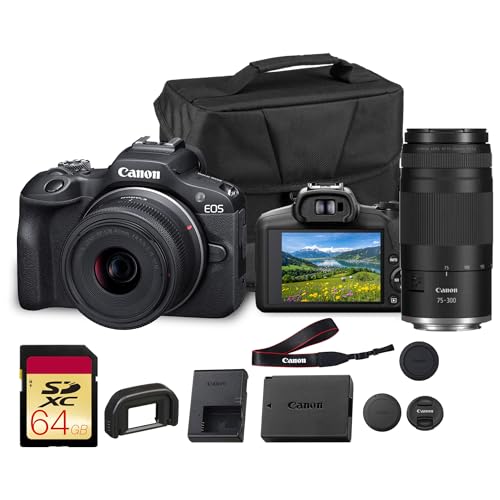
Canon EOS R100 Mirrorless Camera with 18-45mm & 75-300mm Double Lens Bundle | For Photography & Video | 24.2MP APS-C Mirrorless Camera | 4K Video | Dual Pixel Autofocus + 64GB Memory Card + Camera Bag
Check price on Amazon
Canon EOS R6 Mark II Mirrorless Camera (Body Only) | Full-Frame Camera, 24.2 Megapixel CMOS Sensor, Photo & Video Capabilities
Check price on Amazon
Canon EOS R7 Mirrorless Camera with 75-300mm Lens (5137C002) Bundle | For Wildlife & Sports | 32.5MP APS-C Mirrorless Camera | 4K 60p Video | In-Body Stabilization + 64GB Memory Card + Camera Bag
Check price on Amazon
Canon EOS R7 Mirrorless Camera (Body Only) | Hybrid Camera, 32.5 Megapixel (APS-C) CMOS Sensor, 4K Video, for Sports, Action, Content Creators, Vlogging Camera
Check price on Amazon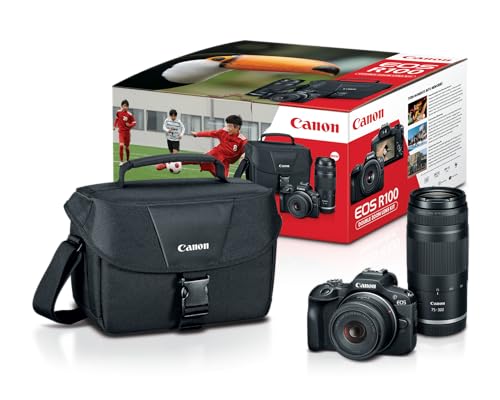
Canon EOS R100 Double Zoom Lens Kit, Black | Optical Image Stabilization provides up to 4 stops of correction, Dual Pixel CMOS AF with Eye Detection ensures fast
Check price on Amazon
Canon EOS R6 Mark II Mirrorless Camera with 24-105mm Lens Bundle | For Photography & Video | 24.2MP Full-Frame Mirrorless Camera | 4K 60p Video + 64GB Memory Card + Camera Bag
Check price on Amazon
Canon EOS RP Mirrorless Camera RF24-105mm Lens F4-7.1 is STM Lens Kit | Full-Frame Interchangeable Lens Camera, Compact & Lightweight for Traveling & Vlogging
Check price on Amazon
Canon EOS R7 Mirrorless Camera with RF 100-500mm Lens (4112C002) Bundle | For Wildlife and Sports | 32.5MP APS-C Sensor 4K 60p Video | In-Body Stabilization | Includes 64GB Memory Card + Camera Bag
Check price on AmazonFinal Thoughts: Choosing Your Wildlife Mirrorless Companion
Mirrorless cameras have not just caught up to DSLRs for wildlife photography—they have surpassed them. The combination of AI-driven autofocus, silent shooting, and high-speed burst rates makes them indispensable tools for capturing the natural world in all its fleeting glory.
When making your decision, prioritize autofocus performance and lens availability above all else. A camera that nails focus on a bird's eye in a split second is worth more than one with slightly higher resolution. Consider your budget, your preferred sensor size, and the weight you are willing to carry.
Invest in quality glass, practice your fieldcraft, and you will be rewarded with images that do justice to the magnificent creatures you seek to photograph. For more foundational knowledge, explore our mirrorless cameras for wildlife photography hub and related guides on this site.