Solar-Powered Outdoor Security Camera Reviews
Compare the best solar-powered outdoor security cameras. Learn which models offer reliable performance, weather resistance, and seamless solar integration.
Read More →
Everything you need to know about choosing, sizing, and installing solar panels for your home, business, or outdoor security cameras. Expert insights for smart energy decisions.
START YOUR SOLAR JOURNEYWhy Solar Panels Matter: Solar panels have become one of the most practical investments for homeowners and businesses alike. With rising electricity costs and growing environmental concerns, understanding how to select the right solar panel system is essential. This guide walks you through every consideration—from panel types and efficiency ratings to installation costs and real-world performance.
Solar panels convert sunlight into electricity using photovoltaic (PV) cells. Whether you are looking to reduce your monthly energy bill, power a remote solar-powered outdoor security camera, or achieve energy independence, the right solar panel system starts with understanding your specific needs. Most residential solar panels today range from $150 to $400 per panel, with complete home systems typically costing between $8,000 and $25,000 before tax incentives.
The market offers three main types of solar panels: monocrystalline, polycrystalline, and thin-film. Monocrystalline panels are the most efficient, converting 20–24% of sunlight into electricity, making them ideal for roofs with limited space. Polycrystalline panels offer slightly lower efficiency at 15–18% but come at a lower price point. Thin-film panels are flexible and lightweight, often used for specialized applications like portable solar chargers and solar-powered security cameras with built-in chargers.
When evaluating solar panels, pay close attention to the efficiency rating, temperature coefficient, and warranty. A panel's efficiency determines how much power it generates per square foot, which matters greatly if you have limited installation space. The temperature coefficient indicates how well the panel performs in hot conditions—a critical factor if you live in a warm climate. Most quality panels come with a 25-year performance warranty, guaranteeing they will still produce at least 80% of their rated output after two decades.
⚠️ AFFILIATE DISCLOSURE: This website contains affiliate links. As an affiliate Associate, we earn from qualifying purchases. If you make a purchase through these links, we may receive a small commission at no additional cost to you. Read our full affiliate policy.


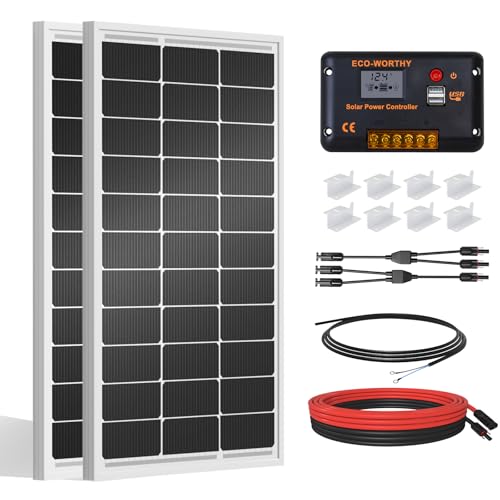
Selecting the right solar panel system requires balancing your energy needs, available installation space, budget, and long-term goals. Start by calculating your average monthly electricity consumption in kilowatt-hours (kWh). Most homes consume between 800 and 1,200 kWh per month, which translates to a system size of 6 to 10 kilowatts. A professional solar installer can help you determine the exact system size, but understanding the basics empowers you to make informed decisions.
Consider your roof's orientation and shading. South-facing roofs receive the most sunlight in the Northern Hemisphere, while east- and west-facing roofs still perform well but may require more panels to achieve the same output. If your roof is shaded or unsuitable, ground-mounted solar arrays offer an excellent alternative. For those powering smaller devices, a standalone solar panel paired with a battery bank can keep your security cameras running even in remote locations.
Battery storage is another critical component. While grid-tied systems without batteries are the most cost-effective, adding a battery allows you to store excess energy for nighttime use or outages. Lithium-ion batteries are the current standard, offering 10–15 years of lifespan and deep discharge capabilities. If you are powering a wireless outdoor security camera, a smaller 10–50W solar panel with a compact battery is usually sufficient and costs between $30 and $120.
| Panel Type | Efficiency | Cost per Watt | Best For |
|---|---|---|---|
| Monocrystalline | 20–24% | $0.90–$1.50 | Limited roof space, maximum output |
| Polycrystalline | 15–18% | $0.70–$1.10 | Budget-conscious installations |
| Thin-Film | 10–13% | $0.50–$0.90 | Portable, flexible, large areas |
| Bifacial | 22–26% | $1.10–$1.80 | Ground mounts, reflective surfaces |
The amount of direct sunlight your location receives daily directly impacts energy production. Most regions in the U.S. receive between 4 and 6 peak sun hours per day. Areas with higher sun exposure require fewer panels to meet the same energy demand.
4–6 peak hours dailyProper orientation and tilt angle maximize solar absorption. In the Northern Hemisphere, panels should face true south with a tilt equal to your latitude. Adjustable mounts can improve output by 10–15% seasonally.
10–15% output gainEven partial shading can reduce a panel's output by 50% or more. Trees, chimneys, and nearby buildings are common culprits. Regular cleaning and strategic placement minimize losses and extend panel lifespan.
Up to 50% loss from shadeSolar panels lose efficiency as temperatures rise. A typical coefficient of -0.35%/°C means a panel loses about 0.35% output for every degree Celsius above 25°C. Choosing panels with better coefficients improves hot-climate performance.
-0.25% to -0.45%/°CThe inverter converts DC electricity from panels into usable AC power. String inverters are affordable but less efficient with shading, while microinverters and power optimizers offer per-panel optimization at a higher cost.
$1,000–$3,000Modern solar systems include monitoring apps that track production in real time. Annual maintenance—including cleaning and inspecting connections—costs around $150 to $300 and helps maintain peak performance.
$150–$300 yearlyOne of the fastest-growing applications for small solar panels is powering outdoor security cameras. A 10–30W solar panel paired with a rechargeable battery can keep a wireless outdoor security camera with no subscription running indefinitely, eliminating the need for wiring or frequent battery changes. These compact solar setups typically cost between $40 and $150 and are ideal for remote gates, driveways, and backyards.
The total cost of a solar panel system depends on system size, panel type, inverter choice, installation complexity, and local labor rates. As of current market conditions, the average cost of a residential solar panel system ranges from $8,000 to $25,000 before federal tax incentives. The federal solar investment tax credit (ITC) currently covers 30% of the total cost, significantly reducing your upfront investment.
For smaller applications, such as powering a single solar-powered security camera with a solar charger, costs are much lower. A basic 10W solar panel costs between $20 and $50, while a complete kit with battery and mounting hardware ranges from $80 to $200. These small-scale systems pay for themselves within months by eliminating battery replacement costs and enabling 24/7 camera operation.
If you are considering a wireless security camera system with cellular connectivity, solar panels become even more valuable. These systems are often deployed in locations without access to grid power, and a properly sized solar panel ensures continuous operation without the need for frequent site visits. Pairing solar panels with security cameras with continuous recording capability creates a fully self-sufficient surveillance solution.
Compare the best solar-powered outdoor security cameras. Learn which models offer reliable performance, weather resistance, and seamless solar integration.
Read More →Discover how a dedicated solar charger can keep your security camera running indefinitely. Explore top picks and installation tips.
Read More →Find the best wireless outdoor security cameras that work without monthly fees. Solar compatibility and local storage options explained.
Read More →The number of panels depends on your energy consumption, location, and panel efficiency. The average U.S. home requires a 6–10 kW system, which translates to roughly 15–25 panels. A professional solar installer can provide an exact calculation based on your energy usage and roof conditions.
Solar panels generate electricity during daylight hours. To power cameras at night, you need a battery storage system. The solar panel charges the battery during the day, and the battery powers the camera at night. A properly sized system ensures 24/7 operation.
Most quality solar panels come with a 25-year performance warranty. They typically continue producing electricity for 30 years or more, though output gradually declines. Regular maintenance and cleaning can help maximize lifespan and efficiency.
Yes, solar panels still generate electricity on cloudy days, though at reduced output—typically 10–25% of their rated capacity. Modern panels with better low-light performance can capture diffuse sunlight more effectively.
Absolutely. For devices like security cameras, a small 10–30W solar panel can eliminate the need for frequent battery replacements or wiring. These systems are affordable, easy to install, and provide reliable, continuous power.
Solar panels require minimal maintenance. Cleaning them a few times a year to remove dust, leaves, and bird droppings helps maintain peak efficiency. Inspecting connections and mounting hardware annually is also recommended. Most homeowners spend $150–$300 per year on professional maintenance.
Investing in solar panels is a significant decision that pays dividends for decades. Whether you are powering your entire home, reducing your carbon footprint, or keeping your outdoor security camera running around the clock, the right solar panel system delivers reliable, cost-effective energy. Start by assessing your energy needs, evaluating your installation site, and choosing high-quality panels backed by solid warranties.
For those new to solar, beginning with a smaller application—like a solar-powered security camera—is an excellent way to gain hands-on experience with solar technology. As you become more comfortable, you can expand your system to cover more of your energy needs. With federal incentives, falling equipment prices, and a wide range of options, there has never been a better time to go solar.
The information provided on AllCameraGuide is for educational and informational purposes only. We are not professional camera technicians or photographers, and our content should not replace professional advice. Always consult with a qualified expert regarding camera compatibility, safety, or technical concerns. Some content may use AI assistance. Always check product warranties and safety standards before purchasing. If you do not agree, please do not use this website. Read the full disclaimer.