
Standard Zoom Lenses: Your All-in-One Solution
The most versatile lens you can own. Learn how to choose the perfect standard zoom for portraits, landscapes, and everyday photography.
View Top PicksWhy a Standard Zoom Lens? A standard zoom lens, often covering focal lengths like 24-70mm or 18-55mm, is the ultimate workhorse. It bridges the gap between wide-angle and telephoto, making it ideal for travel, events, and everyday shooting. If you're looking to upgrade from a basic kit lens or want a single lens that does it all, you're in the right place.
Our Recommended Standard Zoom Lenses
⚠️ AFFILIATE DISCLOSURE: This website contains affiliate links. As an affiliate Associate, we earn from qualifying purchases. If you make a purchase through these links, we may receive a small commission at no additional cost to you. Read our full affiliate policy.

Sony FE 24-70mm F2.8 GM II Full-Frame Zoom Lens | G-Master Standard Zoom Lens, Lightweight and Versatile
Check price on Amazon
Canon RF24-70mm F2.8 L is USM Lens | Mirrorless Standard Zoom Lens, High Image Quality, Portraits, Landscapes, Photography, Compatible with EOS R Series Cameras
Check price on Amazon
Sony FE 24-70mm F2.8 GM Full-Frame Standard Zoom Lens | Standard Zoom
Check price on Amazon
Sony - FE 50mm F1.8 Standard Lens (SEL50F18F/2), Black
Check price on Amazon
Sony E PZ 16-50mm F3.5-5.6 OSS II Compact APS-C Standard Power Zoom Lens (SELP16502) (Renewed)
Check price on Amazon
SONY 28-70mm F3.5-5.6 FE OSS Interchangeable Standard Zoom Lens (Renewed)
Check price on Amazon
Sony - FE 24-105mm F4 G OSS Standard Zoom Lens (SEL24105G/2), Black
Check price on Amazon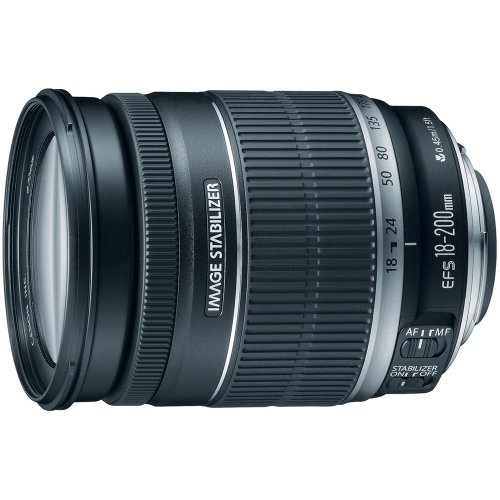
Canon EF-S 18-200mm f/3.5-5.6 IS Standard Zoom Lens for Canon DSLR Cameras (Renewed)
Check price on AmazonWhat is a Standard Zoom Lens?
A standard zoom lens is a versatile lens that covers a range of focal lengths typically used for everyday photography. For full-frame cameras, this usually means a range like 24-70mm or 24-105mm. For APS-C cameras, it's often 18-55mm or 18-135mm. This range goes from a moderate wide-angle to a short telephoto, making it perfect for a huge variety of subjects.
Unlike a 50mm prime lens, which offers a fixed field of view and often a wider aperture for low-light performance and background blur, a standard zoom gives you the flexibility to frame your shot without moving your feet. This makes it an indispensable tool for photojournalists, event photographers, and travelers who need to adapt quickly to changing scenes. For those who prefer a lighter, more compact setup, a compact camera with a built-in zoom can be a great alternative, but nothing beats the image quality of a dedicated lens.
Key Factors to Consider When Buying
1. Focal Length Range
The most common standard zoom for full-frame is 24-70mm. It's wide enough for landscapes and tight enough for portraits. A 24-105mm offers more reach, making it a better choice for travel and events where you can't get close. For APS-C, an 18-55mm is the classic kit lens, while an 18-135mm provides a more versatile superzoom range. If you need even more reach, a superzoom camera might be worth considering, but the image quality of a dedicated standard zoom lens is superior.
2. Maximum Aperture
A constant aperture like f/2.8 is a hallmark of professional-grade standard zooms. It allows for consistent exposure throughout the zoom range, better low-light performance, and shallower depth of field for more pleasing background blur. Variable aperture lenses (e.g., f/3.5-5.6) are more affordable and lighter, but they let in less light, especially when zoomed in. For those who frequently shoot in low light, a fast prime like an 85mm lens can complement your zoom. If you're just starting, you might find a budget-friendly camera with a kit lens is a great entry point.
3. Image Stabilization
Optical image stabilization (IS/VR/OS) is a crucial feature for handheld shooting, especially in low light or at the telephoto end of the zoom. It helps counteract camera shake, allowing you to use slower shutter speeds without blur. This is particularly useful for video recording and for photographers who prefer not to carry a tripod. When you're ready to expand your kit, look into a camera setup and accessories hub for essentials like filters and a reliable hard case for protection.
4. Build Quality & Size
Professional standard zooms are often heavy, weather-sealed, and built to last. Consumer-grade lenses are lighter and more compact, making them ideal for travel and casual use. Consider your priorities: if you shoot in harsh environments, a weather-sealed lens is a must. If you're a vlogger or content creator, a lightweight lens is more practical. For those who need a camera for vlogging, a dedicated vlogging camera with a good built-in lens or a compact standard zoom is a great choice.
Standard Zoom vs. Other Lenses
| Lens Type | Pros | Cons | Best For |
|---|---|---|---|
| Standard Zoom | Extremely versatile, one-lens solution, good for travel | Often slower aperture than primes, larger than some primes | Everyday photography, events, travel, portraits |
| Prime Lens | Sharper, wider aperture, lighter, better in low light | Fixed focal length, requires moving to frame shots | Portraits, low-light, street photography |
| Superzoom | Huge focal range, ultimate convenience | Lower image quality, slower aperture, heavier | Wildlife, travel when you can only carry one lens |
Frequently Asked Questions
Is a standard zoom lens good for portraits?
Yes, absolutely. A standard zoom covering 24-70mm or 18-55mm is excellent for portraits. The longer end (50-70mm) provides a flattering perspective for head-and-shoulders shots. However, for professional-level portraits with creamy background blur, a dedicated 85mm lens is often preferred.
What is the best focal length for a standard zoom?
For full-frame cameras, 24-70mm is the gold standard. It's wide enough for landscapes and tight enough for portraits and events. For APS-C, 18-55mm is the equivalent. If you want more reach, a 24-105mm or 18-135mm is a great choice.
Should I get an f/2.8 or f/4 standard zoom?
An f/2.8 lens is better for low-light situations and gives a shallower depth of field, which is great for isolating subjects. An f/4 lens is lighter, smaller, and more affordable. If you shoot a lot of indoor events or portraits, go for f/2.8. If you mainly shoot outdoors or travel, f/4 is a great, lighter option.
Can I use a standard zoom lens for video?
Yes, standard zooms are excellent for video. Their versatility allows you to quickly change framing without switching lenses. Look for a lens with image stabilization and, ideally, a constant aperture for consistent exposure. For professional video work, a cine lens is often used, but a standard zoom is a great starting point for content creators.
Ready to Find Your Perfect Standard Zoom?
Explore our top-rated recommendations and take your photography to the next level.
Check Price & Availability