
Cellular Trail Camera: Real-Time Wildlife Monitoring Made Easy
Stop trekking through the woods just to check your SD card. Discover how cellular trail cameras send photos directly to your phone, so you never miss a moment in the field.
Explore Top PicksAllCameraGuide Insight: A cellular trail camera combines the rugged reliability of a traditional trail camera with the convenience of a built-in cellular modem. This means you get instant alerts and images on your smartphone, no matter where you are. Whether you're a hunter, wildlife researcher, or property owner, this guide will help you choose the right model.
Traditional trail cameras have long been the go-to tool for scouting game and monitoring wildlife. However, the need to physically retrieve memory cards can be time-consuming and disruptive. Cellular trail cameras solve this problem by transmitting images over a cellular network. This technology has evolved rapidly, and today's models offer impressive features like 4K video, night vision, and solar power options.
In this comprehensive guide, we'll walk you through everything you need to know about cellular trail cameras. From understanding how they work to choosing the best model for your specific needs and budget, we've got you covered. We'll also explore key features, compare top brands, and provide practical tips for getting the most out of your camera. If you're new to trail cameras in general, you might want to start with our camera starter hub for a broader overview.
How Do Cellular Trail Cameras Work?
Unlike traditional trail cameras that store images on an SD card for later retrieval, a cellular trail camera is equipped with a SIM card and a cellular modem. When the camera's motion sensor is triggered, it captures a photo or video and then transmits it over a cellular network (such as 4G LTE or 5G) to a cloud server or directly to your smartphone via an app.
This real-time functionality offers several advantages:
- Instant Alerts: Receive notifications the moment activity is detected.
- Remote Monitoring: Check your camera from anywhere with an internet connection.
- No Disturbance: Avoid disturbing the area by not physically visiting the camera.
- Cloud Storage: Many models offer cloud backup, so you don't lose footage if the camera is stolen or damaged.
The camera itself typically operates like a standard trail camera, using a passive infrared (PIR) sensor to detect motion and heat. The key difference is the added cellular connectivity, which requires a data plan from a cellular provider. Some cameras come with a pre-installed SIM card, while others require you to purchase one separately. The trail camera market has been revolutionized by this technology, making remote scouting more accessible than ever.
Key Features to Look For
When shopping for a cellular trail camera, several features will impact performance, usability, and cost. Here are the most important ones to consider:
Image & Video Quality
Resolution matters for identifying details. Look for at least 12MP for photos and 1080p for video. Higher-end models offer 4K video and up to 30MP photos. Consider 4K vs 1080p video to decide what you really need.
Trigger Speed & Recovery
Trigger speed is the time it takes for the camera to capture an image after detecting motion. A fast trigger speed (under 0.3 seconds) is crucial for capturing fast-moving animals. Recovery time is how quickly it can take the next shot.
Night Vision & Infrared
Most trail cameras use infrared (IR) technology for night vision. Look for "no-glow" or "black" IR, which is invisible to animals and humans, reducing the chance of spooking wildlife or alerting trespassers. Check out our guide to cameras with infrared for more details.
Cellular Connectivity & Data Plans
Ensure the camera supports the cellular networks in your area (e.g., 4G LTE). Data plans vary; some are monthly, while others offer annual packages. Consider the cost of the plan as part of your overall budget.
Battery Life & Power Options
Battery life is critical, especially in remote locations. Look for models that support lithium batteries or have a solar panel option. Solar-powered models can last for months without intervention.
Durability & Weatherproofing
The camera must withstand harsh weather. Look for an IP66 or higher rating for water and dust resistance. A sturdy, weather-resistant housing is essential for long-term outdoor use.
What Price Should You Expect?
Budget-Friendly ($80–$150): Entry-level cellular cameras with basic features, lower resolution (up to 12MP), and slower trigger speeds. Good for casual monitoring.
Mid-Range ($150–$300): The sweet spot for most users. Expect better image quality (16-24MP), faster trigger speeds, and more reliable connectivity.
Premium ($300–$500+): Top-tier models with 4K video, 30MP+ photos, advanced night vision, solar compatibility, and robust build quality. Ideal for serious hunters and professionals.
Keep in mind that the total cost of ownership includes the camera price plus a monthly or annual data plan, which can range from $5 to $20 per month depending on the provider and data usage.
Cellular vs. Traditional Trail Cameras
Understanding the differences can help you decide which type is right for you. Here's a quick comparison:
| Feature | Cellular Trail Camera | Traditional Trail Camera |
|---|---|---|
| Real-time image delivery | Yes, via cellular network | No, requires manual retrieval |
| Remote access | Yes, via smartphone app | No |
| Initial Cost | Higher ($80–$500+) | Lower ($40–$200) |
| Ongoing Cost | Data plan required | None (batteries/SD cards only) |
| Battery Life | Shorter due to cellular transmission | Longer |
| Best For | Remote locations, real-time monitoring | Budget-conscious users, areas with no cell signal |
Tips for Getting the Best Results
- Positioning is Key: Mount the camera at a height of 3-4 feet, angled slightly downward. Clear any obstructions that might block the sensor or lens.
- Test Your Signal: Before deploying, check the cellular signal strength at your intended location. Most cameras have a signal indicator in the app.
- Optimize Settings: Adjust sensitivity, trigger interval, and photo burst settings to conserve battery and avoid false triggers.
- Use Quality Batteries: Lithium batteries perform better in cold weather and last longer than alkaline batteries.
- Secure Your Camera: Use a lockable security box and cable to prevent theft. Some models offer GPS tracking.
- Regular Maintenance: Clean the lens and sensor periodically, and check for firmware updates to ensure optimal performance.
For more advanced techniques on capturing wildlife, explore our wildlife photography guide. If you're also interested in securing your property, consider how a cellular trail camera compares to a home security system with cameras or a dedicated camera security system.
Recommended Cellular Trail Cameras
⚠️ AFFILIATE DISCLOSURE: This website contains affiliate links. As an affiliate Associate, we earn from qualifying purchases. If you make a purchase through these links, we may receive a small commission at no additional cost to you. Read our full affiliate policy.
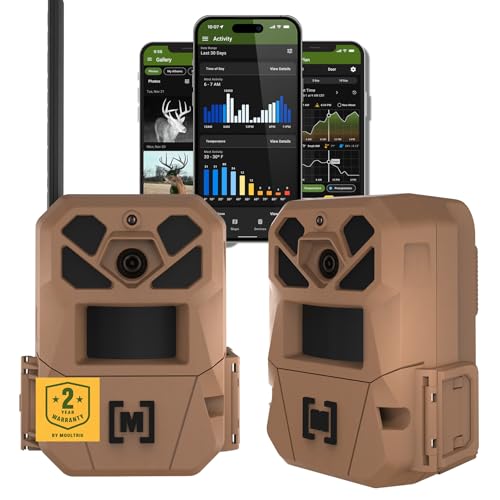
Moultrie Edge 3 Cellular Trail Camera - 2-Pack, 40MP, 0.5s Trigger | Scout from Anywhere, HD photos via Mobile app, 1080p video, multi-carrier, low-glow flash, GPS, Two Pack
Check price on Amazon
SPYPOINT Flex-M Twin, Cellular Trail Camera, Night Vision, Free Photo Plan | Auto Multi Cell-Network, LTE, GPS, Waterproof, 0.5 Second Trigger, 28MP Photo, 720p Video+ Sound, 90Ft Motion Dection & Flash
Check price on Amazon
Moultrie Edge 2 Cellular Trail Camera 2-Pack - 36MP, Low-Glow Flash | Scout from Anywhere, HD photos via Mobile app, 1080p video, multi-carrier, low-glow flash, Two Pack
Check price on Amazon
Tactacam REVEAL X 3.0 Cellular Trail Camera, Night Vision, Waterproof | 4K photo, 1080p video, auto-connect multi-carrier LTE, no SD card needed, 6+ month battery life, IP66 Waterproof rated
Check price on Amazon
Moultrie Edge 3 Cellular Trail Camera - 40MP, 0.5s Trigger | Scout from Anywhere, HD photos via Mobile app, 1080p video, multi-carrier, low-glow flash, GPS, AI detection
Check price on Amazon
4G LTE Cellular Trail Camera 2 Pack, Human Auto Tracking with 2,5K HD Live | Solar Powered with Built-in SIM Card Security Camera, No WiFi Needed, Motion Activated Waterproof Night Vision for Security
Check price on Amazon
TACTACAM Reveal X 3.0 2-Pack Cellular Trail Camera | 4K photo, 1080p video; auto-connect multi-carrier LTE, no SD card needed, 6+ month battery life, IP66 Waterproof rated
Check price on Amazon
Stealth Cam 36MP Fusion Max Cellular Trail Camera with 0.4 Second Trigger Speed, 80-Feet Detection Range and Infrared Flash (2-Pack)
Check price on AmazonFinal Thoughts
A cellular trail camera is a powerful tool that brings convenience and efficiency to wildlife monitoring, hunting, and property security. By understanding your specific needs and the key features available, you can choose a model that delivers reliable performance and value. Whether you're a seasoned hunter or a curious nature enthusiast, the right cellular trail camera will keep you connected to the outdoors like never before.
Remember to factor in the cost of a data plan and consider the environment where you'll be using the camera. With the tips and recommendations in this guide, you're well-equipped to make an informed decision. For more insights on camera gear and photography techniques, explore our photography style and technique hub.