
Cameras with Infrared: See the Unseen
Unlock the power of night vision and thermal detection. Our comprehensive guide helps you choose the right infrared camera for security, wildlife, or exploration.
Explore Top PicksWhat Is an Infrared Camera and How Does It Work?
An infrared (IR) camera is a device that captures images using infrared radiation rather than just visible light. This technology allows you to see in complete darkness, detect heat signatures, and reveal details that are invisible to the naked eye. Whether you are securing your home, observing wildlife at night, or inspecting electrical systems, an IR camera is an indispensable tool.
There are two main types of infrared cameras: near-infrared (NIR) and thermal infrared. NIR cameras use IR illuminators to light up a scene, similar to a flashlight but invisible to the human eye. Thermal cameras, on the other hand, detect heat emitted by objects, allowing you to see in total darkness without any light source. Understanding the difference is crucial for choosing the right device for your needs. For a deeper dive into camera technology, explore our camera lens guide.
Key Features to Look for in an Infrared Camera
When shopping for an infrared camera, several specifications will determine its performance and suitability for your application. Here are the most important factors to consider:
- Resolution: Higher resolution means clearer images. For security, 1080p is standard, but 4K is becoming more affordable. Compare 4K vs 1080p video to decide what you need.
- Night Vision Range: Measured in feet or meters, this indicates how far the IR illuminator can reach. Ranges vary from 30 feet for indoor cameras to over 100 feet for outdoor models.
- Thermal Sensitivity: For thermal cameras, this is measured in millikelvins (mK). Lower values mean better sensitivity and clearer images in low-contrast scenes.
- Field of View (FOV): A wider FOV covers more area but may sacrifice detail. Choose based on whether you need broad coverage or focused surveillance.
- Storage and Connectivity: Options include local SD cards, cloud storage, or network video recorders (NVR). Consider how you want to access and store footage.
- Weather Resistance: For outdoor use, look for IP66 or IP67 ratings to ensure durability against rain and dust.
If you are also considering optical zoom capabilities, our guide on optical vs digital zoom can help clarify the differences.
Types of Infrared Cameras: Which One Is Right for You?
Infrared technology is used in a wide range of cameras, each designed for specific tasks. Here are the most common types:
1. Security and Surveillance Cameras
These are the most popular IR cameras, used for home and business security. They come with built-in IR LEDs for night vision and often include motion detection, two-way audio, and mobile app integration. For comprehensive home protection, consider a home security system with cameras or a camera security system. If you need pan-tilt-zoom functionality, a PTZ camera offers unmatched coverage.
2. Thermal Imaging Cameras
Thermal cameras detect heat rather than light, making them ideal for finding leaks, inspecting electrical panels, or spotting wildlife. They are also used in firefighting and search-and-rescue. A thermal imaging camera can be a lifesaver in professional settings. For consumer use, a thermal camera is great for home inspections and outdoor adventures.
3. Wildlife and Trail Cameras
These rugged cameras are designed to withstand the elements and capture images of animals in their natural habitat. They often use IR for nighttime shots and can be triggered by motion. A trail camera or cellular trail camera is perfect for hunters and wildlife enthusiasts. For bird watchers, a bird feeder cam with IR is a delightful addition.
4. Night Vision Binoculars and Scopes
For hands-on observation, IR night vision binoculars provide a portable solution. They are excellent for camping, boating, and surveillance. Check out our guide on night vision binoculars for more details.
5. Doorbell and Pet Cameras
Modern doorbell cameras and smart doorbells often include IR for night vision, allowing you to see visitors after dark. Similarly, a pet camera with IR lets you check on your furry friends at night.
Infrared vs. Thermal: What's the Difference?
Many people use the terms "infrared" and "thermal" interchangeably, but they refer to different technologies. The table below highlights the key differences to help you decide which is better for your needs.
| Feature | Infrared (NIR) | Thermal |
|---|---|---|
| Light Source Needed | Yes, uses IR illuminators | No, detects heat |
| Image Type | Black and white or color | Heat map (false color) |
| Best For | Security, wildlife, general night vision | Inspections, search & rescue, detecting heat loss |
| Cost | More affordable ($50–$500) | Higher cost ($300–$3,000+) |
| Ability to See Through Obstacles | No | Yes (e.g., smoke, light fog) |
For most home users, an NIR camera is sufficient and cost-effective. However, if you need to detect heat signatures or see through smoke, a thermal camera is the better choice. You can explore our thermal camera selection for more options.
How to Choose the Best Infrared Camera for Your Needs
Before making a purchase, ask yourself the following questions:
- What is my primary use case? Security, wildlife, inspection, or something else?
- What is my budget? IR cameras range from budget-friendly $50 to professional-grade $3,000+.
- Do I need indoor or outdoor use? Outdoor models require weatherproofing.
- How important is resolution and range? Higher specs mean higher cost, but better performance.
- Do I need advanced features like pan-tilt-zoom or two-way audio? These add convenience but increase price.
For those new to cameras, our camera starter hub offers a great foundation. If you are looking for the highest-rated options, check out our highest-rated cameras list. And for the latest releases, don't miss new camera releases.
Ready to make a decision? Our recommended infrared cameras below are selected based on performance, value, and user reviews.
See Recommended CamerasRecommended Infrared Cameras
⚠️ AFFILIATE DISCLOSURE: This website contains affiliate links. As an affiliate Associate, we earn from qualifying purchases. If you make a purchase through these links, we may receive a small commission at no additional cost to you. Read our full affiliate policy.

TOPDON TC004 Mini Thermal Imaging Camera, 240 x 240 TISR Resolution | 15H Battery Life, 25Hz Handheld Infrared Camera with High/Low Temp Alerts, Auto Shutdown, 128 x 128 IR Resolution, Blue
Check price on Amazon
AccuMEMS GT14S Thermal Imaging Camera, Thermometer Mode, Ultra-Light 240g | 4°F~1022°F Range, 14H Runtime, Live Tracking with Edge-Enhanced Display, Infrared Camera for HVAC/Electrical Inspection
Check price on Amazon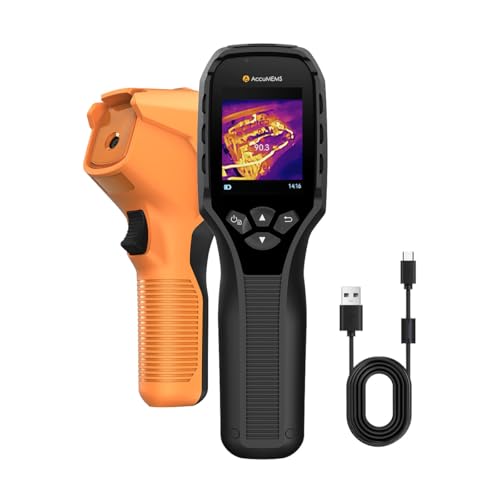
GT14S Thermal Imaging Camera with Edge Enhancement, Thermometer Mode | Infrared Camera -4°F to 1202°F Range, 240g Compact Design, 25Hz Image Frequency, 14H Runtime for HVAC/Home Inspection
Check price on Amazon
AMPBANK M192 Thermal Camera for USB-C iPhone Android, 384 x 384 Resolution | 25Hz Thermal Imaging Camera, 192 x 192 IR Resolution Infrared Imager, ±2% Accuracy, 40mK NETD, for Professionals & DIYers
Check price on Amazon
TOPDON TC001 Max Dual-Lens Thermal Camera for Any USB-C iPhone iPad Android | 512 x 384 TISR, 256 x 192 IR Resolution Imager, 25Hz Refresh Rate, -4°F~1022°F Temp Range, 40mK NETD, Blue
Check price on Amazon
AMPBANK H128 Thermal Camera, 240 x 240 TISR Resolution, 24H Battery Life | 25 Hz Infrared Camera, Smart Temp Alarm, Drop-Proof Durable Thermal Imaging Camera for HVAC Electrical Building Inspection
Check price on Amazon
TOPDON TC004 3.5" Thermal Imaging Camera, -4°F~1022°F Temp Range | 512 x 384 TISR Resolution, 8-Hour Battery Life Handheld Infrared Camera with PC Analysis and Video Recording, 64GB Storage
Check price on Amazon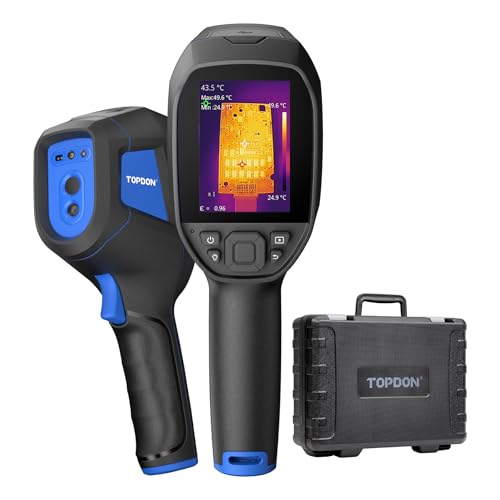
TOPDON TC005 3.5" Dual-Lens Thermal Imaging Camera, -4°F~1022°F Temp Range | 512 x 384 TISR Resolution, 2MP Visual Light Camera, 8h Runtime Handheld Infrared Imager, PC Analysis, 64GB Storage
Check price on AmazonFinal Thoughts on Infrared Cameras
Infrared cameras have revolutionized how we see the world after dark. Whether you are protecting your home, studying wildlife, or inspecting equipment, there is an IR camera tailored to your needs. By understanding the technology, key features, and your own requirements, you can make an informed purchase that will serve you well for years.
Remember to consider factors like resolution, range, and durability. For more insights on photography and camera gear, explore our photography equipment section and our trending camera gear guide. If you are interested in other types of cameras, such as digital cameras or video cameras, we have you covered.
Don't forget to check warranty details before buying—our warranty information for cameras page can help. And if you're looking for a reliable place to buy, visit our camera shop or camera store recommendations.