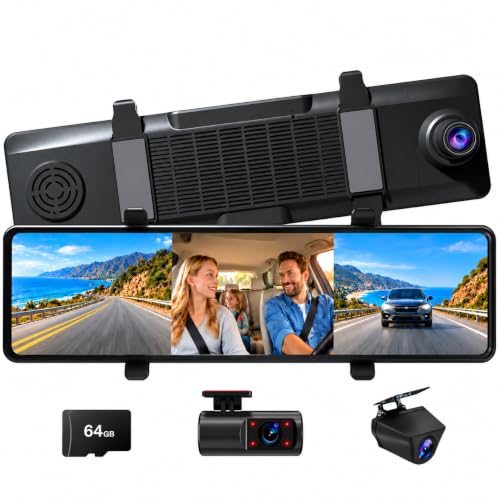
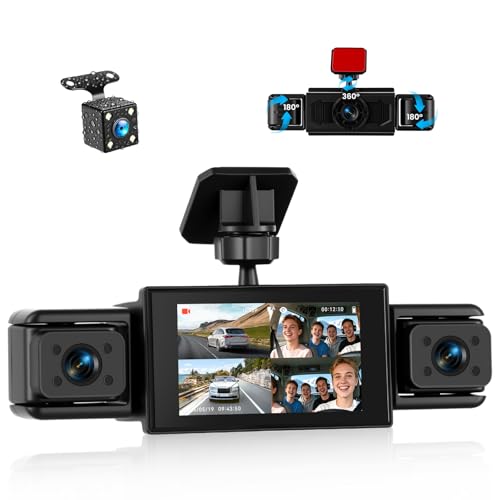
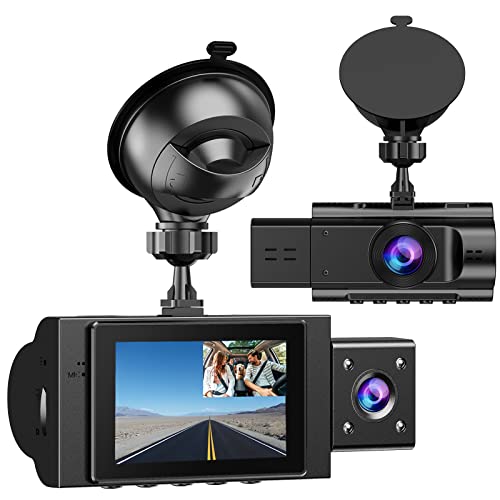
You've probably experienced it: you park your car on a dark street, and the next morning you notice a new scratch or dent. Without evidence, you're left paying for repairs out of pocket. This is where a dash cam with night vision and motion sensor becomes an essential piece of car security. These devices don't just record while you're driving; they stand guard when your car is parked, capturing any suspicious activity even in complete darkness.
But with so many models on the market, how do you choose the right one? This guide will walk you through the critical features, help you understand the technology, and show you exactly what to look for to ensure your car is protected day and night.
Why Night Vision and Motion Sensor Are a Powerful Combination
Individually, night vision and motion detection are useful. Together, they create a comprehensive security system for your vehicle.
The Role of Night Vision
Most incidents—vandalism, hit-and-runs, or theft—happen under the cover of darkness. A standard dash cam might only record a dark blur. A dash cam equipped with night vision, however, uses advanced sensors and infrared (IR) LEDs to capture clear, identifiable footage even in low-light conditions. This is crucial for reading license plates or identifying faces when it matters most. If you're looking for a dedicated solution for low-light parking, consider a camera for car that records when parked that specifically highlights night vision capabilities.
The Power of Motion Detection
Motion detection, often part of a "parking mode," allows the dash cam to remain in a low-power standby state while you're away. When its sensor detects movement near your vehicle, it instantly wakes up and starts recording a clip. This saves storage space and battery life by only recording when there's a reason to. For a fully integrated solution, you might look for a front and rear dash cam with cloud storage, which can alert you to motion events in real-time.
Key Insight: A dash cam with both features ensures that if someone so much as approaches your car at night, you'll have a high-quality video of the event, providing invaluable evidence for insurance claims or police reports.
Essential Features to Look For in a Night Vision Dash Cam
Not all dash cams are created equal. When shopping for a model with night vision and motion sensing, focus on these specifications:
1. Sensor and Lens Quality
The image sensor is the heart of the camera. Look for models with a large aperture (e.g., f/1.6 or f/1.8) and a high-quality sensor like a Sony STARVIS. These are designed to perform exceptionally well in low light. A wide dynamic range (WDR) or HDR feature also helps balance bright and dark areas in a scene, preventing headlights from washing out the image.
2. Infrared (IR) LEDs vs. "Super Night Vision"
There are two main approaches to night vision:
- Infrared (IR) LEDs: These emit a light invisible to the human eye, illuminating the scene for the camera. They are very effective for close-range recordings in complete darkness, but the footage is usually black and white.
- Super Night Vision (Software-based): These models use a highly sensitive sensor and advanced image processing to brighten a low-light scene. They often produce color footage but can be more prone to noise or blur in extremely dark conditions.
The best choice depends on your typical parking environment. For a pitch-black garage, IR is superior. For a dimly lit street, a high-quality "super night vision" sensor might be better. For capturing detailed evidence, a dedicated small dash cam for car front and rear often includes a robust night vision system.
3. Motion Detection Sensitivity and Parking Mode
Parking mode is the umbrella term for the features that protect your car when it's off. Motion detection is a key part of this. You want a camera with adjustable sensitivity to avoid recording every passing cat. Many cameras also offer a "buffered" parking mode, which continuously records in a loop and saves the 10-20 seconds *before* a motion event is triggered—a critical feature for capturing the full context of an incident.
4. Power Source and Battery Life
How your dash cam is powered is a major consideration for parking mode.
- Hardwired: The most reliable method. It connects directly to your car's fuse box, providing constant power. This is necessary for the most advanced parking modes.
- Built-in Battery: Some dash cams have an internal battery. However, these are typically only good for a short period and can be sensitive to heat. A dash cam that doesn't need to be plugged in often uses a battery, but you should check its parking mode duration.
- OBD-II Power Cable: This is a great middle-ground. It plugs into your car's OBD-II port (usually under the dashboard) and can provide power for parking mode without a professional hardwire installation. You can find a dash cam parking mode without hardwire using this method.
5. Video Resolution and Frame Rate
While 4K is the current standard for excellent detail, 2K or even 1080p can be sufficient if the sensor is high-quality. For night vision, a higher resolution helps capture more detail, but it also requires more storage and processing power. A frame rate of at least 30fps is recommended.
6. Storage and Loop Recording
You'll need a high-endurance microSD card (e.g., 128GB or 256GB) designed for continuous writing. Loop recording ensures that when the card is full, the oldest footage is overwritten, so you never miss a new event. Cloud storage is a premium feature that offers an off-site backup, which is invaluable if your camera is stolen.
Installation and Setup Tips
To get the most out of your dash cam, proper installation is key.
- Positioning: Mount the camera high on the windshield, near the rearview mirror, to minimize blind spots and keep it out of the driver's view.
- Cable Management: Tuck the power cable into the headliner and trim panels to keep it hidden and professional-looking.
- Parking Mode Setup: Carefully read the manual to configure motion detection sensitivity and voltage cutoff settings. A voltage cutoff prevents the camera from draining your car's battery completely.
- Test It: Before relying on it, test the night vision and motion detection in a dark, safe area. Walk around the car and check the recorded clips to ensure they are clear and triggered correctly.
For those who want a truly integrated security setup, a wireless front and rear camera for car can offer a streamlined installation and comprehensive coverage.
How to Choose the Right Model for Your Needs
Your choice should be guided by your primary concern:
- For Maximum Parking Protection: Prioritize a hardwired 2-channel (front and rear) system with a buffered parking mode and IR night vision. Look for models with a 360-degree dash cam with motion sensor for the ultimate coverage.
- For a Simple, No-Wires Setup: A battery-powered dash cam or one with an OBD-II cable is a great choice. A battery-powered dash cam front and rear is ideal if you can't hardwire your car.
- For High-Quality Night Evidence: Focus on models with a Sony STARVIS sensor and a large aperture (f/1.6 or better). The dash cam with night vision and motion sensor is the core of your research.
By understanding these features, you can move from a state of confusion to confidence, ready to choose the perfect guardian for your vehicle.