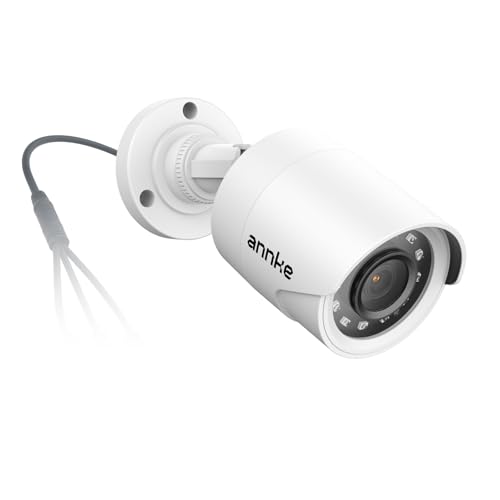
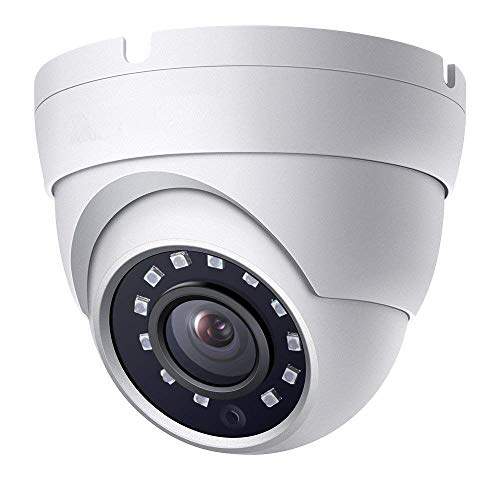
Your Priority is Clarity: In security, details matter. An HD security camera isn't just about seeing what happened—it's about identifying who, what, and how. This guide will help you invest in the right technology for indisputable evidence.
You've likely already decided you need a security camera. Now, you're standing at a crossroads, faced with a dizzying array of specifications, features, and brand names. The term "HD" is everywhere, but what does it truly mean for your peace of mind? This guide is designed for the discerning buyer—someone who has moved past the initial research and is ready to make a confident, informed purchase. We will demystify the technology behind high-definition surveillance, empowering you to select a system that delivers the clarity and reliability you deserve.
Decoding HD: 1080p vs. 2K vs. 4K Resolution
The most critical specification of any security camera is its resolution. This number determines the level of detail you can capture. Think of it as the difference between reading a license plate and just seeing a blurry car.
- 1080p (Full HD): This is the current standard for high-definition security. It offers a resolution of 1920x1080 pixels, providing clear, recognizable images. It's an excellent choice for most residential applications, offering a balance of quality and file size. For a reliable and proven option, this is often the sweet spot.
- 2K (1440p): A significant step up from 1080p, 2K resolution (often 2560x1440) provides about 30-40% more pixels. This means you can digitally zoom in on footage with less pixelation, making it easier to identify faces or distant details. It's ideal for larger properties or areas where you need to cover more ground with a single camera.
- 4K (Ultra HD): This is the pinnacle of consumer surveillance, with a resolution of 3840x2160—four times that of 1080p. The level of detail is astonishing, allowing for extreme digital zoom and capturing fine details like tattoos or distinct clothing patterns from a distance. 4K cameras are best for large commercial properties or critical security zones where no detail can be missed. However, they require more bandwidth and storage space.
Your choice depends on your specific goals. For general home monitoring, 1080p is often sufficient. For identifying intruders or monitoring a large yard, investing in 2K or 4K is a wise decision. A crucial companion to any camera is a reliable 128GB Micro SD card for security camera to ensure you have ample local storage for high-resolution footage.
Beyond Resolution: Key Features to Consider
Resolution is only part of the story. A truly effective HD security camera is equipped with a suite of features designed to work together. Understanding these will help you narrow down your options.
1. Night Vision
Most incidents happen under the cover of darkness. A good camera needs to perform well in low light. You'll see two main types:
- Infrared (IR) Night Vision: Uses invisible IR LEDs to illuminate the scene, producing a black-and-white image. The range can vary from 30 feet to over 100 feet.
- Color Night Vision: Uses a built-in spotlight or advanced sensor technology to capture color footage even at night. This provides more detailed evidence, like the color of a car or a person's clothing.
For critical outdoor areas, a camera with strong night vision is non-negotiable. You might also consider a specialized night CCTV camera for ultimate performance in the dark.
2. Field of View (FOV)
This is the angle of the area the camera can see. A wider FOV (e.g., 130°) covers more area with fewer cameras but may introduce a "fisheye" distortion. A narrower FOV (e.g., 90°) provides a more focused, detailed view but requires more cameras for full coverage. For monitoring a driveway or porch, a porch light security camera with night vision can offer a perfect blend of illumination and coverage.
3. Wired vs. Wireless
This is a fundamental choice that affects installation and reliability.
- Wired: These cameras are connected to a power source and a recorder (DVR/NVR) via cables. They offer the most reliable connection and don't require battery changes. Power over Ethernet (PoE) cameras are a popular type of wired camera that receive both power and data through a single cable. An IP camera PoE system is an excellent choice for a robust, scalable setup.
- Wireless: These run on batteries or solar power and connect to your Wi-Fi network. They are easier to install but can suffer from signal interference or require regular battery recharging. A wireless solar security camera can be a "set and forget" solution if placed in a sunny area. For those who want to avoid running wires, a battery-powered wireless outdoor security camera offers great flexibility.
4. Smart Features: AI, Alerts, and Audio
Modern cameras are becoming smarter. Features like person/vehicle detection (AI) can reduce false alerts from moving trees or animals. Two-way audio lets you communicate with visitors or deter intruders. Cloud storage and local storage (SD card) options give you flexibility in how you save your footage. For a completely self-contained system, a security camera that does not need WiFi can be a great choice for remote locations.
Frequently Asked Questions About HD Security Cameras
What is the difference between a 1080p and a 4K security camera?
4K provides four times the resolution of 1080p. This means you can see much finer details, such as a person's face or a license plate, even when zoomed in. 1080p is great for general monitoring, while 4K is for high-security situations where identification is paramount.
Do I need an internet connection for my HD security camera?
Not always. While an internet connection is needed for remote viewing on your phone and cloud storage, many systems can record locally to a DVR/NVR or an SD card without an internet connection. There are dedicated home security systems without internet that function perfectly offline.
Is a wireless or wired security camera better?
Wired cameras are generally more reliable and don't require battery changes. Wireless cameras are easier to install and more flexible in placement. The best choice depends on your specific location and technical comfort level.
How much storage do I need for my HD security cameras?
Storage needs depend on the number of cameras, resolution, frame rate, and how many days of footage you want to keep. A general rule is to calculate 1TB of storage for every 4-8 cameras running at 1080p for about a week. Higher resolutions and longer retention periods require more storage.
Can I install a security camera system myself?
Yes, many modern systems are designed for DIY installation, especially wireless models. However, for complex wired systems or for optimal placement, you might consider a professional home security camera installation service.