
Home Security System Motion Sensor: The Ultimate Buyer's Guide
Learn how motion sensors work, what features matter, and how to choose the right system to protect what matters most.
View Top PicksWhy Motion Sensors Matter: A motion sensor is the vigilant eye of your home security system. It detects movement and triggers alerts, cameras, or alarms, providing an essential layer of protection against intruders.
Understanding Motion Sensor Technology
A home security system with motion sensors is one of the most effective ways to safeguard your property. These devices detect movement in and around your home, triggering alerts or recording video when something or someone enters a monitored area. Whether you're at work or asleep, motion sensors act as your first line of defense.
Most modern systems use Passive Infrared (PIR) technology, which detects body heat, or microwave sensors, which use radar waves. Some advanced models combine both for higher accuracy and fewer false alarms. Understanding these technologies helps you choose the right system for your needs. If you're looking for a more discreet option, explore our guide on hidden home security cameras that integrate seamlessly with motion detection.
Types of Motion Sensors for Home Security
Not all motion sensors are created equal. Here are the most common types you'll encounter:
- Passive Infrared (PIR): Detects body heat. Affordable and widely used in most home systems.
- Microwave: Emits radio waves and detects movement based on frequency changes. More sensitive but prone to false alarms.
- Dual Technology: Combines PIR and microwave for superior accuracy. Ideal for high-traffic areas.
- Ultrasonic: Uses sound waves to detect motion. Less common in residential settings.
- Area Reflective: Uses infrared beams across a specific area. Often used in commercial settings.
For most homeowners, PIR sensors offer the best balance of cost, reliability, and ease of use. If you need broader coverage, consider integrating your motion sensors with a CCTV system for comprehensive surveillance.
Key Features to Look For
When shopping for a home security system motion sensor, pay attention to these critical features:
- Detection Range: Typically 20–40 feet. Larger rooms need sensors with longer range.
- Field of View: A wider angle (e.g., 90°–110°) covers more area but may reduce sensitivity.
- Pet Immunity: Prevents false alarms from pets under a certain weight (usually 40–80 lbs).
- Wireless vs. Wired: Wireless sensors are easier to install and relocate. Wired systems are more reliable but require professional installation.
- Smart Home Integration: Compatibility with Alexa, Google Assistant, or Apple HomeKit allows for voice control and automation.
- Battery Life: Look for sensors with at least 1–2 years of battery life to minimize maintenance.
If you're building a complete security ecosystem, you might also want to consider small security cameras that can be placed discreetly around your home.
Recommended Home Security Motion Sensor Systems
⚠️ AFFILIATE DISCLOSURE: This website contains affiliate links. As an affiliate Associate, we earn from qualifying purchases. If you make a purchase through these links, we may receive a small commission at no additional cost to you. Read our full affiliate policy.
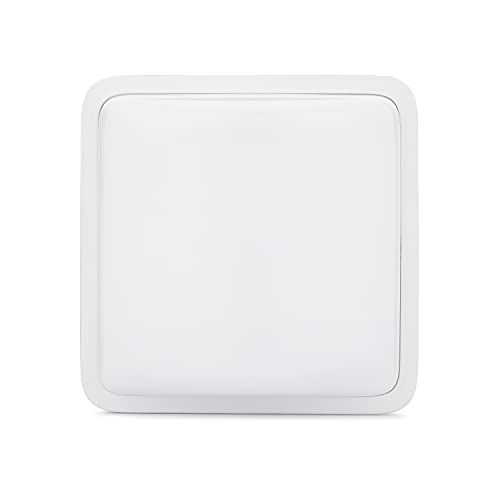
Wyze Home Security System Motion Sensor (1-Pack) Wyze Sense Hub Required
Check price on Amazon
Ring Alarm 14-Piece Kit (newest model), Wireless smart home or business security system, expandable, easy setup, Mobile App Control, 24/7 Professional Monitoring, Alexa Compatible
Check price on Amazon
Home Security System 9-Piece Work with Alexa & Google No Monthly Fees,WiFi+4G Mobile App Control with Instant Alerts and Auto Alarm Dial,Door/Window Sensors+Motion Detectors+Remote,24/7 Monitoring
Check price on Amazon
WiFi Alarm System for Home Security — Wireless 120dB Loud Siren with Motion Sensor, Remote Control, Weatherproof for House, Apartment, Shed, Garage & Driveway(SetD)
Check price on Amazon
Hapippofa GEN 2 Wireless Home Security System, 16-Piece DIY Alarm Kit for House & Apartment, WiFi & 4G Touchscreen Hub, Door Sensors, Motion Detectors, App Alerts, 120dB Wired Siren, No Monthly Fee
Check price on Amazon
Driveway Alarm- 1/2 Mile Long Range Motion Sensor- 1 Receiver+2 Sensors | Wireless Outdoor Weather Resistant Motion Sensor&Detector-DIY Security Alert-Monitor&Protect Outdoor/Indoor Property
Check price on Amazon
X-Sense Smart Home Security System, Wireless Security System 5-Piece Set, Supports Mobile App Alerts, Compatible with Alexa, Includes 1 Base Station, 2 Door Sensors, 1 Motion Sensor, 1 Keypad, AS05
Check price on Amazon
Home Security System, Alarm System for Home Security, 8-Piece Kit WiFi/GSM SMS Alarm System with Motion Detector, 120dB Alarm Siren, Door/Window Burglar Alarm, Smart Remote Control, Alexa-Compatible
Check price on AmazonHow to Choose the Right Motion Sensor System
Choosing the perfect system depends on your home's layout, your budget, and your security goals. Start by identifying entry points: doors, windows, and hallways are prime locations for motion sensors. For outdoor coverage, look for weather-resistant models.
If you rent your home, wireless systems are ideal because they don't require drilling or permanent installation. For larger properties, a multi-sensor system with a central hub offers the best coverage. You can also expand your setup with IP camera viewers to monitor feeds from your smartphone.
Budget-wise, basic motion sensor systems start around $100–$300. Mid-range systems with smart features range from $300–$600. Premium whole-home systems can cost $600–$1,500 or more. For a more affordable entry point, consider hidden security cameras that include motion detection.
Installation and Maintenance Tips
Proper installation is key to maximizing your motion sensor's effectiveness. Mount sensors at a height of 6–8 feet, angled slightly downward. Avoid placing them near heat sources, air vents, or windows with direct sunlight, as these can cause false triggers.
Test your sensors regularly and replace batteries promptly. Most systems send low-battery alerts via app or email. Clean the sensor lens with a soft cloth to prevent dust buildup from reducing sensitivity.
For a comprehensive security setup, pair your motion sensors with a video recorder camera to capture footage when motion is detected. This combination provides both alerts and visual evidence.
Final Thoughts
A home security system with motion sensors is a smart investment in your family's safety. By understanding the technology, knowing what features matter, and choosing a system that fits your lifestyle, you can enjoy peace of mind knowing your home is protected.
Ready to take the next step? Browse our recommended products above and find the perfect motion sensor system for your home today.