
Mirrored Camera (Mirrorless) Guide: Everything You Need to Know
Confused about mirrored vs. mirrorless? This comprehensive guide breaks down how mirrored cameras work, their advantages over DSLRs, key features to consider, and how to choose the perfect model for your photography or videography needs.
START LEARNINGQuick Definition: A "mirrored camera" (more commonly called a mirrorless camera) is a digital camera that does not have a reflex mirror. Instead, it uses a digital display or electronic viewfinder to show exactly what the sensor sees. This makes them smaller, lighter, and more versatile than traditional DSLRs.
What Exactly is a Mirrored Camera?
The term "mirrored camera" can be a bit confusing. In modern photography, it almost always refers to a mirrorless camera – a camera that eliminates the traditional mechanical mirror found in DSLRs. Instead of bouncing light up to an optical viewfinder, a mirrorless camera sends light directly to the image sensor. You then preview your shot via an electronic viewfinder (EVF) or the rear LCD screen.
This design shift has revolutionized the industry. Without the bulky mirror box and prism, manufacturers can create cameras that are significantly smaller and lighter. If you're looking for a small camera for home use or travel, a mirrorless model is often the perfect choice. They offer the same image quality as their DSLR counterparts, but in a much more portable package.
For those who want the absolute best in image quality, a full-frame camera with a mirrorless design is the current gold standard. These cameras provide exceptional low-light performance and shallow depth of field, making them ideal for professional work.
Mirrored vs. DSLR: What's the Difference?
The core difference lies in the mirror. A DSLR (Digital Single-Lens Reflex) uses a mirror to reflect light from the lens up into an optical viewfinder. When you press the shutter, the mirror flips up, allowing light to hit the sensor. A mirrored camera (mirrorless) removes this mirror entirely. Light hits the sensor constantly, and the EVF or LCD shows you a digital preview.
This leads to several key differences:
- Size and Weight: Mirrorless cameras are generally smaller and lighter. If you want a portable camera that's easy to carry, mirrorless wins.
- Autofocus: Mirrorless cameras often have faster and more accurate autofocus, especially for eye-tracking and subject detection. This is a huge advantage for wildlife photography cameras and sports.
- Battery Life: DSLRs typically have longer battery life because the optical viewfinder doesn't use power. Mirrorless cameras rely on electronic displays, which drain the battery faster. However, improvements are constantly being made.
- Lens Selection: DSLRs have a massive legacy of lenses. Mirrorless systems are newer but are rapidly catching up, with many excellent native lenses available, including 70-300mm lenses and wide-angle camera lenses.
- Video: Mirrorless cameras are generally superior for video, offering features like 4K recording, better video autofocus, and focus peaking. If you're into cameras for YouTubing, mirrorless is the way to go.
For a deeper dive into the comparison, check out our guide on mirrorless DSLR differences.
Key Features to Look for in a Mirrored Camera
When shopping for a mirrorless camera, consider these critical features:
1. Sensor Size
Mirrorless cameras come in various sensor sizes. The most common are APS-C and Full Frame. A full-frame mirrorless camera is ideal for professionals and enthusiasts who demand the best low-light performance and dynamic range. APS-C models are more affordable and still offer excellent image quality. If you're on a budget, there are many cheap DSLR cameras and mirrorless options available.
2. Lens Mount System
Each brand has its own lens mount. Sony uses E-mount, Canon uses RF mount, Nikon uses Z mount, and so on. The availability of lenses is crucial. A system with a wide range of lenses, including telephoto lenses for wildlife photography and macro lenses, is more versatile in the long run.
3. Autofocus System
Modern mirrorless cameras boast advanced autofocus with AI-based subject detection. Look for features like real-time eye autofocus for humans and animals. This is a game-changer for portrait and wildlife photographers.
4. Video Capabilities
If you plan to shoot video, check for 4K resolution, frame rates, and log profiles. A 4K camera is now standard for many creators. For vloggers, a cheap vlogging camera with a flip screen is a must-have. You might also want to consider a digital camera with a flip screen for easy framing.
5. Stabilization
In-body image stabilization (IBIS) is a massive advantage. It allows you to shoot sharp handheld photos and smooth video without a tripod. If you do a lot of handheld shooting, a camera with good IBIS is essential. For even more stability, you can pair it with a camera gimbal stabilizer.
6. Viewfinder and Screen
A high-resolution electronic viewfinder (EVF) and a touchscreen LCD are standard. A vari-angle screen is particularly useful for vlogging and shooting from odd angles.
Who Should Buy a Mirrored Camera?
Mirrorless cameras are ideal for a wide range of users:
- Travelers and Vloggers: The compact size and excellent video features make them perfect for YouTubing and travel.
- Portrait and Wedding Photographers: The advanced autofocus and eye-tracking are invaluable for capturing candid moments. You might also be interested in boudoir photoshoot ideas.
- Wildlife Photographers: The fast burst rates and telephoto lens options make them great for wildlife.
- Beginners: Many entry-level mirrorless cameras are user-friendly and offer room to grow. If you're just starting, check out our good cameras guide.
- Professionals: High-end mirrorless cameras are now the primary tools for many professional cameras for photography.
If you're looking for a camera for a specific niche, like astrophotography, mirrorless models are also excellent choices due to their ability to adapt to various lenses and their excellent low-light performance.
Budget Considerations: How Much Should You Spend?
The price of a mirrored camera can vary significantly. Entry-level APS-C models start around $500. Mid-range models with better autofocus and video features can range from $800 to $1,500. Professional full-frame models typically start at $1,800 and can go up to $4,000+ for flagship bodies.
Don't forget to budget for lenses. A kit lens is a good start, but you'll likely want to invest in additional lenses. If you're on a tight budget, you might consider renting camera equipment to try before you buy, or looking at cheap film cameras for a different experience.
Conclusion
Mirrored cameras, or mirrorless cameras, represent the future of photography. They offer an unbeatable combination of portability, advanced features, and image quality. Whether you're a beginner looking for a good quality camera or a pro seeking a high-end camera, there's a mirrorless option for you.
By understanding the key differences and features, you can make an informed decision. Remember to consider your specific needs – whether it's video, wildlife, or travel – and choose a system that has the lenses and capabilities you'll need. If you're still undecided, our guide on good cameras can help you narrow down your choices.
Recommended Mirrored (Mirrorless) Cameras
⚠️ AFFILIATE DISCLOSURE: This website contains affiliate links. As an affiliate Associate, we earn from qualifying purchases. If you make a purchase through these links, we may receive a small commission at no additional cost to you. Read our full affiliate policy.

Canon EOS Rebel T7 DSLR Camera EF-S 18-55mm f/3.5-5.6 is II Lens Kit | 24.1 Megapixel CMOS (APS-C) Sensor, Full HD Videos, Built-in Wi-Fi, Beginner Photographers, Digital Camera
Check price on Amazon
Canon EOS R100 Mirrorless Camera RF-S18-45mm F4.5-6.3 is STM Lens Kit | 24.1 Megapixel CMOS (APS-C) Sensor, 4K Video, Wi-Fi & Bluetooth, Beginner Photographers & Creators, Digital Camera
Check price on Amazon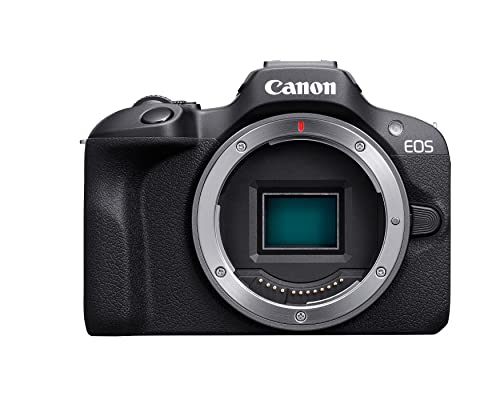
Canon EOS R100 Mirrorless Camera, RF Mount, 24.1 MP, DIGIC 8 Image Processor, Continuous Shooting, Eye Detection AF, Full HD Video, 4K, Small, Lightweight, Wi-Fi, Bluetooth, Content Creation
Check price on Amazon
Canon EOS R100 Mirrorless Camera Lens Kit | 55-210mm Lenses, 18-45mm
Check price on Amazon
Nikon Z 6II | Versatile Full-Frame mirrorless Stills/Video Hybrid Camera | Nikon USA Model
Check price on Amazon
WOLFBOX G900 Tripro Bumper-N 3 Channel 4K Mirror Dash Cam,STARVIS IMX678 | 8MP 4K+2.5K+1080P Front Rear & Bumper Camera,Night Vision,5.8GHz WiFi,12" Smart Screen for Off-Road & Blind Spot,No SD Card
Check price on Amazon