
Red Light Camera Guide: How They Work & Your Rights
Everything you need to know about red light cameras, from their technology and purpose to what happens if you receive a ticket. Stay informed and drive safely.
LEARN HOW THEY WORKUnderstanding Red Light Cameras: Red light cameras are automated systems designed to detect and deter drivers from running red lights. While they are a common fixture in many cities, their effectiveness and legal implications are often debated. This guide provides a clear, unbiased overview to help you navigate this complex topic.
What is a Red Light Camera?
A red light camera is a type of traffic enforcement camera that captures an image of a vehicle entering an intersection after the traffic signal has turned red. These systems are typically mounted on a pole or a traffic signal arm and are activated by sensors embedded in the road or by the signal itself. The primary goal is to reduce the number of accidents caused by drivers who disregard traffic signals. Unlike a general surveillance camera, a red light camera is specifically triggered by a traffic violation.
The concept is simple: when a vehicle passes over the sensors after the light turns red, the camera takes a photo of the vehicle's rear license plate. In many systems, a second photo is taken a fraction of a second later to show the vehicle proceeding through the intersection, providing clear evidence of the violation. This technology is a form of automated enforcement, similar in principle to systems used for toll collection or speed enforcement.
How Do Red Light Cameras Work?
The operation of a red light camera involves a sophisticated combination of sensors, cameras, and software. Here is a step-by-step breakdown of the process:
- Detection: Sensors, often inductive loops buried under the road, detect when a vehicle passes over a specific point. These sensors are connected to the traffic signal's controller. When the signal turns red, the system becomes active.
- Triggering: If a vehicle enters the intersection after the light has turned red, the sensors trigger the camera system. This is a critical distinction from systems like a dash cam, which continuously records.
- Image Capture: The system captures two or more high-resolution images. The first shows the vehicle before it enters the intersection, and the second shows it in the middle of the intersection. A third image might be a close-up of the license plate.
- Data Recording: Along with the images, the system records the date, time, vehicle speed, and the duration the light had been red. This data is crucial for verifying the violation.
- Review and Citation: The recorded data is sent to a law enforcement agency or a third-party processing center. A trained officer or technician reviews the images and data to confirm that a violation occurred and that the license plate is clearly legible. If confirmed, a citation is mailed to the registered owner of the vehicle.
Modern systems are increasingly integrated with broader home security cameras and smart city networks, allowing for centralized monitoring and data analysis. The technology continues to evolve, with some systems now capable of detecting other violations like illegal turns.
Types of Red Light Camera Systems
While the core principle is the same, red light camera systems can vary in their setup and capabilities. Understanding these differences can help you identify them on the road.
1. Fixed Pole-Mounted Systems
These are the most common types, permanently mounted on a sturdy pole or a mast arm extending over the intersection. They are highly visible and often accompanied by warning signs. Their fixed nature allows for precise calibration but also means they are limited to a specific location. You can think of them as a specialized, stationary version of an outdoor camera.
2. Mobile or Portable Systems
These systems are housed in trailers or portable units that can be moved between intersections. They offer flexibility for law enforcement, allowing them to target problem areas temporarily. However, they may be less accurate than fixed systems due to frequent setup and calibration.
3. Integrated Traffic Systems
Some modern systems are fully integrated into the traffic signal infrastructure. They use advanced sensors and may combine red light enforcement with speed enforcement. These are often part of a larger smart city initiative, similar to how a smart home security camera integrates with other home automation devices.
The type of system used often depends on local laws, budget, and traffic patterns. Regardless of the type, the goal remains the same: to capture clear evidence of a violation.
The Debate: Pros and Cons of Red Light Cameras
The use of red light cameras is a polarizing topic. Proponents argue they save lives, while opponents question their efficacy and cite privacy concerns. Here’s a balanced look at both sides.
Pros (Arguments in Favor)
- Safety: Studies have shown that red light cameras can reduce the number of right-angle crashes, which are often severe. By deterring red-light running, they make intersections safer for all road users.
- Deterrence: The presence of cameras can encourage drivers to be more cautious, leading to better compliance with traffic signals even when a camera is not actively issuing tickets.
- Revenue: For municipalities, fines from red light cameras can be a significant source of revenue, which is sometimes used to fund road safety programs.
- Objective Evidence: The photographic and video evidence provides an objective record of the violation, which can be useful in legal proceedings. This is similar to how a dash cam provides evidence in insurance claims.
Cons (Arguments Against)
- Privacy Concerns: Critics argue that red light cameras represent an invasion of privacy, as they constantly monitor and photograph citizens. This is a common concern with many forms of video surveillance.
- Effectiveness Questioned: Some studies suggest that while right-angle crashes decrease, rear-end collisions may increase as drivers brake suddenly to avoid a ticket.
- Revenue Motive: Opponents claim that the primary motivation for many cities is revenue generation rather than safety, leading to accusations of "policing for profit."
- Legal and Procedural Issues: The legal process can be challenged. Some argue that the registered owner may not have been the driver, and the system does not always provide a clear image of the driver's face.
Ultimately, the decision to use red light cameras is a local one, and their effectiveness can vary based on how they are implemented and managed. A well-designed program that includes public awareness and clear signage is often more accepted.
What to Do If You Receive a Red Light Camera Ticket
Receiving a red light camera ticket in the mail can be a stressful experience. Here are the steps you should take:
- Read the Ticket Carefully: The ticket will contain information about the violation, including the date, time, location, and the amount of the fine. It will also include instructions on how to pay or contest the ticket.
- Review the Evidence: Most jurisdictions provide online access to the photos or video of the alleged violation. Look at the images carefully. Is the license plate clear? Is it definitely your vehicle? Can you see who was driving?
- Determine Your Options: You typically have three options: pay the fine, contest the ticket, or, in some cases, attend traffic school to have the violation dismissed.
- Consider Contesting: If you believe the ticket is erroneous, you can contest it. Common defenses include: the light was yellow, the sign was missing or obscured, the image is unclear, or the vehicle was stolen. The process for contesting a ticket varies by location.
- Pay or Take Action Promptly: Do not ignore the ticket. Failing to respond by the deadline can result in additional fines, license suspension, or other penalties.
It's important to note that red light camera tickets are typically civil violations, not criminal ones. However, ignoring them can have serious consequences. If you are unsure about your rights, consulting a lawyer who specializes in traffic law is advisable.
Legal and Privacy Considerations
The legal landscape surrounding red light cameras is complex and varies significantly from one jurisdiction to another. In some places, they are banned outright, while in others, they are a well-established part of traffic enforcement.
Key legal issues include the right to due process, the presumption of innocence (since the owner is often held liable regardless of who was driving), and the admissibility of photographic evidence. Privacy advocates argue that the constant surveillance of public roads by the government constitutes a violation of the Fourth Amendment in the US, which protects against unreasonable searches and seizures. However, courts have generally upheld the use of red light cameras, viewing them as a reasonable measure to promote public safety, similar to other forms of red light camera technology.
Some states require that a human officer review the evidence before a ticket is issued, while others allow for fully automated systems. It's crucial to understand the specific laws in your state or country. The rules that govern a CCTV camera in a public space may not be the same as those for a red light camera.
Alternatives and the Future of Red Light Cameras
As technology advances, so do the alternatives to traditional red light cameras. Some cities are experimenting with different approaches to improve intersection safety.
- Longer Yellow Light Durations: One of the simplest and most effective solutions is to increase the duration of the yellow light. This gives drivers more time to stop and can significantly reduce red-light running.
- Improved Intersection Design: Better signage, clearer road markings, and better lighting can all contribute to safer intersections without the need for cameras.
- Advanced Sensors: Newer systems use radar and lidar to detect vehicles and predict potential collisions, which can be used to trigger warnings or adjust signal timing.
- Connected Vehicle Technology: In the future, vehicles may communicate with traffic signals to warn drivers of an impending red light, potentially preventing violations before they happen.
While the future of red light cameras is uncertain, the goal of improving road safety remains paramount. Whether through cameras or other means, the focus will continue to be on reducing accidents and saving lives.
Recommended Cameras for Traffic & Road Safety
⚠️ AFFILIATE DISCLOSURE: This website contains affiliate links. As an affiliate Associate, we earn from qualifying purchases. If you make a purchase through these links, we may receive a small commission at no additional cost to you. Read our full affiliate policy.
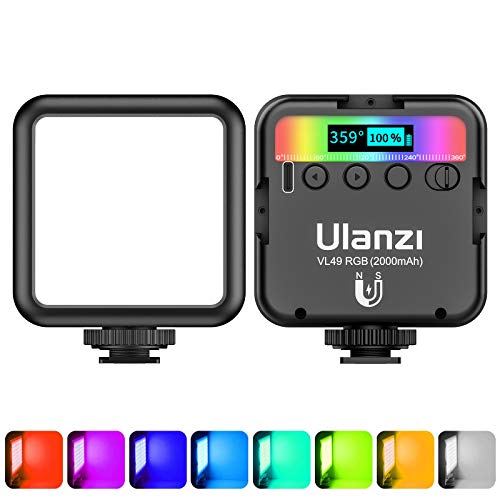
ULANZI VL49 RGB Video Lights LED Camera Light with 3 Cold Shoe & 1/4 Screw | 2500-9000K CRI 95+ 2000mAh Magnetic Rechargeable Small Camera Panel Fill Light for Photography, Content Creator, Streaming
Check price on Amazon
Ci-Fotto LED Video Light 2-Pack, 5600K Dimmable USB Camera Lighting Kit | Photography Lights with Mini Tripod & Colored Filters for Photo Studios, Small Angle Shooting, Video Recording,Game Streaming
Check price on Amazon
Dummy Dome Security Camera Indoor with Fake Simulation Flashing Red LED Light for Home Business Wireless CCTV Surveillance 4 Pack
Check price on Amazon
WALI CCTV Dome Fake Camera with Flashing Red Light, 2 Pack, White (SDW-2) | Dummy Cameras for Outside Indoor, Wireless Simulated Surveillance Cam, Realistic Look, Weatherproof, Warning Sticker Included
Check price on Amazon
WALI CCTV Dome Fake Camera with Flashing Red Light, 4 Pack, White (SDW-4) | Dummy Cameras for Outside Indoor, Wireless Simulated Surveillance Cam, Realistic Look, Weatherproof, Warning Sticker Included
Check price on Amazon
NEEWER Magnetic RGB Camera Light, 360° Full Color Small LED Panel, RGB61 | Video Light, 3 Cold Shoe Mounts, CRI97+ 20 Scene Modes 2500K-8500K, 2000mAh Portable Recording Photography Selfie Lighting
Check price on Amazon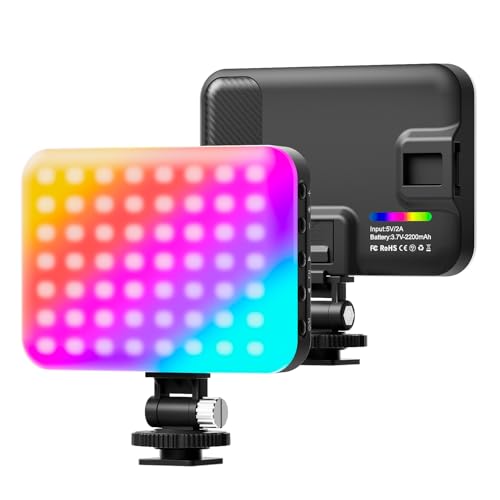
Hagibis RGB Camera Light,360°Full Color Portable Video Light LED Photo Light w Cold Shoe,2200mAh Rechargeable CRI97+,20Effects Lighting for Photography/Advertising Poster/Short Film (RGB-Black)
Check price on Amazon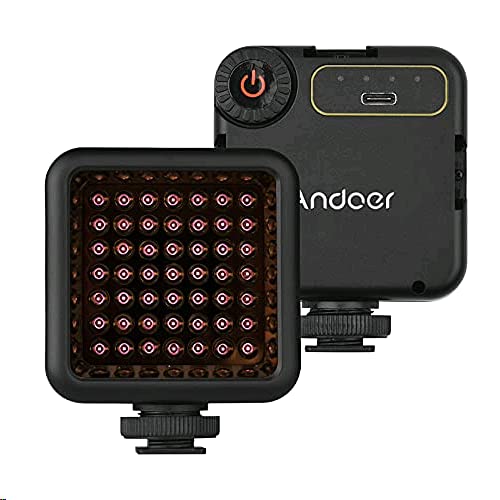
Mini IR Night Vision Light Infrared Photography Light for Video Camera Camcorder Built-in Rechargeable Battery with 3 Cold Shoe Mount for Vlog Video Recording
Check price on AmazonFrequently Asked Questions (FAQ)
Do red light cameras flash at night?
Yes, most red light cameras use an infrared flash or a visible flash to capture a clear image of the license plate at night. The flash is often noticeable to drivers.
Can I get a ticket if I'm not the driver?
In most jurisdictions, the ticket is issued to the registered owner of the vehicle, regardless of who was driving. This is a common point of contention. You may be able to contest the ticket if you can prove you were not the driver, but this can be difficult.
Do red light cameras reduce accidents?
Studies show mixed results. They are generally effective at reducing right-angle (T-bone) crashes, which are often severe. However, some studies indicate an increase in rear-end collisions. The overall impact on safety is debated.
How long does it take to get a red light camera ticket?
It can take anywhere from a few days to several weeks. The process involves reviewing the footage, identifying the vehicle owner, and mailing the citation.
Are red light cameras legal?
Legality varies by state and country. Many places have banned them, while others have specific laws governing their use. It's best to check the laws in your area.
Conclusion
Red light cameras are a complex and often controversial tool for traffic enforcement. They offer the promise of safer intersections but also raise significant questions about privacy, fairness, and effectiveness. Whether you are a driver concerned about your rights or a citizen interested in road safety, understanding how these systems work is essential. As technology continues to evolve, the debate over the best way to keep our roads safe will undoubtedly continue. For now, staying informed and driving responsibly is your best defense.
Remember, the goal is not just to avoid a ticket, but to ensure the safety of everyone on the road. For more information on related topics, explore our guides on car cameras and dash cams.