
SLR Cameras: The Complete Guide to Buying Your Perfect SLR
Everything you need to know about Single-Lens Reflex cameras. Learn how SLRs work, which features matter, and how to choose the right model for your photography journey.
VIEW TOP SLR PICKSWhy SLR Cameras Still Matter: While mirrorless cameras dominate headlines, SLR cameras remain a powerful choice for photographers who value optical viewfinders, legendary battery life, and vast lens ecosystems. This guide will help you understand if an SLR is right for you and how to pick the best one.
What Exactly Is an SLR Camera?
SLR stands for Single-Lens Reflex. In an SLR camera, light passes through the lens and is reflected by a mirror up into an optical viewfinder. This design lets you see exactly what the lens sees in real time — a critical advantage for many photographers. When you press the shutter, the mirror flips up, the shutter opens, and the sensor captures the image.
Most modern SLR cameras are DSLRs (Digital Single-Lens Reflex), meaning they use a digital sensor instead of film. If you are exploring camera types for the first time, our Camera Starter Hub provides a comprehensive overview of all camera categories, including DSLR cameras for beginners and compact mirrorless cameras.
How the SLR Mechanism Works
The reflex mirror is the heart of an SLR. It directs light from the lens to the pentaprism or pentamirror, which then sends the image to the optical viewfinder. This system provides:
- Real-time viewing: No electronic lag or refresh issues
- Optical clarity: See the scene naturally, even in low light
- Phase-detection autofocus: Fast and accurate focus tracking
- Long battery life: The viewfinder consumes almost no power
Essential SLR Components
Every SLR camera consists of several key parts that work together:
- Lens Mount: Determines which lenses you can use
- Mirror & Pentaprism: The optical viewing system
- Image Sensor: Full-frame or APS-C, affecting crop factor and low-light performance
- Shutter: Mechanical or electronic, affecting speed and durability
- Autofocus Module: Separate from the sensor in most SLRs
SLR vs. Mirrorless: Which Should You Choose?
This is the most common question from camera buyers. Both systems have passionate advocates, and the right choice depends on your priorities. Understanding the trade-offs will help you decide. You can also explore our detailed comparison of full-frame vs APS-C sensors to understand how sensor size impacts your decision.
✓ Advantages of SLR Cameras
- Optical viewfinder with zero lag
- Exceptional battery life (800–1,200+ shots)
- Vast used lens market at lower prices
- Ergonomic, substantial grip for large lenses
- Proven reliability and weather sealing
- Faster phase-detection autofocus in some models
✗ Disadvantages of SLR Cameras
- Bulkier and heavier than mirrorless
- No electronic viewfinder previews
- Limited video autofocus performance
- Fewer new models being released
- Mirror slap can cause vibration
- Shorter flange distance limits some lens designs
Understanding SLR Sensor Types
The sensor is the most important factor in image quality. SLR cameras generally come with one of two sensor sizes:
APS-C (Crop Sensor)
APS-C sensors are smaller than full-frame, offering a 1.5x or 1.6x crop factor. This makes them excellent for wildlife and sports photography where extra reach is valuable. They are also more affordable and pair well with lighter lenses.
- Best for: Beginners, travel, wildlife, budget-conscious buyers
- Typical price range: $400–$1,200
- Crop factor: 1.5x (Nikon, Sony) or 1.6x (Canon)
Full-Frame Sensor
Full-frame sensors match the size of traditional 35mm film, delivering superior low-light performance, shallower depth of field, and wider field of view. They are the choice for professional portrait, wedding, and landscape photographers.
- Best for: Professionals, low-light shooting, wide-angle work
- Typical price range: $1,200–$3,500
- Crop factor: 1.0x (no crop)
SLR Camera Budget Guide
SLR cameras are available at virtually every price point. Here is what you can expect at each level:
| Budget Level | Price Range | Best For | Example Features |
|---|---|---|---|
| Entry-Level | $400–$700 | Beginners, students | APS-C sensor, 24MP, 1080p video, kit lens included |
| Mid-Range | $700–$1,200 | Enthusiasts, hobbyists | APS-C or full-frame, 24–32MP, 4K video, weather sealing |
| Advanced | $1,200–$2,000 | Semi-professionals | Full-frame, 30–45MP, advanced AF, dual card slots |
| Professional | $2,000–$3,500+ | Working professionals | Full-frame, 45MP+, 4K/60p, rugged build, extensive sealing |
Key Features to Evaluate Before Buying
Autofocus System
The autofocus module is critical for capturing sharp images, especially in motion. Look for:
- AF Points: More points mean better subject tracking
- Cross-Type Points: More sensitive and accurate
- Low-Light Sensitivity: Rated in EV (lower is better)
- AF Modes: Single, continuous, and automatic switching
For fast-action genres like wildlife photography, a robust AF system is non-negotiable.
Video Capabilities
Modern SLRs are capable video tools, though they trail mirrorless in autofocus. Consider:
- Resolution: 4K vs 1080p — see our 4K vs 1080p comparison
- Frame Rates: 24p, 30p, 60p for slow motion
- Mic Input: Essential for quality audio
- Headphone Jack: For monitoring audio
- Articulating Screen: Helpful for vlogging
Lens Ecosystem
Your lens collection will likely outlast your camera body. Consider the mount system:
- Canon EF/EF-S: Massive selection, excellent used market
- Nikon F: Legendary lenses, backward compatible
- Pentax K: Weather-resistant, great value
- Sony A: Limited new SLR lenses but adaptable
Learn more about lens types in our Prime vs Zoom Lenses guide.
Build Quality & Ergonomics
You will hold this camera for hours. Key considerations:
- Weather Sealing: Essential for outdoor work
- Grip Depth: Deeper grips help with heavy lenses
- Button Layout: Customizable controls matter
- Weight: Full-frame SLRs can exceed 800g
- Shutter Life: Rated in actuations (100,000–500,000)
Who Should Buy an SLR Camera?
An SLR is an excellent choice if you:
- Prefer an optical viewfinder over electronic
- Need exceptional battery life for all-day shoots
- Want access to a vast, affordable used lens market
- Shoot primarily stills rather than video
- Value robust, proven camera technology
- Enjoy a substantial, ergonomic camera body
If you prioritize compact size, advanced video features, or the latest autofocus technology, a mirrorless camera may be a better fit. Browse our Editor's Choice Cameras and Highest Rated Cameras for inspiration across all categories.
Recommended SLR Cameras
⚠️ AFFILIATE DISCLOSURE: This website contains affiliate links. As an affiliate Associate, we earn from qualifying purchases. If you make a purchase through these links, we may receive a small commission at no additional cost to you. Read our full affiliate policy.

Canon EOS Rebel T7 DSLR Camera EF-S 18-55mm f/3.5-5.6 is II Lens Kit | 24.1 Megapixel CMOS (APS-C) Sensor, Full HD Videos, Built-in Wi-Fi, Beginner Photographers, Digital Camera
Check price on Amazon
Canon EOS Rebel T7 DSLR Camera Double Zoom Lens Kit | EF-S 18-55mm & EF 75-300mm Lenses, 24.1 Megapixel CMOS (APS-C) Sensor, Full HD Videos, Wi-Fi, Beginner Photographers
Check price on Amazon
Canon EOS Rebel T7 DSLR Camera with 18-55mm Lens (Black) (Renewed) | 18-55mm
Check price on Amazon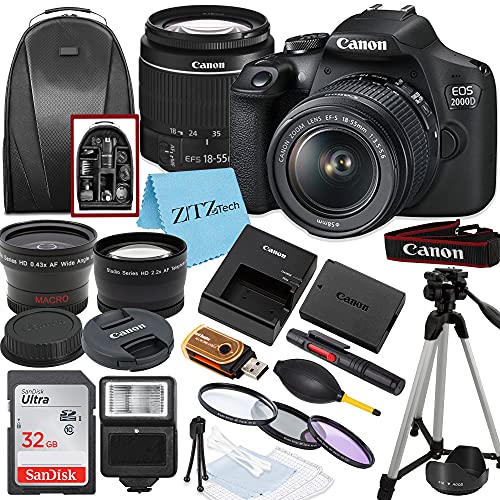
Canon EOS 2000D / Rebel T7 DSLR Camera with EF-S 18-55mm Lens + SanDisk 32GB Card Tripod Case Wideangle Lenses ZeeTech Accessory Bundle (20pc Bundle) (18-55MM, Card) Black (Renewed)
Check price on Amazon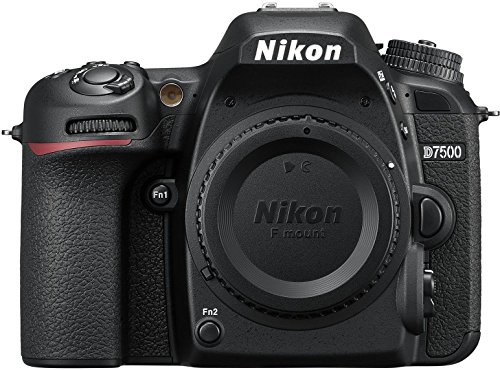
Nikon D7500 DX-Format Digital SLR Body
Check price on Amazon
Canon EOS Rebel T7 DSLR Camera with 18-55mm Lens Bundle | For Beginner Photography | 24.1MP APS-C DSLR Camera | Built-in Wi-Fi & NFC + 64GB Memory Card + Camera Bag
Check price on Amazon
Vintage Canon AE-1 35mm SLR Camera with 50mm 1:1.8 Lens (Renewed)
Check price on Amazon
Nikon D7500 20.9MP DSLR Camera with AF-S DX NIKKOR 18-140mm f/3.5-5.6G ED VR Lens, Black
Check price on AmazonReady to Start Your SLR Journey?
Explore our comprehensive guides on photography techniques, lens selection, and camera care to get the most from your new SLR.
EXPLORE PHOTOGRAPHY GUIDESFrequently Asked Questions About SLR Cameras
Are SLR cameras obsolete?
No. While mirrorless cameras are growing in popularity, SLR cameras remain widely used by professionals and enthusiasts. Their optical viewfinders, battery life, and lens ecosystems continue to offer compelling advantages.
What is the difference between SLR and DSLR?
SLR refers to the single-lens reflex mechanism. DSLR specifically means Digital Single-Lens Reflex — an SLR with a digital sensor. All modern SLRs are DSLRs, though the terms are often used interchangeably.
Can I use old film SLR lenses on a DSLR?
It depends on the mount. Many legacy lenses from Canon, Nikon, and Pentax can be adapted to modern DSLRs, often with full manual control. Some systems maintain partial or full autofocus compatibility.
How many megapixels do I need in an SLR?
For most photographers, 24MP is more than sufficient for prints up to 16x24 inches. Higher resolution (36–50MP) benefits landscape and commercial photographers who need extreme detail or heavy cropping.
Is a full-frame SLR worth it over APS-C?
Full-frame offers better low-light performance, shallower depth of field, and wider field of view. However, APS-C cameras are more affordable, lighter, and offer extra reach for telephoto work. The best choice depends on your specific needs. See our Full Frame vs APS-C guide for details.