
Things Needed to Start a Photography Business
From essential camera gear to legal requirements and pricing strategies — everything you need to launch a successful photography business with confidence.
START EXPLORINGWhy This Guide Matters: Starting a photography business requires more than just a good camera. You need the right equipment, software, legal protections, and business knowledge to turn your passion into a profitable career. This guide walks you through every essential item and decision you will face.
Essential Camera Gear & Equipment
Your camera is the foundation of your photography business. Whether you specialize in weddings, portraits, commercial work, or events, you need reliable equipment that can handle professional demands. If you are unsure which camera system to choose, our guide on what camera to get when starting photography can help you make an informed decision.
For wedding and event photographers, investing in a professional camera for wedding photography is essential. These cameras offer dual card slots, weather sealing, and fast autofocus — features that prevent catastrophic data loss and missed moments. If your focus is on wildlife or nature, explore camera lenses for wildlife photography to understand the telephoto reach you will need.
Primary Camera Body
A professional-grade DSLR or mirrorless camera with dual card slots, fast autofocus, and excellent low-light performance. Full-frame sensors are preferred for weddings and portraits.
- Dual memory card slots for backup
- Weather-sealed body
- 4K video capability (for hybrid shooters)
- Reliable autofocus system
Backup Camera Body
Never shoot a paid gig without a backup. A second camera body — even an older model — ensures you can continue shooting if your primary camera fails.
- Same mount system as primary
- Compatible with your lenses
- Can serve as second angle
- Essential for weddings and events
Professional Lenses
Lenses matter more than camera bodies for image quality. Start with a versatile zoom and a fast prime lens for portraits.
- 24-70mm f/2.8 (workhorse zoom)
- 70-200mm f/2.8 (events, portraits)
- 50mm f/1.4 or f/1.8 (prime)
- 85mm f/1.4 (portrait specialty)
Lighting Equipment
Natural light is not always available. Professional lighting separates amateurs from professionals.
- Speedlights (on-camera flash)
- Studio strobes (2-3 units)
- Light stands and modifiers
- Reflectors and diffusers
Tripods & Support
Stable support is critical for sharp images, long exposures, and video work.
- Carbon fiber tripod (lightweight)
- Ball head with quick-release plate
- Monopod for events
- Gimbal for video work
Memory Cards & Storage
Fast, reliable memory cards prevent buffering and data loss. Always carry spares.
- 64GB–128GB UHS-II SD cards (x4 minimum)
- CFexpress cards if required
- Portable SSD for on-site backup
- External hard drives for archive
Computer & Editing Setup
You need a powerful computer for editing high-resolution images and video.
- Color-calibrated monitor
- 16GB+ RAM (32GB preferred)
- Fast SSD for working files
- Adobe Creative Cloud subscription
Camera Bags & Protection
Protect your investment with professional-grade bags and cases.
- Rolling case for studio work
- Backpack for location shoots
- Rain covers for outdoor work
- Hard cases for transport
Business Setup & Legal Requirements
Many talented photographers fail not because of their images, but because they neglect the business side. Registering your business, understanding contracts, and protecting your work legally are non-negotiable steps.
Business Registration & Licensing
Depending on your location, you will need to register your business as a sole proprietorship, LLC, or corporation. You will also need a business license, a tax ID number, and potentially a sales tax permit if you sell physical products like prints or albums.
Contracts & Model Releases
Every paid shoot should have a signed contract outlining deliverables, timelines, payment terms, and copyright ownership. Model releases are essential if you plan to use client images in your portfolio or for marketing purposes.
Insurance
Equipment insurance protects your gear against theft and damage. Liability insurance protects you if a client is injured during a shoot or if you damage property. Many venues and clients require proof of insurance before hiring you.
Accounting & Taxes
Track income and expenses from day one. Use accounting software like QuickBooks or FreshBooks. Set aside 25-30% of income for taxes. Consider hiring a CPA familiar with creative businesses.
Startup Budget Breakdown
Your startup costs depend on your niche and existing equipment. Below is a realistic budget for a photographer starting a general photography business with no existing gear.
| Category | Budget Range | Notes |
|---|---|---|
| Camera Bodies (x2) | $2,000 – $5,000 | Primary + backup |
| Lenses (x3) | $2,000 – $5,000 | Zoom + prime + specialty |
| Lighting | $500 – $2,000 | Speedlights + strobes |
| Tripods & Support | $300 – $800 | Tripod + monopod |
| Memory & Storage | $300 – $800 | Cards + SSDs + drives |
| Computer & Software | $1,500 – $3,500 | Editing workstation |
| Bags & Protection | $200 – $500 | Cases + backpacks |
| Business Setup | $200 – $800 | LLC + licenses + insurance |
| Marketing & Branding | $500 – $2,000 | Website + logo + business cards |
| Total Estimated Startup | $7,500 – $20,400 | Varies by niche & existing gear |
💡 Money-Saving Tip
You do not need everything on day one. Start with a reliable camera body, one versatile lens, and a speedlight. Rent specialty lenses for specific shoots until you can afford to buy them. Many successful photographers started with affordable cameras for beginners and upgraded as their business grew.
Marketing & Portfolio Essentials
Your portfolio is your most powerful marketing tool. Before you launch, you need a professional website, a strong social media presence, and a clear brand identity.
Website & Portfolio
Build a website using platforms like Squarespace, WordPress, or Wix. Your portfolio should showcase 15-30 of your best images — quality over quantity. Include an "About Me" page, a contact form, and clear pricing or inquiry information. If you are considering what to gift a fellow photographer, check out our gift ideas for photography lovers for inspiration.
Social Media Presence
Instagram and Pinterest are essential for photographers. Post consistently, use relevant hashtags, and engage with your local community. Your social media should drive traffic to your website, not replace it.
SEO & Local Search
Optimize your website for local search terms like "wedding photographer in [your city]" or "portrait photographer near me." Google Business Profile is free and essential for local visibility.
📋 Complete Startup Checklist
- Primary camera body with dual card slots
- Backup camera body
- 24-70mm f/2.8 lens
- 70-200mm f/2.8 lens
- 50mm or 85mm prime lens
- Speedlight (on-camera flash)
- 2-3 studio strobes with stands
- Light modifiers (softboxes, umbrellas)
- Carbon fiber tripod
- Monopod for events
- 64GB+ UHS-II SD cards (x4)
- Portable SSD for on-site backup
- External hard drives for archive
- Color-calibrated monitor
- Adobe Creative Cloud subscription
- Rolling camera case
- Camera backpack
- Rain covers
- Business registration (LLC or sole prop)
- Business license and tax ID
- Equipment insurance
- Liability insurance
- Client contract template
- Model release forms
- Accounting software setup
- Professional website with portfolio
- Google Business Profile
- Instagram and Pinterest accounts
- Business cards
- Pricing guide and packages
Recommended Gear for Photography Business
⚠️ AFFILIATE DISCLOSURE: This website contains affiliate links. As an affiliate Associate, we earn from qualifying purchases. If you make a purchase through these links, we may receive a small commission at no additional cost to you. Read our full affiliate policy.

How To Start A Photography Business: A Step-by-Step Guide to Launching, Managing, and Growing Your Photography Venture
Check price on Amazon
Start Your Own Photography Business (Startup)
Check price on Amazon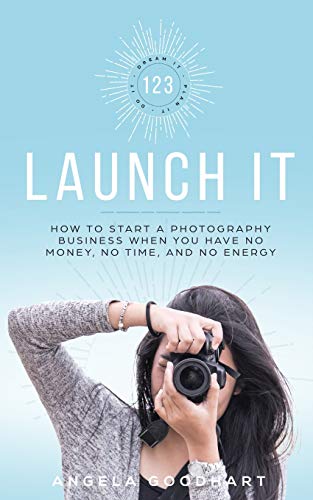
123 Launch It: How to Start a Photography Business When You Have No Money, No Time, and No Energy.
Check price on Amazon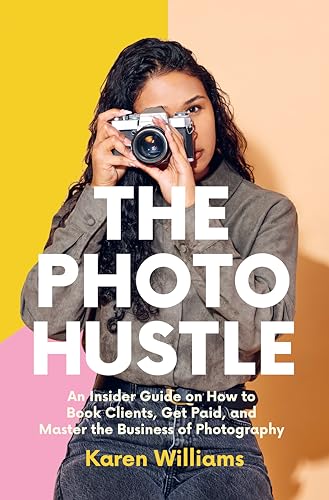
The Photo Hustle: An Insider Guide on How to Book Clients, Get Paid, and Master the Business of Photography (Starting a Photography Business)
Check price on Amazon
The Photo Hustle: An Insider Guide on How to Book Clients, Get Paid, and Master the Business of Photography (Starting a Photography Business)
Check price on Amazon
Digital Photography Small Business Startup Book for Beginners: Get Start Up Money, Photographer Business Ideas with this Step by Step Learning Guide
Check price on Amazon
ASMP Professional Business Practices in Photography
Check price on Amazon
Start Smart: The Senior Photography Business Guide I Wish I’d Had
Check price on AmazonReady to Launch Your Photography Business?
You now have a complete roadmap of everything needed to start a photography business. Start with the essentials, reinvest your profits, and grow your gear collection as your client base expands.
Explore More Camera Guides