
Best Small Digital Camera: Your Ultimate Buying Guide
Discover the perfect compact camera for travel, vlogging, and everyday photography. We break down sensor sizes, key features, and top recommendations to help you decide.
View Top PicksWhy Choose a Small Digital Camera?
In a world where smartphone cameras are constantly improving, the best small digital camera still holds a special place for photography enthusiasts. These compact powerhouses offer superior optical zoom, larger sensors, and manual controls that smartphones simply cannot match. Whether you are a traveler wanting to capture stunning landscapes without the bulk of a DSLR, or a parent looking for a reliable camera to document family moments, a small digital camera provides the perfect balance of portability and performance.
When searching for the best small digital camera, it's essential to understand that "small" doesn't mean compromised. Modern compact cameras feature 1-inch or even APS-C sensors, 4K video recording, and advanced autofocus systems. This guide will walk you through everything you need to know to make an informed decision.
Key Factors to Consider Before Buying
Before you make a purchase, consider these critical factors that will determine your satisfaction with a compact camera.
1. Sensor Size: The Heart of Image Quality
The sensor is the most crucial component affecting image quality, especially in low light. Small digital cameras typically come with three sensor sizes:
- 1/2.3-inch sensors: Found in budget cameras. Acceptable for bright daylight but struggle in low light.
- 1-inch sensors: The sweet spot for compact cameras. Offer significantly better low-light performance and dynamic range. Cameras like the Sony RX100 series use this size.
- APS-C or Micro Four Thirds: Found in premium compact cameras like the Ricoh GR III or Fujifilm X100V. These offer DSLR-level image quality in a pocketable body.
For the best results, aim for at least a 1-inch sensor. If you frequently shoot in challenging lighting conditions, consider a model with an APS-C sensor. You can learn more about sensor technology in our Lens & Sensor Hub.
2. Lens and Zoom Range
Compact cameras come with fixed lenses, so choose wisely. A versatile zoom range (like 24-70mm equivalent) is great for everyday shooting. If you need to capture distant subjects, look for a superzoom camera with a 20x or higher optical zoom. Avoid digital zoom, as it degrades image quality. For those who prefer a fixed focal length for superior sharpness, a prime lens compact like the Ricoh GR III is an excellent choice.
3. Video Capabilities
If you plan to vlog or record video, look for 4K resolution at 30fps or higher, a microphone input, and a flip-out screen. A dedicated vlogging camera often has these features optimized. For action-packed adventures, you might also consider an action camera like a GoPro, but for general vlogging, a compact camera with a flip screen is ideal.
4. Size and Ergonomics
The whole point of a small camera is portability. Look for a model that fits comfortably in your pocket or a small bag. However, don't sacrifice ergonomics for size. A camera that is too small may be difficult to hold steady. A slight grip can make a big difference.
5. Budget
Small digital cameras range from around $150 for basic models to over $1,000 for premium compacts with large sensors. Set a realistic budget. For a solid balance of features and price, expect to spend between $400 and $800. If you are on a tighter budget, check out our guide to the best budget camera options.
Comparison of Top Small Digital Camera Categories
To help you visualize the differences, here is a comparison of the main types of compact cameras available today.
| Category | Sensor Size | Typical Price Range | Best For |
|---|---|---|---|
| Ultra-Compact | 1/2.3" | $150–$300 | Casual snapshots, budget travelers |
| Premium Compact | 1-inch | $500–$1,000 | Enthusiasts, low-light shooting, 4K video |
| Large-Sensor Compact | APS-C / MFT | $800–$1,500 | Professional image quality, street photography |
| Superzoom Compact | 1/2.3" or 1" | $300–$700 | Wildlife, travel, versatile zoom range |
As you can see, the best choice depends on your priorities. For most people, a premium compact with a 1-inch sensor offers the best balance of size, image quality, and price.
Recommended Small Digital Cameras
⚠️ AFFILIATE DISCLOSURE: This website contains affiliate links. As an affiliate Associate, we earn from qualifying purchases. If you make a purchase through these links, we may receive a small commission at no additional cost to you. Read our full affiliate policy.

KODAK PIXPRO FZ55 16MP Compact Digital Camera, 5X Optical Zoom, Black | 1080p Full HD Video, 28mm Wide Angle Lens, 2.7 Inch LCD, Point and Shoot, Vlogging Camera, Li-Ion Battery
Check price on Amazon
KODAK PIXPRO FZ45 16MP Compact Digital Camera, 4X Optical Zoom, AA, Black | 1080p Full HD Video, 27mm Wide Angle Lens, 2.7 Inch LCD, Point and Shoot, Digicam, Travel and Family Photos
Check price on Amazon
KODAK PIXPRO FZ55 16MP Compact Digital Camera, 5X Optical Zoom, Red | 1080p Full HD Video, 28mm Wide Angle Lens, 2.7 Inch LCD, Point and Shoot, Vlogging Camera, Li-Ion Battery
Check price on Amazon
Duluvulu 4K Digital Camera for Photography Autofocus, 2026 Latest 48MP Vlogging Camera for YouTube with SD Card, 2 Batteries, 3" 180°Flip Screen Compact Travel Camera for Teens with 16X Zoom,Black
Check price on Amazon
KODAK PIXPRO FZ55 16MP Compact Digital Camera, 5X Optical Zoom, Blue | 1080p Full HD Video, 28mm Wide Angle Lens, 2.7 Inch LCD, Point and Shoot, Vlogging Camera, Li-Ion Battery
Check price on Amazon
KODAK PIXPRO FZ45 16MP Compact Digital Camera, 4X Optical Zoom, AA, White | 1080p Full HD Video, 27mm Wide Angle Lens, 2.7 Inch LCD, Point and Shoot, Digicam, Travel and Family Photos
Check price on Amazon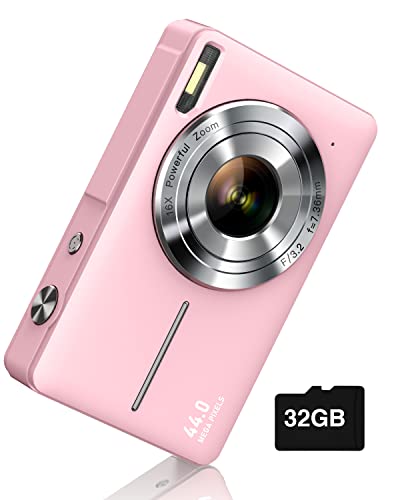
Camkory Digital Camera FHD 1080P with 32G Card 16X Zoom Easy for Kids Pink | Compact camera with anti-shake, Includes 2 batteries & charger. Perfect for parties, trips, birthdays gift from parents.
Check price on Amazon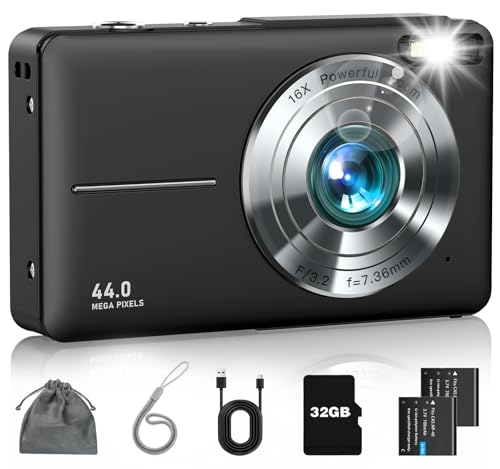
Digital Camera, FHD 1080P Point and Shoot Camera for Kids Teens, 32GB Card | Compact Small Vlogging Camera, 16X Zoom Anti-Shake Filters Date Stamp, Easy to Use, Gift for Boys Girls Starters, Deep Black
Check price on AmazonHow to Choose the Best Small Digital Camera for Your Needs
With so many options, narrowing down the perfect camera can be overwhelming. Here is a step-by-step approach to simplify your decision.
Step 1: Define Your Primary Use Case
Are you a traveler wanting to document your journeys? A parent capturing fast-moving kids? A content creator needing a compact vlogging setup? Your primary use will dictate which features are most important. For travel, prioritize size and zoom range. For family, fast autofocus and good low-light performance are key. For vlogging, a flip screen and microphone input are essential.
Step 2: Set a Firm Budget
Determine how much you are willing to spend. Remember that you may also need to purchase accessories like a memory card, spare battery, and a hard case for protection. A higher budget generally gets you a larger sensor, better lens, and more advanced features.
Step 3: Prioritize Sensor Size and Lens
As mentioned, the sensor is king. If you can afford a 1-inch or larger sensor, go for it. The lens should match your shooting style. If you mostly shoot landscapes, a wider lens is better. If you shoot portraits, a longer focal length is preferable.
Step 4: Check Video Features (If Needed)
If video is important, ensure the camera offers at least 4K at 30fps, a clean HDMI output, and a microphone jack. Some cameras, like those from Sony's ZV series, are specifically designed for vlogging. For more details, see our guide to the best vlogging cameras.
Step 5: Read Reviews and Compare
Before buying, read professional reviews and user feedback. Our Shopping & Reviews Hub is a great place to start. Pay attention to real-world image samples and handling. Also, consider the camera's build quality and whether it has a viewfinder, which can be invaluable in bright sunlight.
💡 Pro Tip: If you're unsure between two models, consider renting them for a weekend. This hands-on experience is the best way to know which camera feels right for you.
Essential Accessories for Your Small Digital Camera
To get the most out of your new camera, a few accessories are worth investing in.
- Memory Cards: A fast UHS-I or UHS-II card is essential for 4K video and rapid burst shooting. Check our guide to memory cards.
- Spare Batteries: Compact cameras often have limited battery life. Always carry at least one spare. See our recommendations for camera batteries.
- Protective Case: A hard case or a padded pouch will protect your investment from bumps and scratches.
- Screen Protector: A simple and cheap way to prevent scratches on the LCD. Look for screen protectors designed for your model.
- Card Reader: A dedicated card reader is faster and more reliable than connecting your camera to a computer.
- Tripod: For sharp low-light shots and stable video, a small tripod is invaluable. Consider a compact model for travel. If you're into real estate photography, check out our guide to the best tripods for real estate photography.
Frequently Asked Questions
What is the best small digital camera for travel?
The best travel camera is one that is compact, durable, and offers good image quality. The Sony RX100 series and the Panasonic Lumix ZS/TZ series are popular choices due to their 1-inch sensors and versatile zoom lenses. For a more premium option, the Ricoh GR III is excellent for street and travel photography.
Are small digital cameras better than smartphones?
For serious photography, yes. Small digital cameras offer larger sensors, superior optical zoom, better low-light performance, and manual controls that smartphones lack. However, for casual snapshots and immediate sharing, smartphones are more convenient. The best camera is the one you have with you, but for image quality, a dedicated camera wins.
What is the difference between a point-and-shoot and a compact camera?
The terms are often used interchangeably. "Point-and-shoot" generally refers to any camera with a fixed lens and automatic modes, while "compact camera" emphasizes the small size. Most small digital cameras are point-and-shoots, but premium compacts offer advanced manual controls.
Do I need a viewfinder on a small camera?
A viewfinder is helpful in bright sunlight when the LCD screen is hard to see. It also encourages steadier shooting by holding the camera to your eye. However, many compact cameras rely solely on the LCD. If you shoot outdoors often, a viewfinder is a valuable feature.
How much should I spend on a good small digital camera?
You can find decent entry-level models for around $200. However, for significantly better image quality and features, plan to spend between $500 and $900. This range gets you a 1-inch sensor, 4K video, and a quality lens. Premium large-sensor compacts can cost $1,000 or more.
Final Thoughts
Choosing the best small digital camera is about finding the right tool for your specific needs. By understanding sensor sizes, lens options, and your own shooting style, you can confidently select a camera that will serve you for years. Whether you opt for a versatile superzoom, a premium 1-inch compact, or a large-sensor powerhouse, the joy of capturing life's moments with a dedicated camera is unmatched.
We hope this guide has empowered you to make an informed decision. For more in-depth advice on specific camera types and accessories, explore our other guides on camera shopping and reviews and the camera setup and accessories hub.