
Camera Detector Device: Your Complete Guide to Finding Hidden Cameras
Protect your privacy with the right tools. Learn how camera detector devices work, what types exist, and how to choose the best one for your needs.
VIEW RECOMMENDED DETECTORSWhy This Matters: Hidden cameras are becoming smaller, cheaper, and more accessible. Whether you're concerned about a rental property, hotel room, or your own home, a reliable camera detector device gives you the power to verify your privacy. This guide covers everything you need to know before buying.
What Is a Camera Detector Device?
A camera detector device is a specialized tool designed to locate hidden cameras, microphones, and other surveillance equipment. These devices work by detecting the signals or physical characteristics that hidden cameras emit. There are several types, each with its own strengths and ideal use cases.
If you are also interested in the surveillance side of things, you might want to explore our guide on HD security cameras to understand how legitimate systems work and what signals they emit.
How Does a Camera Detector Work?
1. Radio Frequency (RF) Detection
Most wireless hidden cameras transmit video or audio via radio frequencies. An RF detector scans for these signals across a wide frequency range (typically 50 MHz to 6 GHz). When it picks up a transmission, it alerts you with a sound, vibration, or visual indicator. This is the most common technology used in a device to detect hidden cameras and microphones.
2. Lens Detection (Optical)
Every camera has a lens, which reflects light. A lens finder uses a bright LED and a viewing scope to spot the tell-tale glint of a camera lens. This method is effective for finding wired cameras that may not emit RF signals. It's a low-tech but surprisingly effective complement to RF detection.
3. Thermal Detection
Cameras generate heat when operating. Thermal detectors can identify unusual heat signatures in a room. While less common for consumer use, some high-end devices combine thermal imaging with RF detection. For a broader look at thermal technology, see our guide on thermal imaging cameras for electrical inspections.
Types of Camera Detector Devices
Handheld RF Detectors
These are the most popular and affordable option. They are portable, battery-operated, and easy to use. Simply sweep the device around the room and watch for signal strength indicators. They are ideal for travel and quick checks.
Lens Finders
These are optical devices that help you visually locate camera lenses. They are passive (they don't emit signals) and are great for finding cameras that are turned off or not transmitting.
Multi-Function Detectors
These combine RF detection, lens finding, and sometimes magnetic field detection. They offer the most comprehensive coverage and are recommended for professionals or anyone who needs thorough protection.
Smartphone Apps & Accessories
Some apps use your phone's camera and magnetometer to detect lenses or magnetic fields. While convenient, they are generally less reliable than dedicated hardware. For a more robust solution, consider a wireless spy camera with long battery life to understand what you're up against.
Camera Detector Comparison: Which One Is Right for You?
| Detector Type | Best For | Pros | Cons | Typical Price |
|---|---|---|---|---|
| Handheld RF Detector | Travelers, quick room sweeps | Affordable, portable, easy to use | May miss wired cameras | $30–$150 |
| Lens Finder | Finding wired or off cameras | Passive, no emissions, reliable for lenses | Requires line of sight | $20–$100 |
| Multi-Function Detector | Professionals, thorough inspections | Comprehensive coverage, multiple detection methods | Higher cost, more complex | $150–$600+ |
| Smartphone App | Casual users, backup option | Free or cheap, always with you | Less reliable, limited range | Free–$20 |
Recommended Camera Detector Devices
⚠️ AFFILIATE DISCLOSURE: This website contains affiliate links. As an affiliate Associate, we earn from qualifying purchases. If you make a purchase through these links, we may receive a small commission at no additional cost to you. Read our full affiliate policy.
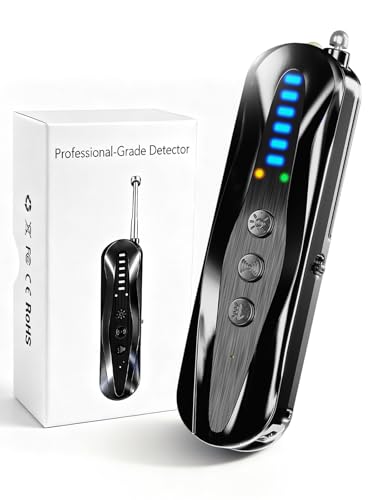
Hidden Camera Detectors,Infrared Pin-Hole Camera Finder,Wireless Camera detector, Anti-Spy Alarm and Bug Detector, GPS Tracker Detector, Portable Hidden Device Finder for Travel & Office(Black)
Check price on Amazon
9-in-1 AI Hidden Camera Detector,RF Detector,GPS Detector,Anti Spy Detector
Check price on Amazon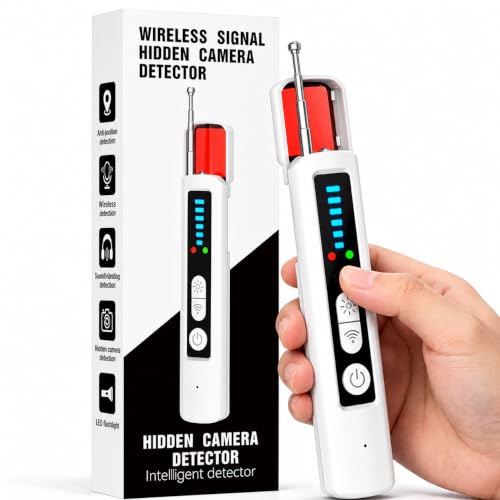
Hidden Camera Detectors,GPS Tracker Detector and RF Detector for Travel
Check price on Amazon
Qyzue Hidden Camera Detector, RF Detector, Magnetic GPS Tracker Detector
Check price on Amazon
AOBOCAM Hidden Camera Detector, GPS Tracker Bug Finder, Travel Privacy Pen
Check price on Amazon
Hidden Camera Detector, GPS Tracker, and Infrared Camera Three in one Anti spy Detector for Easy Portability. Suitable for Hidden Device detectors in Airbnb, Hotels, bathrooms, Homes, and Offices
Check price on Amazon
Hidden Camera Detector,6-in-1 GPS Tracker Detector,Bug Detector
Check price on AmazonWhat to Look for in a Camera Detector Device
- Frequency Range: A wider range (up to 6 GHz or more) covers more devices, including modern Wi-Fi and cellular cameras.
- Sensitivity: Adjustable sensitivity helps you pinpoint the source of a signal without picking up background noise.
- Alerts: Look for multiple alert types: sound, vibration, and visual (LED bars or screen).
- Battery Life: For travel, choose a device with long battery life or rechargeable batteries.
- Ease of Use: A simple interface is crucial, especially if you need to use it quickly in an unfamiliar place.
- Additional Features: Some devices also detect magnetic fields or include a built-in flashlight.
If you're also concerned about audio surveillance, a spy camera with audio and long battery life guide can help you understand the threats better.
How to Use a Camera Detector Device Effectively
- Start with a baseline: Turn on the detector in a known safe area to understand its normal readings.
- Scan slowly: Move the detector slowly around the room, paying attention to areas where cameras are commonly hidden (smoke detectors, clocks, mirrors, air vents).
- Use the lens finder: For a thorough check, use a lens finder to visually inspect suspicious objects.
- Check power sources: Cameras need power. Look for unusual wires or devices plugged into outlets.
- Trust your instincts: If a signal spikes, investigate further. Don't dismiss it.
For a deeper dive into the world of surveillance, explore our resources on hidden surveillance cameras with audio and mini spy cameras with audio and night vision.
Legal and Ethical Considerations
Using a camera detector device is generally legal for personal privacy protection. However, laws vary by jurisdiction. It is illegal to use these devices to intercept communications you are not authorized to access. Always use detectors responsibly and in accordance with local laws. If you are a business owner, consider consulting with a professional security systems installation service to ensure compliance.
Frequently Asked Questions
RF detectors cannot find wired cameras that do not emit radio signals. However, a lens finder can visually locate the lens of a wired camera. For comprehensive coverage, use a multi-function detector that combines both methods.
Range varies by device and signal strength. Most handheld RF detectors can pick up signals from 10 to 30 feet (3–10 meters). Higher-end models may have a longer range. Always scan slowly and close to surfaces.
Apps can be a useful backup, but they rely on your phone's sensors, which are not designed for this purpose. They may detect magnetic fields or lens reflections but are generally less reliable than dedicated hardware. For serious privacy protection, invest in a standalone device.
A compact, handheld RF detector with a wide frequency range and long battery life is ideal for travel. Look for one that is easy to use and has clear alerts. Some models also include a lens finder for added peace of mind.
Final Verdict: Protect Your Privacy with Confidence
A camera detector device is an essential tool for anyone concerned about privacy. Whether you choose a simple RF detector for travel or a multi-function device for thorough inspections, the key is to understand your needs and use the device correctly. Remember, no single detector is 100% foolproof, but combining RF detection with a visual lens check gives you the best chance of finding hidden cameras. Stay informed, stay safe, and take control of your privacy.
Explore More: If you're interested in the broader world of surveillance and security, check out our guides on mini spy cameras with long battery life, hidden cameras with long battery life, and home security systems without internet.