
Camera Shutter Count: The Complete Guide
Understand shutter actuations, check your camera's wear, and make smarter decisions when buying or selling used gear. Everything you need to know in one place.
Learn How to CheckWhy Shutter Count Matters: A camera's shutter is a mechanical component with a finite lifespan. Knowing the shutter count helps you assess wear, negotiate prices, and avoid buying a camera that's nearing the end of its life. Whether you're a buyer or seller, this metric is your best indicator of a camera's true condition.
Recommended Cameras with Reliable Shutter Life
⚠️ AFFILIATE DISCLOSURE: This website contains affiliate links. As an affiliate Associate, we earn from qualifying purchases. If you make a purchase through these links, we may receive a small commission at no additional cost to you. Read our full affiliate policy.

Wireless Camera Shutter Remote Control for Smart Phones- Compatible with iOS/Android (Pink+Green+Blue+Purple)
Check price on Amazon
SDTC Tech 4 Pcs Fuji Shutter Release Button Accessories
Check price on Amazon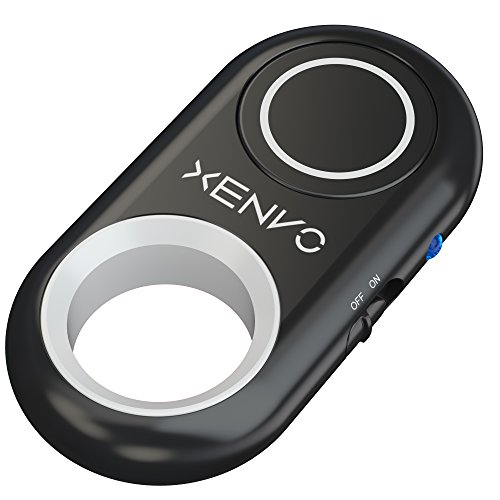
Xenvo Shutterbug - Camera Shutter Remote Control - Bluetooth Wireless Selfie Button Clicker - Compatible with iPhone, iPad, Android, Samsung, and Google Pixel Cell Phones, Smartphones and Tablets
Check price on Amazon
AODELAN Camera Wireless Shutter Release Timer Remote Control for Canon | for Canon EOS R, ROS RP, EOS RA, R6, R5, 80D, 77D, 70D, 250D, 90D, 10D, T7, T6i, T6s, T5i, T4i, PowerShot SX70H, RS-60&TC-80N
Check price on Amazon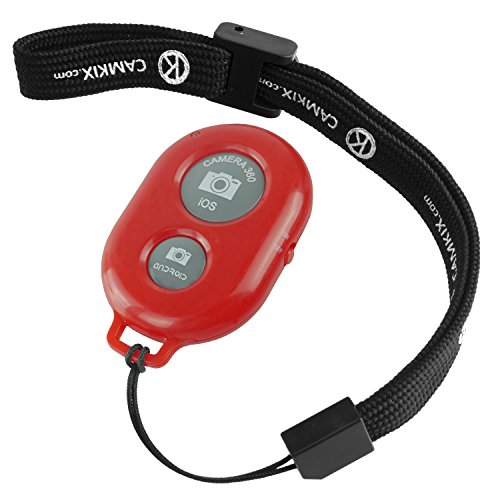
CamKix Camera Shutter Remote Control with Bluetooth Wireless Technology - Create Amazing Photos and Videos Hands-Free - Works with Most Smartphones and Tablets (iOS and Android)
Check price on Amazon
Camera Shutter Button, Delicate Soft Shutter Release Button (3 Pack)
Check price on Amazon
Shutter Huggers Dalmatian Shutter Hugger DAL001
Check price on Amazon
Camera Shutter Button, Upscale Soft Shutter Release Button (3 Pack)
Check price on AmazonWhat Exactly Is Camera Shutter Count?
Camera shutter count—also called shutter actuations or shutter cycles—is the total number of times your camera's mechanical shutter has opened and closed. Every time you press the shutter button to take a photo, the count increases by one. This number is stored in the camera's firmware and can be read using specialized software or online tools.
For DSLR cameras, the shutter is a physical mechanical unit that moves up and down with each exposure. Mirrorless cameras also have mechanical shutters, though many models offer an electronic shutter mode that doesn't contribute to the mechanical count. Understanding this distinction is crucial because electronic shutter actuations don't wear out the mechanical parts, but they may still be recorded differently depending on the manufacturer.
The shutter count is the closest thing to an "odometer" for your camera. Just as you'd check a car's mileage before buying, you should check a camera's shutter count before purchasing used gear. A camera with 5,000 actuations is practically new, while one with 300,000 may be living on borrowed time. This metric directly impacts the camera's value and reliability.
It's worth noting that shutter count is just one factor in overall camera health. Other components like the mirror mechanism, autofocus system, and sensor can also degrade over time. However, the shutter is often the first major component to fail, making its count a reliable proxy for overall wear. If you're considering a mirrorless or DSLR camera, always ask for the shutter count before committing.
Why Shutter Count Matters for Buyers and Sellers
The shutter count directly affects a camera's market value and expected lifespan. Manufacturers rate their shutters for a specific number of actuations—typically between 100,000 and 500,000 cycles depending on the model tier. Once you approach that rating, the risk of shutter failure increases significantly, and repair costs can be substantial.
For buyers, a low shutter count means you're getting a camera with plenty of life left. It also suggests the previous owner didn't use it heavily, which often correlates with better overall condition. For sellers, disclosing an accurate shutter count builds trust and can justify a higher asking price. A camera with 20,000 actuations will command a premium over one with 200,000, even if both look identical cosmetically.
When shopping for used gear, whether it's a cheap DSLR camera or a full-frame camera, the shutter count should be one of your first questions. It's not just a number—it's a window into the camera's history and future reliability. Professional cameras like those used for professional photography often have higher counts, but they're also built to withstand more abuse.
Sellers should be transparent about shutter count because hiding it can lead to returns, disputes, and damaged reputation. If you're selling a camera with a high count, price it accordingly and highlight other strengths like recent servicing or included accessories. Honesty pays off in the long run.
Typical Shutter Life Ratings by Camera Class
Manufacturers publish shutter life ratings as a guideline, not a guarantee. These ratings represent the number of actuations the shutter is expected to survive before needing replacement, based on testing. Here's a breakdown of typical ratings across different camera categories:
| Camera Class | Typical Shutter Rating | Price Range | Best For |
|---|---|---|---|
| Entry-Level DSLR / Mirrorless | 100,000 actuations | $400–$800 | Beginners, casual shooters |
| Mid-Range DSLR / Mirrorless | 150,000–200,000 actuations | $800–$1,500 | Enthusiasts, semi-pros |
| Professional DSLR / Mirrorless | 300,000–500,000 actuations | $1,500–$4,000 | Working professionals |
| Flagship Professional | 500,000+ actuations | $4,000–$6,500 | High-volume sports, news |
| Medium Format | 100,000–200,000 actuations | $4,000–$10,000+ | Studio, commercial work |
These ratings are based on the mechanical shutter mechanism. Many modern cameras also offer an electronic shutter that produces no mechanical wear, effectively extending the camera's lifespan. However, electronic shutters can introduce rolling shutter distortion and may not work with flash, so they're not always a substitute for mechanical operation.
If you're in the market for a good camera that will last, aim for a model with a higher shutter rating than you think you'll need. It's better to have headroom than to constantly worry about hitting the limit. For wildlife photography or movie making, where burst shooting is common, a high shutter rating is especially important.
How to Check Your Camera's Shutter Count
Checking shutter count varies by brand and model. Here are the most reliable methods for the major manufacturers:
- Canon: Use free tools like EOSInfo, 40DShutterCount, or online services like CameraShutterCount.com. Some newer Canon models require paid software or official service centers. Upload a recent JPEG or RAW file to an online checker for instant results.
- Nikon: Download free software like Nikon ShutterCount, Opanda IExif, or use online tools. The shutter count is embedded in the EXIF data of every image. For accurate results, use an unedited JPEG straight from the camera.
- Sony: Use tools like ShutterCount by Dire Studio or online checkers. Sony stores the count in a proprietary format, so you'll need a dedicated tool. Some Alpha models display it in the service menu (accessible via button combinations).
- Fujifilm: Use online tools like CameraShutterCount.com or the Fujifilm Shutter Count app. Fujifilm cameras store the count in EXIF data, making it relatively easy to retrieve.
- Panasonic & Olympus: Use online EXIF viewers or dedicated tools. Panasonic stores the count in the maker notes of the EXIF data. Olympus users can use the OI.Share app or third-party software.
- Pentax: Use PhotoMe or online tools. Pentax cameras store the shutter count in the EXIF data, and free software can read it easily.
For the most accurate results, always use an unedited image directly from the camera. Edited images may strip or alter EXIF data. If you're buying a used camera and the seller refuses to provide a shutter count reading, consider it a red flag. Legitimate sellers should have no problem sharing this information.
If you're purchasing from a platform that doesn't allow you to check the count beforehand, ask for a screenshot of the EXIF data or a photo of the camera's service menu. For cameras like the 35mm SLR camera or old film camera, shutter count isn't electronically recorded, so you'll need to rely on physical inspection and the seller's honesty.
What Counts as a "High" Shutter Count?
There's no universal threshold for what constitutes a high shutter count—it depends on the camera's rating and your risk tolerance. Here's a general guideline to help you assess:
| Shutter Count | Rating | What It Means |
|---|---|---|
| 0–10,000 | Practically new. Full value. No concerns. | |
| 10,000–50,000 | Light use. Plenty of life remaining. Minor discount expected. | |
| 50,000–100,000 | Moderate use. Still reliable but negotiate price. Factor in potential repair. | |
| 100,000–200,000 | Heavy use. Approaching or exceeding entry-level ratings. Buy only at a steep discount. | |
| 200,000+ | Professional-level wear. Shutter replacement may be imminent. Only for bargain hunters. |
Keep in mind that these ranges are relative. A professional camera rated for 500,000 actuations with 150,000 on the clock is still in great shape. Conversely, an entry-level camera rated for 100,000 with 80,000 actuations is nearing the end of its expected life. Always compare the count to the camera's specific rating.
If you're looking at a high-end camera or high-resolution camera, the shutter rating is likely higher, so you have more flexibility. For cheap film cameras or instant film models, shutter count isn't typically tracked, so focus on mechanical smoothness and light seal condition instead.
Tips for Buying a Used Camera with Confidence
When shopping for a used camera, shutter count is your first line of defense, but it's not the only thing to check. Here's a comprehensive approach to evaluating a used camera:
1. Always ask for the shutter count first. If the seller doesn't know how to check it, offer to walk them through the process or ask for a RAW file you can analyze yourself. A reluctant seller is a warning sign.
2. Cross-reference with the camera's rating. A 50,000-count camera rated for 150,000 is a safer bet than a 50,000-count camera rated for 100,000. Do your research on the specific model before making an offer.
3. Inspect the body for physical wear. Scratches, dents, and worn grips can corroborate or contradict the shutter count. A camera with 5,000 actuations but heavy cosmetic damage may have been dropped or mishandled.
4. Check the sensor for dust and scratches. Shine a light at an angle and look for spots. Some dust can be cleaned, but scratches are permanent and expensive to fix.
5. Test all functions. Autofocus, image stabilization, flash, video recording, and button responsiveness should all work flawlessly. If you're buying online, ask for a video demonstration.
6. Consider the total cost of ownership. A camera with a high shutter count might need a $300–$500 shutter replacement soon. Factor that into your offer. For renting camera equipment, shutter count matters less since you're not owning it long-term, but for purchases, it's critical.
7. Buy from reputable sources. Platforms with buyer protection, established camera stores, and sellers with positive feedback are safer than anonymous classifieds. If you're looking at video cameras for sale or DSLR cameras for astrophotography, verify the seller's history.
When Should You Replace the Shutter?
Shutter replacement is a significant repair, typically costing between $200 and $500 depending on the camera model. It's usually worth it if the camera is otherwise in good condition and the replacement cost is less than buying a comparable used model.
Signs that your shutter may need replacement include:
- Error messages related to the shutter mechanism
- Inconsistent exposures or shutter timing
- Visible damage to the shutter blades
- Camera refusing to fire or locking up
- Shutter count exceeding the manufacturer's rating by a significant margin
If you're shooting professionally with a professional camera for photography or a movie making camera, don't wait for a failure. Proactively replace the shutter when you approach the rating, especially before a major shoot or event. Downtime during a paid gig is far more costly than a preventive repair.
For casual shooters with good quality cameras or small cameras for home use, you can often wait until problems appear. The shutter may outlast your interest in the camera, especially if you shoot infrequently.
Shutter Count Across Different Camera Types
Not all cameras track shutter count the same way. Here's how it works across various camera types:
DSLR Cameras: The shutter count reflects the number of times the mirror has flipped up and the shutter has fired. This is the most straightforward and widely tracked metric. If you're buying a DSLR for astrophotography or 35mm SLR camera, shutter count is a key indicator of wear.
Mirrorless Cameras: Mirrorless cameras have a mechanical shutter that's often rated for fewer actuations than DSLRs because the mechanism is smaller and more delicate. However, electronic shutter modes allow unlimited actuations without wear. If you're looking at a mirrorless DSLR or affordable full-frame mirrorless camera, check both the mechanical and electronic counts.
Compact Cameras: Most compact cameras have a leaf shutter built into the lens, which is rated for far fewer actuations than interchangeable-lens cameras. Shutter count is less commonly tracked and less critical for mini digital cameras or pink digital cameras.
Action Cameras: Action cameras like GoPros use electronic shutters with no mechanical wear. Shutter count is irrelevant. If you're buying a 4K camera for action sports, focus on battery health and lens condition instead.
Film Cameras: Film cameras have mechanical shutters, but they don't track actuations electronically. Shutter count is unknown unless the previous owner kept meticulous records. For old film cameras or cheap film cameras, rely on a CLA (clean, lubricate, adjust) service to ensure smooth operation.
Security Cameras: Security cameras run continuously and don't have mechanical shutters. Shutter count is irrelevant. For small security cameras wireless or DIY security camera systems, focus on resolution, night vision, and storage instead.
Frequently Asked Questions About Shutter Count
Can shutter count be reset or faked?
Yes, unscrupulous sellers can reset the shutter count using specialized software or by replacing the mainboard. This is rare but possible. To protect yourself, buy from reputable sources, check for inconsistencies between cosmetic wear and shutter count, and request a video of the camera's service menu if possible.
Does shutter count affect image quality?
Not directly. A high shutter count doesn't degrade image quality until the shutter actually fails. However, a worn shutter can cause inconsistent exposures or errors before complete failure. Regular maintenance and timely replacement prevent image quality issues.
Is shutter count covered under warranty?
Most manufacturers don't cover shutter wear under standard warranty because it's considered normal wear and tear. Some extended warranties or professional service plans may cover it. Always read the fine print before purchasing a warranty.
What's a safe shutter count for buying used?
For entry-level cameras, under 50,000 is safe. For mid-range, under 100,000. For professional cameras, under 200,000. Always compare to the specific model's rating and factor in the price. If the discount is significant enough to cover a potential shutter replacement, it may still be a good deal.
Do electronic shutters have a count?
Electronic shutters don't have a mechanical lifespan, but some cameras still record electronic actuations separately. These don't contribute to wear, so they're less important. However, they can indicate how heavily the camera has been used overall.
How often should I check my shutter count?
Check it every few months if you shoot frequently, or before selling or buying a camera. It's also wise to check before a major trip or event to ensure you're not near the limit. For casual shooters, an annual check is sufficient.
Ready to Find Your Next Camera?
Now that you understand shutter count, you're equipped to make smarter buying decisions. Explore our recommended cameras with reliable shutter life and find the perfect match for your needs.
View Recommended CamerasFinal Thoughts
Camera shutter count is one of the most important metrics to understand when buying, selling, or maintaining a camera. It's the closest thing to a mileage gauge for your gear, and it directly impacts value, reliability, and longevity. By learning how to check it, interpret it, and factor it into your decisions, you'll avoid costly mistakes and get the most out of every camera you own.
Whether you're shopping for a cheap vlogging camera, a wildlife photography camera, or a full-frame camera, always ask for the shutter count. It's a simple question that can save you hundreds of dollars and countless headaches. And if you're selling, be transparent—it builds trust and helps you get a fair price.
For more guides on camera care, buying, and maintenance, explore our camera care and maintenance hub and shopping and reviews hub. Your camera is an investment—treat it like one, and it will reward you with years of beautiful images.