
Deer Camera Guide: Capture Every Moment in the Wild
Whether you're a hunter scouting trophy bucks or a wildlife enthusiast observing nature, the right deer camera is your silent partner in the field. Discover how to choose, place, and get the most from your trail camera.
VIEW TOP DEER CAMERASWhy a Dedicated Deer Camera Matters: Unlike a standard digital camera for photography, a deer camera (also known as a trail camera or game camera) is engineered for the rugged outdoors. It must withstand rain, snow, and extreme temperatures while operating silently for weeks or months on a single set of batteries. The best models capture crisp images and HD video, trigger instantly when movement is detected, and often include infrared night vision to document nocturnal activity.
Key Features to Look for in a Deer Camera
Trigger Speed & Recovery Time
Trigger speed is how fast the camera captures an image once it detects motion. A fast trigger speed (under 0.3 seconds) is critical for catching a deer mid-stride. Recovery time is how quickly it can take the next photo—important for capturing a whole herd.
Detection Zone & Range
The detection zone is the area covered by the motion sensor, while the field of view is what the lens sees. Look for a wide detection range (50–100 feet) and a field of view that matches your scouting area. Some cameras offer adjustable sensitivity to avoid false triggers from moving branches.
Image & Video Resolution
Modern deer cameras offer 12MP to 30MP stills and 1080p to 4K video. Higher resolution helps identify antler points and markings. For night images, a good infrared (IR) flash is essential—look for a "no-glow" or "black" IR to avoid spooking game.
Battery Life & Power
Battery life varies from weeks to over a year depending on usage and temperature. Many cameras use AA batteries, while some support external power sources or solar panels. If you're placing a camera in a remote location, consider a model with long battery life or a camera without WiFi to conserve power.
Storage & Connectivity
Most trail cameras use SD cards (up to 512GB) for storage. Some offer cellular or WiFi connectivity to send images to your phone—great for real-time scouting. For areas without signal, a HD camera with local storage is a reliable choice.
Weather Resistance & Durability
A good deer camera is weatherproof (IP66 or higher) and built to withstand extreme cold and heat. Look for a rugged housing, a secure latch, and a mounting system that won't shift in the wind. A CCTV system may be overkill for the woods, but a durable trail camera is essential.
📍 How to Place Your Deer Camera for Best Results
- Scout Food Sources: Place cameras near trails, food plots, and water sources. Deer are creatures of habit—they'll use the same paths repeatedly.
- Height Matters: Mount the camera about 3–4 feet off the ground, angled slightly downward. This captures the deer's body and head, not just legs.
- Face North or South: Avoid pointing the camera east or west to prevent sun glare and false triggers from changing light.
- Clear the Area: Remove tall grass and branches from the detection zone to reduce false triggers. A clean setup means more accurate data.
- Use a Security Box: If theft is a concern, use a lockable security box and a cable lock. A hidden security camera approach may work in some areas, but trail cameras are usually visible.
Recommended Deer Cameras
⚠️ AFFILIATE DISCLOSURE: This website contains affiliate links. As an affiliate Associate, we earn from qualifying purchases. If you make a purchase through these links, we may receive a small commission at no additional cost to you. Read our full affiliate policy.
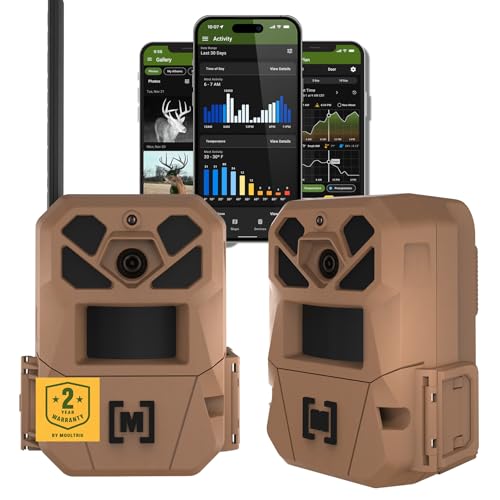
Moultrie Edge 3 Cellular Trail Camera - 2-Pack, 40MP, 0.5s Trigger | Scout from Anywhere, HD photos via Mobile app, 1080p video, multi-carrier, low-glow flash, GPS, Two Pack
Check price on Amazon
SPYPOINT Flex-M Twin, Cellular Trail Camera, Night Vision, Free Photo Plan | Auto Multi Cell-Network, LTE, GPS, Waterproof, 0.5 Second Trigger, 28MP Photo, 720p Video+ Sound, 90Ft Motion Dection & Flash
Check price on Amazon
CEYOMUR Trail Camera, 36MP HD Trail Cam with Night Vision Motion Activated | 850nm IR LEDs, Video Game Camera with 2.0" Color Screen, IP66 Waterproof for Wildlife Monitoring
Check price on Amazon
WOSPORTS Trail Camera(Non-Cellular Non-WiFi) 64MP 4K 0.2S Trigger Motion Activated,Game Camera with No-Glow Night Vision 2.0''LCD 120°Wide for Outdoor Scouting Wildlife Monitoring Home Security
Check price on Amazon
Tactacam REVEAL X 3.0 Cellular Trail Camera, Night Vision, Waterproof | 4K photo, 1080p video, auto-connect multi-carrier LTE, no SD card needed, 6+ month battery life, IP66 Waterproof rated
Check price on Amazon
WOSODA 2 Pack Trail Cameras with Night Vision Motion Activated Waterproof,48MP Hunting Game Camera,1080P HD Trail Cam for Wildlife Monitoring,Outdoor Scouting & Security(Non-Cellular Non-WiFi)
Check price on Amazon
Moultrie Edge 2 Cellular Trail Camera 2-Pack - 36MP, Low-Glow Flash | Scout from Anywhere, HD photos via Mobile app, 1080p video, multi-carrier, low-glow flash, Two Pack
Check price on Amazon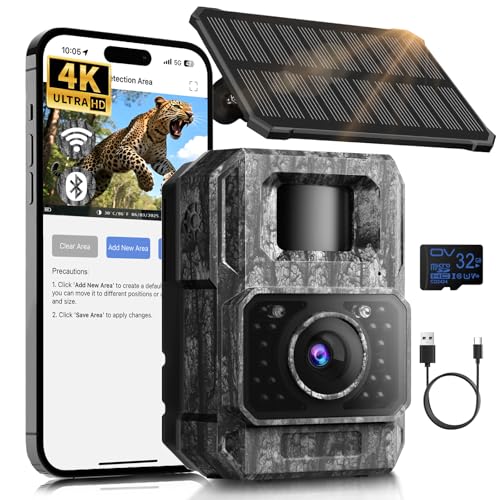
MAXDONE Solar Trail Camera, 4K 64MP WiFi Bluetooth Night Vision Game Camera | Trail Cam with Night Vision Motion Activated, 6000mAh Power & 32GB Included, Deer Cameras for Outdoor Backyard IP66
Check price on AmazonBuying Advice: Matching a Camera to Your Needs
When choosing a deer camera, consider your primary use case. For hunters, a fast trigger speed and high-resolution night images are paramount. For wildlife observers, a camera with a wide field of view and long battery life may be more important. If you're on a budget, a budget digital camera can work, but dedicated trail cameras offer better durability and trigger speeds.
If you plan to monitor a large property, consider a cellular trail camera that sends images to your phone. For remote areas without cell service, a camera with a large SD card and long battery life is ideal. Some users also pair their trail camera with a digital night vision monocular for real-time observation.
Don't forget accessories: a camera car mount can be useful for scouting from a vehicle, and a monopod for camera can help stabilize a handheld camera when reviewing footage in the field. For security around your home or cabin, a home security system motion sensor or small security cameras may complement your deer camera setup.
Final Thoughts: A deer camera is more than a gadget—it's a window into the secret life of the forest. By understanding the key features, choosing the right model for your needs, and placing it strategically, you'll gain valuable insights for hunting or wildlife observation. Whether you're a seasoned hunter or a curious naturalist, the right trail camera will become an indispensable tool. For more ways to capture the outdoors, explore our guides on hunting cameras and camera astrophotography.