
Digital Camera for Photography: The Complete Buying Guide
Everything you need to know before choosing a digital camera for photography — sensor sizes, lens systems, autofocus, video features, and real-world recommendations for every budget.
Why this guide matters: A digital camera for photography is a long-term investment. The body you choose determines which lenses you can use, how well you shoot in low light, and how much gear you will carry. This guide walks you through every decision point so you can buy once and buy right.
What Makes a Great Digital Camera for Photography?
1. Sensor Size: The Foundation of Image Quality
The sensor is the single most important component in any digital camera for photography. It captures light and converts it into the digital image you see. Larger sensors generally deliver better low-light performance, shallower depth of field, and more dynamic range. The three main sizes you will encounter are:
- Full-frame (36 x 24mm): The gold standard for professional photography. Excellent low-light performance and background blur. Best for portraits, weddings, and commercial work. Expect to pay $1,500–$4,000 for a body. Learn more in our full-frame sensor guide.
- APS-C (23.6 x 15.7mm): The sweet spot for enthusiasts. Roughly 1.5x crop factor. Great balance of image quality, size, and price. Ideal for travel, street, and wildlife. Bodies range from $600–$1,500.
- Micro Four Thirds (17.3 x 13mm): The most compact interchangeable-lens system. 2x crop factor. Excellent for travel and video. Bodies range from $500–$1,200.
If you are just starting out, an APS-C camera offers the best value. If you are serious about portrait or low-light work, save for full-frame.
2. Lens Mount and Ecosystem
The lens mount determines which lenses you can use — and lenses matter more than the camera body for final image quality. Before buying any camera, check the available lens lineup for that mount. Sony E-mount, Canon RF, Nikon Z, and Fujifilm X are the major mirrorless mounts today.
For DSLR users, Canon EF and Nikon F mounts still have vast used lens libraries at excellent prices. If you are considering a DSLR, read our DSLR for professional photography guide. If you prefer mirrorless, our mirrorless for sports photography article covers fast-action options.
3. Autofocus Performance
Modern autofocus systems use AI subject detection for humans, animals, and vehicles. For photography, look for:
- Eye-AF (human and animal): Critical for portraits and wildlife.
- Tracking AF: Essential for sports and moving subjects.
- Low-light sensitivity: Rated in EV (e.g., -4 EV or better).
Mirrorless cameras generally have the edge here because their AF sensors are on the imaging sensor itself. If you shoot nature photography or sports photography, prioritize AF tracking.
4. Resolution: How Many Megapixels Do You Need?
More megapixels is not always better. Here is a practical guide:
- 12–16MP: Plenty for social media, 4K video, and small prints. Great for low-light because pixels are larger.
- 20–26MP: The sweet spot for most photographers. Allows cropping while maintaining print quality up to A3.
- 30–45MP: For landscape, commercial, and large-format printing. Requires good lenses and technique to maximize.
- 50MP+: Medium format territory. See our cheapest medium format digital camera guide if you need extreme detail.
5. Video Features (Even for Photographers)
Most modern cameras shoot excellent video, but for photography-first buyers, check for:
- 4K at 30fps minimum (for hybrid shooters)
- Headphone and microphone jacks
- Flip-out screen for vlogging or self-recording
- No recording time limit (important for interviews)
If video is a priority, consider a dedicated 4K vlogging camera or a budget-friendly vlogging camera instead.
DSLR vs Mirrorless: Which Is Right for You?
The camera market has shifted decisively toward mirrorless, but DSLRs still have loyal fans. Here is the honest comparison:
| Feature | DSLR | Mirrorless |
|---|---|---|
| Size & Weight | Larger, heavier | Compact, lighter |
| Battery Life | Excellent (800–1200 shots) | Good (300–600 shots) |
| Autofocus (stills) | Very good on high-end models | Class-leading with AI tracking |
| Lens Selection | Vast used market, affordable | Growing rapidly, some adapters needed |
| Video Features | Limited on older models | Excellent, 4K/6K standard |
| Future-Proofing | Declining new releases | Where all innovation is happening |
Verdict: Buy mirrorless unless you already own a large collection of DSLR lenses or need maximum battery life for remote shooting. For most photographers, mirrorless is the better long-term investment.
Best Digital Cameras for Photography by Budget
Entry-Level
Great for learning. Look for APS-C or Micro Four Thirds. Ideal for cheap photography cameras for beginners and beginner photography cameras.
Enthusiast
The sweet spot. Excellent AF, 4K video, and access to premium lenses. Perfect for professional photography cameras for beginners.
Advanced / Full-Frame
Full-frame sensors, dual card slots, weather sealing. Ideal for weddings, commercial work, and serious enthusiasts.
Professional
High-resolution full-frame or medium format. Built for demanding commercial, editorial, and studio work.
Specific Use Cases
- Wildlife & Nature: Prioritize fast AF and telephoto lens availability. See our mirrorless for wildlife photography guide.
- Astrophotography: Full-frame with excellent high-ISO performance. Read our mirrorless for astrophotography article.
- Travel & Everyday: Compact APS-C or Micro Four Thirds. Consider a mini digital camera for ultimate portability.
- Budget Full-Frame: See our cheapest full-frame mirrorless camera guide for the most affordable options.
Essential Accessories for Your New Camera
Your camera body is just the beginning. To get the most out of your digital camera for photography, budget for these essentials:
- Memory Cards: Buy UHS-II SD cards for fast burst shooting and 4K video. Never buy cheap no-name cards.
- Spare Batteries: At least one extra. Mirrorless cameras drain faster than DSLRs.
- Camera Bag: A good camera gear bag protects your investment and keeps you organized.
- Tripod: Essential for landscapes, long exposures, and night photography. Start with a mini tripod for phone if you are on a tight budget, then upgrade.
- Lens Cleaning Kit: A microfibre cloth, blower, and lens pen are non-negotiable.
- UV Filter: Protects your front element from scratches and dust.
If you need Bluetooth transfer to your phone, look for a digital camera with Bluetooth transfer or a digital camera with Bluetooth to phone.
Common Mistakes When Buying a Photography Camera
- Chasing megapixels: A 24MP camera with a great lens beats a 45MP camera with a kit lens every time.
- Ignoring the lens ecosystem: The body will be replaced in 3–5 years. Lenses last decades. Invest in a mount with a future.
- Buying the cheapest kit: Kit lenses are fine to start, but a $200 prime lens will transform your images more than a $1,000 body upgrade.
- Overlooking ergonomics: If the camera does not feel good in your hand, you will not use it. Visit a store or buy from a retailer with a good return policy.
- Forgetting about post-processing: RAW files need editing. Budget for software like Lightroom or Capture One, or use free alternatives like Darktable.
Ready to find your perfect camera? Browse our curated selection of top-rated digital cameras for photography below. Every recommendation is based on real-world performance, not marketing hype.
See Recommended Cameras →Recommended Digital Camera for Photography
⚠️ AFFILIATE DISCLOSURE: This website contains affiliate links. As an affiliate Associate, we earn from qualifying purchases. If you make a purchase through these links, we may receive a small commission at no additional cost to you. Read our full affiliate policy.

Digital Camera for Photography, 4K 48MP Point and Shoot Camera Dual Lenses | Autofocus, 16X Digital Zoom, Anti-Shake, 32GB Card, 2 Batteries, Compact Vlogging Camera for Beginners
Check price on Amazon
Canon EOS Rebel T7 DSLR Camera EF-S 18-55mm f/3.5-5.6 is II Lens Kit | 24.1 Megapixel CMOS (APS-C) Sensor, Full HD Videos, Built-in Wi-Fi, Beginner Photographers, Digital Camera
Check price on Amazon
Duluvulu 4K Digital Camera for Photography Autofocus, 2026 Latest 48MP Vlogging Camera for YouTube with SD Card, 2 Batteries, 3" 180°Flip Screen Compact Travel Camera for Teens with 16X Zoom,Black
Check price on Amazon
5K Digital Cameras for Photography 80MP WiFi UHD Autofocus Vlogging Camera | Camera for YouTube, Fast Autofocus, Travel Video Camara Beginner, 3" 270° Flip Screen, 18X Zoom, Memory Card, Lens Hood
Check price on Amazon
KODAK PIXPRO FZ55 16MP Compact Digital Camera, 5X Optical Zoom, Black | 1080p Full HD Video, 28mm Wide Angle Lens, 2.7 Inch LCD, Point and Shoot, Vlogging Camera, Li-Ion Battery
Check price on Amazon
Digital Camera for Photography, 4K Vlogging Camera for YouTube 3" 180° Flip Screen 18X Digital Zoom Compact Cameras with 32GB TF Card & 2 Batteries, Pink
Check price on Amazon
Canon EOS Rebel T7 DSLR Camera Double Zoom Lens Kit | EF-S 18-55mm & EF 75-300mm Lenses, 24.1 Megapixel CMOS (APS-C) Sensor, Full HD Videos, Wi-Fi, Beginner Photographers
Check price on Amazon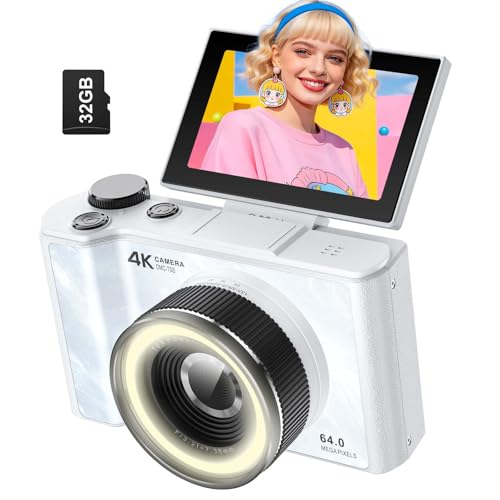
W & O 4K Digital Camera for Photography,Flip Screen Digital Camera for Kids | 64MP Vlogging Camera for YouTube with SD Card,16X Zoom Autofocus,Point and Shoot digital cameras for Teens Beginner,White
Check price on AmazonFinal Thoughts
Choosing a digital camera for photography does not have to be overwhelming. Focus on three things: sensor size, lens ecosystem, and autofocus performance. Everything else is secondary. Buy the best body you can afford, invest in one or two good lenses, and spend your remaining budget on learning — books, courses, and most importantly, shooting every day.
The best camera is the one you have with you. Whether you choose a budget-friendly APS-C mirrorless or a professional full-frame workhorse, the camera that gets you out shooting is the right one. Use this guide, do your research, and buy with confidence.
For more specific recommendations, explore our related guides on beginner photography cameras, DSLRs for professional photography, and cheapest full-frame mirrorless cameras.