
Full Frame Camera Guide: Everything You Need to Know
Unlock professional-level image quality with a full frame sensor. Learn how these cameras outperform smaller formats in low light, depth of field, and dynamic range — and find the right one for your budget.
SEE TOP FULL FRAME PICKSWhy Full Frame? A full frame sensor measures 36mm × 24mm — the same size as traditional 35mm film. This larger surface area captures more light, delivers shallower depth of field, and produces cleaner images at high ISO. Whether you shoot portraits, landscapes, or weddings, full frame is the gold standard for serious photographers.
What Is a Full Frame Camera?
A full frame camera uses an image sensor that matches the dimensions of a 35mm film frame. Unlike APS-C or Micro Four Thirds sensors, which are smaller and crop the image, a full frame sensor captures the entire field of view of a lens. This means wider angles, more light gathering, and a more natural depth-of-field falloff that professionals have relied on for decades.
Full frame cameras come in two main types: DSLR and mirrorless. DSLRs use a mirror and optical viewfinder, while mirrorless cameras remove the mirror for a more compact body and electronic viewfinder. Both deliver the same full frame image quality, but mirrorless is the modern standard with faster autofocus and video features. If you're upgrading from a crop sensor, you'll notice the difference immediately in low-light performance and background blur. For those just starting out, our beginner photography camera guide can help you decide if full frame is the right first step.
Key Benefits of a Full Frame Sensor
Superior Low-Light Performance
A larger sensor collects more light per pixel, resulting in cleaner images with less noise at high ISO settings. This is crucial for indoor events, astrophotography, and evening shoots. Our mirrorless camera for astrophotography guide explores this in depth.
Shallow Depth of Field
Full frame cameras create a more pronounced background blur at the same aperture, making subjects pop. This is a hallmark of professional portrait and wedding photography. Pair it with a fast prime lens for the best results.
Wider Dynamic Range
Capture more detail in highlights and shadows simultaneously. This gives you greater flexibility in post-processing and helps retain detail in challenging lighting conditions like sunsets or backlit scenes.
True Lens Focal Length
A 50mm lens on full frame gives you exactly 50mm — no crop factor. This makes framing predictable and lets you use the full resolving power of your lenses, especially important for wide-angle and tilt-shift work.
Professional Video Quality
Full frame sensors are favored for video because they offer cinematic depth of field and excellent low-light performance. Many modern full frame cameras shoot 4K or even 8K video. See our 4K vlogging camera recommendations for hybrid shooters.
Future-Proof Investment
Full frame lenses and bodies hold their value and remain compatible with the latest mirrorless systems. It's a long-term platform that grows with your skills, from hobbyist to professional.
Full Frame vs APS-C: Which Is Right for You?
Choosing between full frame and APS-C depends on your priorities. Full frame excels in low light and shallow depth of field, but APS-C cameras are smaller, lighter, and more affordable. They also offer a 1.5x or 1.6x crop factor, which can be an advantage for wildlife and sports photography by extending your telephoto reach. For a detailed breakdown, see our mirrorless camera for wildlife photography guide.
| Feature | Full Frame | APS-C |
|---|---|---|
| Sensor Size | 36mm × 24mm | ~23.6mm × 15.7mm |
| Low-Light Performance | Excellent | Good |
| Depth of Field | Shallower | Deeper |
| Body Size & Weight | Larger & heavier | Smaller & lighter |
| Price Range | $1,000–$6,000+ | $500–$2,000 |
| Best For | Portraits, weddings, landscapes, low light | Travel, wildlife, sports, budget |
If you're on a tight budget but still want full frame, there are now affordable options. Our cheapest full frame mirrorless camera guide highlights entry-level models that don't compromise on image quality. For professionals, a DSLR camera for professional photography or a high-end mirrorless body is the way to go.
Recommended Full Frame Cameras
⚠️ AFFILIATE DISCLOSURE: This website contains affiliate links. As an affiliate Associate, we earn from qualifying purchases. If you make a purchase through these links, we may receive a small commission at no additional cost to you. Read our full affiliate policy.

VASAGLE Full Size Bed Frame, Metal Platform Bed Frame, 14 Inch | with Mattress Retainers, Heavy Duty, Under Bed Storage, Noise-Free Steel Mattress Foundation, No Box Spring Needed
Check price on Amazon
HLIPHA Metal Platform Bed Frame 14 Inch Tall,No Box Spring Needed,Full Size Bed with Heavy Duty Strong Support Slats,Easy to Assemble,Black
Check price on Amazon
NEW JETO Metal Bed Frame,Full Size Bed Frame with Storage Space,18 Inch | Heavy Duty Sturdy Mattress Foundation,Easy Assembly,No Box Spring Needed, Black
Check price on Amazon
Full Size Bed Frame 14 Inch Metal Platform Bed Frames with Underbed Storage | Full Bed Frame,Heavy Duty Sturdy Mattress Foundation,No Box Spring Needed,Easy Assembly,Black
Check price on Amazon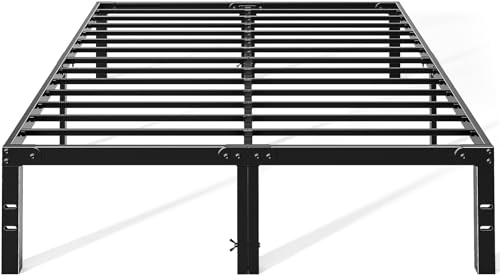
OLIXIS Full Size Metal Platform Bed Frame with Storage Space, Heavy Duty Sturdy Mattress Foundation, Strong Support Slats, 800LBS, Easy to Assemble, Black
Check price on Amazon
Hafenpo 12 Inch Full Bed Frame, Under Bed Storage, Black | Sturdy Metal Platform Full Size, No Box Spring Needed, Heavy Duty, Easy Assembly, Strong Bearing Capacity
Check price on Amazon
Chroark Full Size Metal Bed Frame with Headboard and Footboard,Black | 12 Inch Underbed Storage Space, Heavy Duty Mattress Foundation, Steel Slat Support, No Box Spring Needed
Check price on Amazon
OURPIC Full Size Bed Frame with LED Lights & Charging, Black Platform Bed | Upholstered headboard shelf, under-bed storage, no box spring, easy assembly, sturdy steel frame, noise-free, RGB 60k colors
Check price on AmazonHow to Choose the Right Full Frame Camera
With so many options, narrowing down your choice can feel overwhelming. Use these five steps to find the perfect full frame camera for your needs and budget.
For those who need a camera that connects seamlessly to their phone for quick sharing, consider a model with Bluetooth or Wi-Fi. Our digital camera with Bluetooth transfer guide explains the benefits.
Full Frame for Every Photography Style
Full frame cameras are versatile, but they truly shine in certain genres. Here's how different photographers benefit:
- Portrait & Wedding: The shallow depth of field and beautiful bokeh make full frame ideal for isolating subjects and creating romantic backgrounds.
- Landscape: Wider dynamic range and true wide-angle focal lengths help capture expansive scenes with detail in every corner.
- Astrophotography: Exceptional low-light performance and high ISO capabilities are essential for capturing the Milky Way. See our astrophotography guide for specific recommendations.
- Sports & Action: While APS-C has a reach advantage, full frame cameras with fast burst rates and advanced autofocus are favored by many sports pros. Our mirrorless camera for sports photography guide explores this further.
- Nature & Wildlife: Full frame excels in low-light forests and for dramatic environmental portraits. Pair with a telephoto lens for wildlife. See our beginner camera for nature photography guide.
- Street & Documentary: The discreet size of full frame mirrorless cameras makes them great for candid street photography, especially with a compact prime lens.
If you're just getting into photography and want to start with full frame, our professional photography camera for beginners guide can help you choose a user-friendly model. For those on a tighter budget, consider a cheap photography camera for beginners that still offers full frame quality.
Essential Lenses for Your Full Frame Camera
To get the most out of your full frame sensor, invest in quality glass. Here are the lens types every full frame owner should consider:
- 50mm f/1.8 or f/1.4 Prime: The classic "nifty fifty" offers a natural field of view and excellent low-light performance at an affordable price.
- 24-70mm f/2.8 Zoom: A versatile workhorse for events, portraits, and everyday shooting. Ideal for professionals.
- 70-200mm f/2.8 Telephoto Zoom: Essential for portraits, sports, and wildlife. Delivers beautiful compression and background blur.
- 16-35mm f/2.8 or f/4 Wide-Angle Zoom: Perfect for landscapes, architecture, and interior photography.
- 85mm f/1.8 or f/1.4 Portrait Prime: The go-to lens for flattering portraits with creamy bokeh.
- Macro Lens (100mm f/2.8): For extreme close-up detail of flowers, insects, and products.
When building your kit, consider third-party lenses from Sigma, Tamron, and Samyang — they often offer excellent performance at lower prices. For more on camera gear essentials, visit our camera gear hub.
Frequently Asked Questions About Full Frame Cameras
Yes, if you're serious about photography and can afford the investment. Full frame cameras are more forgiving in low light and help you learn depth of field more intuitively. However, a good APS-C camera with quality lenses can also produce stunning results. If budget is a concern, start with APS-C and upgrade later.
Most full frame cameras can mount APS-C lenses, but they will automatically crop the image (reducing resolution) or show vignetting. Some cameras let you disable the crop, but you'll see dark corners. It's best to use full frame lenses to get the most from your sensor.
Entry-level full frame mirrorless cameras from Canon, Nikon, Sony, and Panasonic start around $1,000–$1,500 for the body. Prices fluctuate with sales, so check current deals. Our cheapest full frame mirrorless camera guide has up-to-date recommendations.
Generally, yes — especially in low light and for shallow depth of field. Full frame sensors also tend to offer better dynamic range and less noise in video. However, some APS-C and Micro Four Thirds cameras are excellent for video, particularly for vlogging where deeper depth of field is helpful. It depends on your specific needs.
Full frame sensors are delicate. Use a rocket blower first to remove loose dust. For stubborn spots, use sensor swabs and cleaning solution specifically designed for full frame sensors. If you're not comfortable, have a professional clean it. Never use compressed air or touch the sensor with your fingers.
No. Full frame is the most popular format for professional and enthusiast photographers. Both DSLR and mirrorless full frame systems continue to evolve with new models and lenses. It's a safe long-term investment.
Ready to Go Full Frame?
Browse our top recommended full frame cameras above and start capturing images with unmatched depth, clarity, and low-light performance.
VIEW TOP PICKSFinal Thoughts
A full frame camera is a powerful tool that opens up new creative possibilities. Whether you're a portrait photographer chasing creamy bokeh, a landscape shooter demanding dynamic range, or a hybrid creator needing cinematic video, full frame delivers. Use this guide to weigh your options, set a realistic budget, and choose a system that grows with you. And remember — the camera is just the beginning. Invest in good lenses, learn your craft, and your full frame sensor will reward you with images you'll be proud to share.
For more help on your photography journey, explore our other guides on camera gear, digital cameras for photography, and camera spec comparison. Happy shooting!