
Mirrorless Camera for Wildlife Photography
Capture the raw beauty of nature with the perfect mirrorless camera. Learn how to choose the right gear for fast action, long reach, and stunning detail in the wild.
Explore the GuideWildlife photography is one of the most demanding genres in photography. It requires split-second timing, exceptional autofocus, and the ability to reach distant subjects without disturbing them. Mirrorless cameras have rapidly become the preferred choice for wildlife photographers, offering blazing-fast burst rates, advanced subject detection, and silent shooting modes. This guide will walk you through everything you need to know to choose the right mirrorless camera for wildlife photography, from sensor size to lens compatibility.
If you're just starting out, you might also want to explore our guide on a beginner camera for nature photography to build a solid foundation before diving into specialized wildlife gear.
Why Mirrorless Cameras Excel at Wildlife Photography
Mirrorless cameras have several inherent advantages over traditional DSLRs when it comes to wildlife photography. The absence of a mirror mechanism allows for faster continuous shooting, silent operation, and real-time exposure preview through the electronic viewfinder (EVF). This means you can see exactly what your shot will look like before you press the shutter, which is invaluable when tracking fast-moving animals.
Additionally, mirrorless systems often feature advanced AI-based autofocus that can detect and track animals, birds, and even their eyes. This technology dramatically improves your hit rate when shooting unpredictable wildlife. For action-packed scenes, a mirrorless camera for sports photography shares many of the same speed and autofocus benefits, making it a great cross-reference for understanding high-speed performance.
Key Features to Look For
⚡ Fast Autofocus
Look for cameras with phase-detection AF, animal eye detection, and tracking that can lock onto moving subjects instantly.
📸 High Burst Rate
A minimum of 10 fps is recommended, but 20 fps or more is ideal for capturing birds in flight and running animals.
🔭 Telephoto Reach
APS-C or Micro Four Thirds sensors offer a crop factor that extends your effective focal length, giving you more reach with smaller lenses.
🌙 Low-Light Performance
Wildlife is most active at dawn and dusk. A sensor with good high-ISO performance and minimal noise is essential.
🔇 Silent Shooting
Electronic shutter modes let you shoot without disturbing shy animals, making it easier to capture natural behavior.
🔋 Battery Life & Weather Sealing
Long shoots in harsh conditions demand durable build quality and batteries that last. Always carry spares.
Sensor Size: Full Frame vs. APS-C vs. Micro Four Thirds
Your choice of sensor size has a massive impact on your wildlife photography. Full-frame sensors offer the best low-light performance and dynamic range, but they require larger, heavier, and more expensive telephoto lenses. If you want to understand the full range of benefits, our full-frame guide provides an in-depth look at this format.
APS-C sensors provide a 1.5x or 1.6x crop factor, effectively multiplying your lens's focal length. This means a 300mm lens behaves like a 450mm lens, giving you extra reach without the cost and weight of a full-frame super-telephoto. Micro Four Thirds offers an even greater 2x crop factor, making it a favorite for photographers who prioritize portability and reach above all else.
For those on a tighter budget who still want the benefits of full-frame, there are now more affordable options. Check out our guide to the cheapest full-frame mirrorless camera to see if this path is right for you.
Lenses: The Real Investment
In wildlife photography, your lens is just as important as your camera body—often more so. You'll need a telephoto lens with a focal length of at least 300mm, though 400mm to 600mm is the sweet spot for most situations. Prime telephoto lenses offer superior sharpness and faster apertures, while zoom lenses provide flexibility when animals move closer or farther away.
Don't forget that teleconverters can extend your reach even further. Our guide on teleconverters explains how to use them effectively without sacrificing too much image quality. When choosing a lens, also consider its weight and balance with your camera body, as you'll likely be hand-holding or using a monopod for extended periods.
For photographers who also enjoy capturing the night sky, the principles of low-light performance and lens quality are similar. You might find our article on a mirrorless camera for astrophotography useful for understanding how sensors and lenses handle challenging lighting conditions.
Recommended Mirrorless Cameras for Wildlife Photography
⚠️ AFFILIATE DISCLOSURE: This website contains affiliate links. As an affiliate Associate, we earn from qualifying purchases. If you make a purchase through these links, we may receive a small commission at no additional cost to you. Read our full affiliate policy.
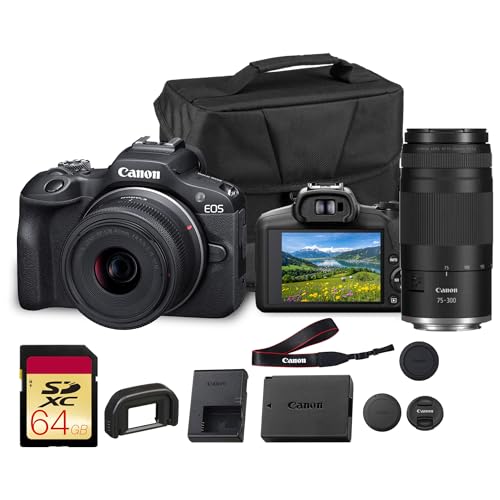
Canon EOS R100 Mirrorless Camera with 18-45mm & 75-300mm Double Lens Bundle | For Photography & Video | 24.2MP APS-C Mirrorless Camera | 4K Video | Dual Pixel Autofocus + 64GB Memory Card + Camera Bag
Check price on Amazon
Canon EOS R100 Mirrorless Camera RF-S18-45mm F4.5-6.3 is STM Lens Kit | 24.1 Megapixel CMOS (APS-C) Sensor, 4K Video, Wi-Fi & Bluetooth, Beginner Photographers & Creators, Digital Camera
Check price on Amazon
Canon EOS R50 Mirrorless Camera RF-S18-45mm F4.5-6.3 is STM Lens Kit | 24.2 Megapixel CMOS (APS-C) Sensor, 4K Video, Vlogging, Content Creation, Photography, Digital Camera, Black
Check price on Amazon
Canon EOS RP Mirrorless Camera RF24-105mm Lens F4-7.1 is STM Lens Kit | Full-Frame Interchangeable Lens Camera, Compact & Lightweight for Traveling & Vlogging
Check price on Amazon
Canon EOS R7 Mirrorless Camera with 75-300mm Lens (5137C002) Bundle | For Wildlife & Sports | 32.5MP APS-C Mirrorless Camera | 4K 60p Video | In-Body Stabilization + 64GB Memory Card + Camera Bag
Check price on Amazon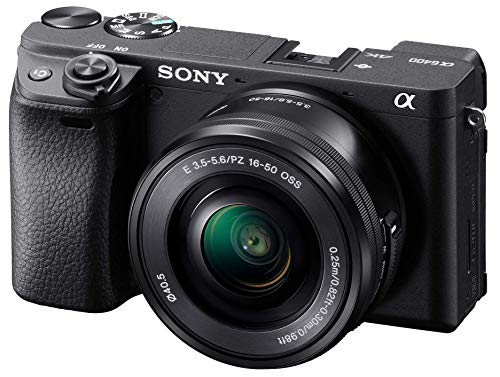
Sony Alpha a6400 Mirrorless Camera: Compact APS-C Interchangeable Lens Digital Camera with Real-Time Eye Auto Focus, 4K Video, Flip Screen & 16-50mm Lens - E Mount Compatible - ILCE-6400L/B, Black
Check price on Amazon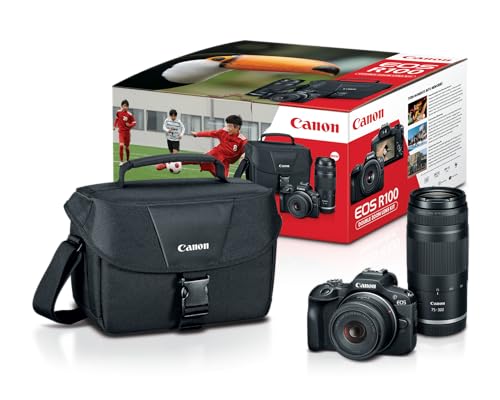
Canon EOS R100 Double Zoom Lens Kit, Black | Optical Image Stabilization provides up to 4 stops of correction, Dual Pixel CMOS AF with Eye Detection ensures fast
Check price on Amazon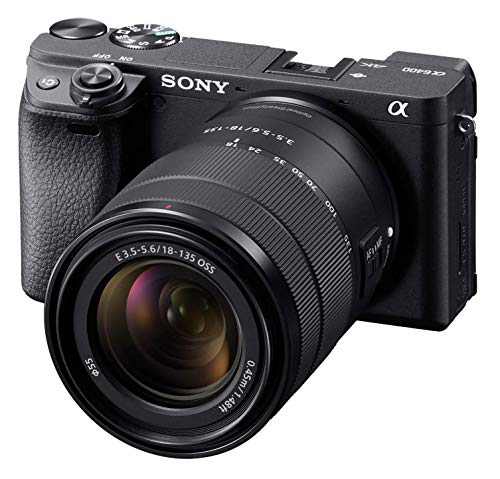
Sony Alpha a6400 Mirrorless Camera with 18-135mm Lens Black | 18-135mm
Check price on AmazonEssential Accessories and Techniques
Beyond the camera and lens, a few key accessories can make or break your wildlife shoot. A sturdy tripod or monopod is essential for stability with heavy telephoto lenses. Fast, high-capacity memory cards are a must for continuous burst shooting. And a good camera bag that protects your gear from the elements is non-negotiable.
When it comes to technique, patience is your greatest asset. Learn to anticipate animal behavior, use natural cover to avoid detection, and always respect wildlife and their habitats. Practice tracking moving subjects with your camera's AF system, and don't be afraid to use a high shutter speed to freeze action.
If you're looking to expand your overall camera knowledge, exploring a comprehensive camera gear resource can help you make informed decisions about everything from memory cards to cleaning kits.
Ready to Capture the Wild?
Choosing the right mirrorless camera for wildlife photography is an investment in your craft. With the right gear and a bit of patience, you'll be rewarded with images that inspire and endure.
View Recommended CamerasFinal Thoughts
The best mirrorless camera for wildlife photography is the one that fits your hands, your budget, and your specific needs. Whether you choose a full-frame powerhouse for low-light excellence or a compact APS-C system for ultimate reach, mirrorless technology offers incredible tools for capturing the natural world. Take your time, research your options, and get out there—the wild is waiting.
For those who are just beginning their photography journey, our guide to a digital camera for photography can help you understand the fundamentals before specializing in wildlife.