
Mirrorless Camera for Astrophotography: The Ultimate Guide
Unlock the secrets of the night sky. Whether you're capturing the Milky Way or deep-sky objects, choosing the right mirrorless camera is the most critical step. We break down the essential specs, sensor types, and lens choices to help you capture breathtaking astrophotography.
Why Mirrorless Cameras Are Ideal for Astrophotography
Mirrorless cameras have revolutionized astrophotography. Their lack of a mirror mechanism reduces vibration, and their electronic viewfinders (EVF) allow you to see a real-time preview of your exposure, which is crucial when framing faint stars in near-total darkness. Additionally, the shorter flange distance of mirrorless systems allows for the use of a vast array of legacy lenses via adapters, and modern mirrorless sensors often boast superior low-light performance and dynamic range compared to their DSLR counterparts.
When you're looking at a mirrorless camera for astrophotography, the sensor is your primary concern. A full-frame sensor is generally preferred because it collects more light and offers a wider field of view, which is essential for capturing large nebulae and the galactic core. However, high-end APS-C sensors can also deliver impressive results, especially when paired with a camera gear setup that includes a fast, wide-angle lens.
For those just starting their journey into night sky photography, you might also want to look at a beginner photography camera that offers good manual controls and a decent sensor, or if you're on a tighter budget, a cheap photography camera for beginners can be a great entry point. The key is to prioritize sensor performance over megapixels; a 24MP full-frame sensor will vastly outperform a 48MP smartphone sensor in low light.
Essential Features to Look For
Not all mirrorless cameras are created equal for astrophotography. Here are the specifications that matter most when you're shooting in the dark.
1. Sensor Size and Performance
Full-frame sensors are the gold standard for astrophotography due to their superior light-gathering capability and wider field of view. They offer better dynamic range and less noise at high ISO settings (typically ISO 3200-6400). If you are looking for the most affordable way to get into full-frame astrophotography, consider the cheapest full frame mirrorless camera that still offers good ISO performance.
2. Lens Mount and Ecosystem
The availability of wide, fast lenses (e.g., 14mm f/1.8, 20mm f/1.4) is crucial. Mirrorless systems like Sony E-mount, Canon RF, and Nikon Z have a growing selection of astrophotography-friendly lenses. If you are considering adapting older lenses, be sure to check for teleconverters or adapters that maintain electronic communication, though for wide-field astro, manual focus lenses are often preferred for their precision.
3. ISO Invariance
This is a technical term that means a camera's sensor produces the same level of noise whether you shoot at ISO 1600 and push the exposure in post, or shoot at ISO 6400 natively. ISO-invariant sensors give you incredible flexibility in post-processing. Many modern full-frame mirrorless cameras are highly ISO-invariant, making them excellent for astrophotography.
4. Battery Life and Power
Long exposures and time-lapses drain batteries quickly. Look for a camera that supports USB-C power delivery (PD) so you can power it with a power bank. This is a game-changer for overnight shooting sessions. If you are using a camera that doesn't support USB-C PD, you'll need to carry multiple spare batteries.
Mirrorless vs. DSLR for Astrophotography
While DSLRs have been the traditional choice for astrophotography, mirrorless cameras have closed the gap and often surpassed them. Here's a quick comparison:
| Feature | Mirrorless | DSLR |
|---|---|---|
| Vibration | Minimal (no mirror slap) | Higher (mirror slap can cause blur) |
| Focusing in Dark | EVF allows magnified preview; easier to focus on stars | Optical viewfinder can be hard to see in dark |
| Lens Adapters | Can adapt almost any lens (short flange distance) | Limited to DSLR mounts |
| Live View Performance | Excellent; real-time exposure preview | Often sluggish and limited |
| Size & Weight | Generally lighter and more compact | Bulkier due to mirror box |
For these reasons, a mirrorless camera for astrophotography is often the better choice, especially for those who are just starting out and want a system that is easy to use in the field. If you're also interested in other types of photography like wildlife, you might want to check out a mirrorless camera for wildlife photography, but be aware that the lens requirements are vastly different.
Recommended Mirrorless Cameras for Astrophotography
⚠️ AFFILIATE DISCLOSURE: This website contains affiliate links. As an affiliate Associate, we earn from qualifying purchases. If you make a purchase through these links, we may receive a small commission at no additional cost to you. Read our full affiliate policy.

Canon EOS R100 Mirrorless Camera RF-S18-45mm F4.5-6.3 is STM Lens Kit | 24.1 Megapixel CMOS (APS-C) Sensor, 4K Video, Wi-Fi & Bluetooth, Beginner Photographers & Creators, Digital Camera
Check price on Amazon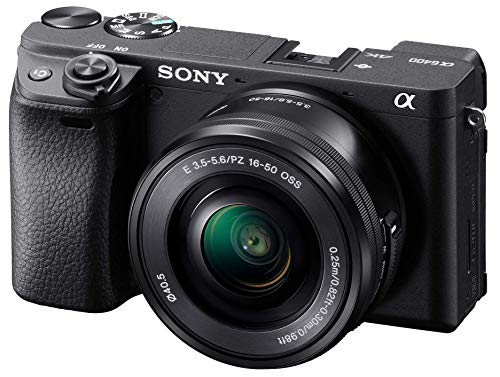
Sony Alpha a6400 Mirrorless Camera: Compact APS-C Interchangeable Lens Digital Camera with Real-Time Eye Auto Focus, 4K Video, Flip Screen & 16-50mm Lens - E Mount Compatible - ILCE-6400L/B, Black
Check price on Amazon
Om System -3 Astro Mirrorless Camera, Silver | 20.4MP Stacked BSI sensor with 7.5-stop stabilization for astrophotography, wildlife and travel
Check price on Amazon
Canon EOS RP Mirrorless Camera RF24-105mm Lens F4-7.1 is STM Lens Kit | Full-Frame Interchangeable Lens Camera, Compact & Lightweight for Traveling & Vlogging
Check price on Amazon
Astrophotography for Beginners: A Step-by-Step Guide to Photographing the Moon, Stars, Milky Way, Nebulae, and Deep-Sky Objects with DSLR, Mirrorless Cameras, and Telescopes
Check price on Amazon
NEEWER 23.6"/600mm USB Lens Heater Warmer, 3 Temperature Settings, HW-23B | Dew Heater Strip, Prevents Dew Fog Condensation, for DSLR Mirrorless Camera, Telescope Binocular Astrophotography
Check price on Amazon
SVBONY SV535 APO Astro Camera Lens, 105mm Focal Length Astrophotography Len | F/2.8 Telephoto Lens, Full Frame, M42/E-mount Compatible with Sony Mirrorless Camera,Wide-Field Deep Sky EAA Astrophotography
Check price on AmazonHow to Choose the Right Mirrorless Camera for Your Needs
With so many options on the market, it can be overwhelming. Here is a step-by-step guide to help you make the right decision.
Step 1: Determine Your Budget
Mirrorless cameras for astrophotography range from around $800 for a capable APS-C model to $2,500+ for a high-end full-frame body. If you're on a tight budget, consider a used full-frame mirrorless camera from a previous generation. You can often find excellent deals on cameras that are still very capable for astrophotography.
Step 2: Choose Your Sensor Size
If you want the best possible image quality and are willing to invest in expensive lenses, go full-frame. If you're just starting out or need a lighter setup, APS-C is a great alternative. A professional photography camera for beginners often refers to high-end APS-C or entry-level full-frame models that offer manual controls and good low-light performance.
Step 3: Consider the Lens Ecosystem
Your camera is only as good as the lens you put on it. For astrophotography, you'll want a fast, wide-angle lens. Look for lenses with an aperture of f/2.8 or wider. Prime lenses are generally sharper and have fewer aberrations than zoom lenses, which is critical for astrophotography. If you're also interested in other genres, you might want to look at a digital camera for photography that offers a versatile lens mount.
Step 4: Check for Specific Astrophotography Features
Some cameras have special features like "Starry Sky AF" (Olympus/OM System) or "Night Mode" that can make focusing easier. Others have a "Bulb" mode that can be controlled via a remote shutter release. These features can be incredibly helpful when you're out in the field.
Final Thoughts: Capturing the Cosmos
Astrophotography is a rewarding but challenging genre. The right mirrorless camera will make the learning curve much smoother. Whether you choose a full-frame powerhouse or a lightweight APS-C model, the key is to get out there and practice. Start with wide-field shots of the Milky Way, and as you gain experience, you can move on to deep-sky objects like nebulae and galaxies.
Remember, the best camera is the one you have with you. If you're looking to explore other types of photography as well, you might find a mirrorless camera for sports photography or a DSLR camera for professional photography to be more suited to your needs. But for the night sky, a mirrorless camera with a great sensor and a fast wide lens is your best bet.
If you're just starting your photography journey in general, you might want to check out a beginner camera for nature photography to get a feel for manual controls before diving into the deep end of astrophotography. The principles you learn there, like the exposure triangle, are universal.