
DSLR Camera for Professional Photography
Discover how to choose a professional DSLR that delivers exceptional image quality, reliable performance, and the versatility needed for demanding commercial, editorial, and studio work.
EXPLORE PROFESSIONAL DSLR OPTIONSWhy Professional DSLRs Still Matter: While mirrorless systems have gained popularity, DSLR cameras remain a cornerstone for professional photographers who value optical viewfinders, extensive native lens libraries, superior battery life, and proven autofocus systems that excel in low-light and fast-action scenarios.
Why Choose a DSLR for Professional Photography?
When your livelihood depends on capturing the perfect shot, the camera you choose becomes an extension of your creative vision. A DSLR camera for professional photography offers distinct advantages that continue to make it the preferred tool for wedding photographers, sports shooters, commercial studios, and photojournalists worldwide.
The optical viewfinder provides a lag-free, true-to-life preview of your scene, which is invaluable when timing is critical. Unlike electronic viewfinders, an optical viewfinder never refreshes, never lags, and never drains your battery. This makes DSLRs exceptionally reliable for extended shoots where every moment counts.
Battery life is another compelling reason. A professional DSLR can typically capture 1,000 to 2,000 shots on a single charge, far exceeding most mirrorless counterparts. For wedding photographers covering a full day or sports photographers on the sidelines, this endurance is a game-changer. If you're still exploring different camera types, our guide on digital cameras for photography can help you understand the broader landscape.
Furthermore, the extensive ecosystem of lenses, flashes, and accessories built around DSLR systems over decades means you have unparalleled choice and availability. Whether you need a fast prime for portraits, a macro lens for product work, or a super-telephoto for wildlife, the DSLR mount system has you covered.
Essential Features in a Professional DSLR
Not all DSLRs are created equal. Professional-grade models distinguish themselves through specific features that directly impact image quality, workflow efficiency, and durability. Understanding these features will help you make an informed investment.
1. Full-Frame Sensor
The heart of any professional DSLR is its sensor. A full-frame sensor (36mm x 24mm) offers significant advantages over smaller APS-C sensors, including better low-light performance, shallower depth of field for creative control, and wider dynamic range. These benefits are crucial when shooting in challenging lighting conditions or when you need to separate your subject from the background with beautiful bokeh.
2. Advanced Autofocus System
Professional DSLRs feature sophisticated autofocus systems with dozens of cross-type AF points. These systems can track fast-moving subjects with remarkable accuracy, making them ideal for sports, wildlife, and action photography. Look for cameras with dedicated AF processors and customizable tracking modes to suit your specific genre.
3. High Burst Rate
When capturing decisive moments, burst rate matters. Professional DSLRs typically offer 7 to 14 frames per second (fps) with continuous autofocus. This capability ensures you never miss the critical instant, whether it's a bride's tearful smile or a sprinter crossing the finish line.
4. Weather Sealing and Build Quality
Professional work often takes you outdoors in less-than-ideal conditions. A weather-sealed magnesium alloy body protects your investment from dust, moisture, and impact. This durability is essential for photographers who work in diverse environments, from dusty deserts to rainy city streets.
5. Dual Card Slots
Losing a client's images due to card failure is a nightmare no professional wants to experience. Dual card slots allow you to record simultaneously to two cards, providing instant backup and peace of mind. Some cameras even let you record different file formats to each card, streamlining your workflow.
6. Tethering and Connectivity
Studio photographers rely on tethered shooting to review images on a larger screen in real-time. Professional DSLRs support fast USB or Wi-Fi tethering, enabling seamless integration with capture software. This feature is invaluable for client presentations and collaborative shoots.
DSLR vs. Mirrorless for Professional Work
The debate between DSLR and mirrorless systems is ongoing, and the right choice depends on your specific needs. Here's a balanced comparison to help you decide:
Optical Viewfinder
DSLRs offer a true optical view of the scene with zero lag and no battery drain. Mirrorless cameras use electronic viewfinders that can preview exposure but may lag in fast action.
Battery Life
DSLRs typically deliver 1,000+ shots per charge. Mirrorless cameras often struggle to reach 400 shots, requiring multiple spare batteries for full-day shoots.
Lens Selection
DSLR mounts have decades of native lenses available, including affordable third-party options. Mirrorless systems are catching up but still have fewer native choices.
Size and Weight
Mirrorless cameras are generally smaller and lighter, which can be advantageous for travel and street photography. DSLRs are bulkier but often balance better with large telephoto lenses.
Autofocus Innovation
Mirrorless cameras lead in AI-based subject detection and eye-tracking. DSLRs rely on phase-detection modules that are highly refined but less flexible for some scenarios.
Video Capabilities
Mirrorless cameras generally offer superior video features, including 4K/120p and log profiles. DSLRs are improving but remain primarily stills-focused tools.
For photographers who prioritize still image quality, battery life, and lens selection, a DSLR remains an excellent choice. Those who need advanced video features or prefer a lighter kit may lean toward mirrorless. If you're considering mirrorless for specific genres, explore our guides on mirrorless cameras for wildlife photography and mirrorless cameras for sports photography.
Budget Considerations for Professional DSLRs
Investing in a professional DSLR is a significant decision, and understanding the price landscape helps you allocate your budget effectively. Below is a general guide to what you can expect at different price points:
| Price Range | What to Expect |
|---|---|
| $800–$1,500 | Entry-level full-frame DSLRs or high-end APS-C models. Good for emerging professionals building their portfolio. May lack dual card slots and advanced weather sealing. |
| $1,500–$2,500 | Mid-range full-frame DSLRs with robust autofocus, dual card slots, and solid build quality. Suitable for wedding, portrait, and commercial work. |
| $2,500–$4,000 | Professional-grade full-frame DSLRs with flagship autofocus systems, high burst rates, and exceptional low-light performance. Ideal for sports, wildlife, and photojournalism. |
| $4,000+ | Flagship models with the highest resolution sensors, fastest processors, and most advanced features. Reserved for specialized professional applications. |
Pro Tip: Don't forget to budget for lenses. A professional DSLR body is only as good as the glass you pair it with. Allocate at least 40-50% of your total budget to high-quality lenses, as they have a greater impact on image quality than the camera body itself.
If you're just starting your professional journey, you might also consider a professional photography camera for beginners or explore cheap photography cameras for beginners to get started without breaking the bank.
Recommended DSLR Cameras for Professionals
Based on extensive research and professional feedback, here are some of the top DSLR cameras that consistently deliver outstanding results for professional photographers:
Best Overall: Canon EOS 5D Mark IV
The Canon EOS 5D Mark IV remains a workhorse for wedding and portrait photographers. Its 30.4MP full-frame sensor delivers exceptional detail, while the 61-point autofocus system ensures reliable performance in various conditions. The dual card slots and robust weather sealing make it a dependable choice for demanding shoots.
Best for Sports and Action: Nikon D850
The Nikon D850 is a powerhouse for action photographers. With a 45.7MP sensor, 7 fps burst rate (9 fps with battery grip), and 153-point autofocus system, it excels at capturing fast-moving subjects with incredible detail. The tilting touchscreen and 4K video capabilities add versatility.
Best for Low Light: Canon EOS-1D X Mark III
When shooting in challenging lighting conditions, the Canon EOS-1D X Mark III shines. Its 20.1MP sensor may seem modest, but its ISO range of 100-102,400 (expandable to 819,200) delivers clean images where other cameras struggle. The 20 fps burst rate with autofocus tracking makes it ideal for photojournalism and sports.
Best Value: Nikon D780
The Nikon D780 offers an excellent balance of price and performance. Its 24.5MP sensor, 51-point autofocus system, and 7 fps burst rate provide professional-level capabilities at a more accessible price point. The camera also borrows video features from Nikon's mirrorless lineup, making it a versatile hybrid tool.
For those interested in exploring other camera types, our guide on beginner photography cameras can provide additional context. If you're considering a second camera for travel or casual shooting, a digital camera for photography might complement your professional kit.
Essential Lenses for Professional DSLR Photography
Your lens selection dramatically impacts the quality and character of your images. Here are the essential lenses every professional DSLR photographer should consider:
1. 24-70mm f/2.8 Standard Zoom
This is the workhorse lens for most professional photographers. Its versatile focal range covers everything from wide-angle group shots to tight portraits. The constant f/2.8 aperture ensures excellent low-light performance and beautiful background blur. This lens alone can handle 80% of most professional assignments.
2. 70-200mm f/2.8 Telephoto Zoom
Essential for portrait, wedding, and sports photography, this lens provides compression and subject isolation that's difficult to achieve with shorter focal lengths. The fast aperture enables shooting in challenging light while maintaining sharpness and contrast.
3. 50mm f/1.4 or f/1.2 Prime
A fast 50mm prime is indispensable for low-light work and creative portraiture. Its wide aperture allows for shooting in near-darkness and creates stunning bokeh that clients love. This lens is also compact and lightweight, making it perfect for travel and street photography.
4. 16-35mm f/2.8 Ultra-Wide Zoom
For architectural, landscape, and event photography, an ultra-wide zoom is essential. It captures expansive scenes and creates dramatic perspectives that draw viewers into the image. The fast aperture is crucial for interior and night photography.
5. 100mm Macro Lens
Product photographers, food photographers, and nature shooters rely on macro lenses for close-up work. A 100mm macro provides a comfortable working distance and delivers incredible detail with edge-to-edge sharpness.
When building your lens collection, consider using teleconverters to extend the reach of your telephoto lenses without purchasing additional glass. For photographers interested in exploring different camera formats, our guide on the cheapest full-frame mirrorless camera might provide alternative options.
Must-Have Accessories for Professional DSLR Work
Beyond the camera and lenses, certain accessories are essential for professional workflow and reliability:
- Spare Batteries: Always carry at least two additional batteries. Professional shoots can last hours, and running out of power mid-session is unacceptable.
- High-Speed Memory Cards: Invest in fast, reliable cards from reputable brands. Dual card slots mean you'll need two cards per shoot, and fast write speeds prevent buffer issues during burst shooting.
- Camera Bag: A professional-grade backpack or shoulder bag protects your investment and organizes your gear for quick access. Look for weather-resistant materials and customizable dividers.
- Sturdy Tripod: Essential for landscape, architectural, and studio work. A carbon fiber tripod offers the best balance of stability and portability.
- Speedlight or Studio Strobes: Off-camera lighting opens up creative possibilities and ensures consistent results in any environment.
- Lens Filters: UV filters protect your expensive glass, while polarizers and neutral density filters expand creative control.
- Cleaning Kit: Regular sensor and lens cleaning maintains image quality and prevents costly repairs. Our guide on camera gear covers essential maintenance tools.
Investment Tip: Don't overlook the importance of a reliable backup system. External hard drives, cloud storage, and a disciplined backup workflow protect your clients' images and your reputation. Losing a wedding gallery due to a hard drive failure is a professional nightmare that proper backups prevent.
Smart Buying Tips for Professional DSLR Cameras
Before making your purchase, consider these practical tips to ensure you get the best value and the right camera for your needs:
Buy Refurbished or Used
Professional DSLRs depreciate quickly, especially when new models are released. Buying certified refurbished from the manufacturer or gently used from reputable sellers can save you 30-50% while still getting a camera with thousands of shots of life remaining. Just verify the shutter count and ensure the seller offers a return policy.
Consider the Lens Ecosystem
Your camera brand locks you into a lens mount system. Before committing, research the lenses available for that mount, including third-party options from Sigma, Tamron, and Tokina. A camera with a limited lens selection will frustrate you later.
Try Before You Buy
Ergonomics matter, especially for professionals who hold their cameras for hours. Visit a local camera store to handle different models. Pay attention to button placement, grip comfort, and menu navigation. The best camera is the one that feels natural in your hands.
Factor in Total Cost of Ownership
The camera body is just the beginning. Consider the cost of lenses, memory cards, batteries, bags, and insurance. Some brands have more affordable accessories than others, which can significantly impact your long-term investment.
For photographers exploring alternative options, our guides on cheapest medium format digital camera and full-frame cameras provide additional perspectives on professional imaging systems.
The Verdict: Is a DSLR Right for Your Professional Work?
A DSLR camera for professional photography remains an excellent choice for photographers who prioritize optical viewfinders, exceptional battery life, extensive lens selection, and proven reliability. While mirrorless systems offer advantages in video and portability, DSLRs continue to deliver outstanding still image quality and performance that meets the demands of the most challenging professional assignments.
If you're shooting weddings, portraits, events, sports, or wildlife, a professional DSLR provides the tools you need to deliver exceptional results to your clients. The key is to choose a model that matches your specific requirements, invest in quality lenses, and practice until the camera becomes an intuitive extension of your creative vision.
For those just beginning their professional journey, consider starting with a professional photography camera for beginners or beginner camera for nature photography to build your skills before investing in flagship equipment. And if you're exploring other genres, our guides on beginner camera for sports photography and cheap vlogging camera with flip screen offer additional starting points.
Final Thought: The best camera is the one that helps you create the images your clients love. Whether you choose a DSLR or mirrorless system, invest in quality glass, master your craft, and never stop learning. Your gear is a tool—your vision is what makes it extraordinary.
Top-Rated Professional DSLR Cameras
⚠️ AFFILIATE DISCLOSURE: This website contains affiliate links. As an affiliate Associate, we earn from qualifying purchases. If you make a purchase through these links, we may receive a small commission at no additional cost to you. Read our full affiliate policy.

Canon EOS Rebel T7 DSLR Camera EF-S 18-55mm f/3.5-5.6 is II Lens Kit | 24.1 Megapixel CMOS (APS-C) Sensor, Full HD Videos, Built-in Wi-Fi, Beginner Photographers, Digital Camera
Check price on Amazon
Canon EOS Rebel T7 DSLR Camera Double Zoom Lens Kit | EF-S 18-55mm & EF 75-300mm Lenses, 24.1 Megapixel CMOS (APS-C) Sensor, Full HD Videos, Wi-Fi, Beginner Photographers
Check price on Amazon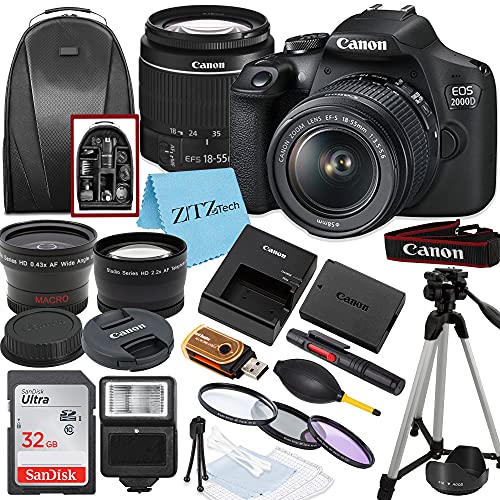
Canon EOS 2000D / Rebel T7 DSLR Camera with EF-S 18-55mm Lens + SanDisk 32GB Card Tripod Case Wideangle Lenses ZeeTech Accessory Bundle (20pc Bundle) (18-55MM, Card) Black (Renewed)
Check price on Amazon
Canon EOS Rebel T7 DSLR Camera with 18-55mm Lens (Black) (Renewed) | 18-55mm
Check price on Amazon
Canon EOS Rebel T7 DSLR Camera with 18-55mm Lens Bundle | For Beginner Photography | 24.1MP APS-C DSLR Camera | Built-in Wi-Fi & NFC + 64GB Memory Card + Camera Bag
Check price on Amazon
Canon EOS Rebel T7 DSLR Camera w/EF-S 18-55mm F/3.5-5.6 Zoom Lens + 420-800mm Super Telephoto Lens + 100S Sling Backpack + 64GB Memory Cards, Professional Photo Bundle (42pc Bundle) (Renewed)
Check price on Amazon
Canon EOS Rebel T7 DSLR Camera Bundle with Canon EF-S 18-55mm f/3.5-5.6 is II Lens + 2X 32GB Memory Cards + Filters + Preferred Accessory Kit, Black (Renewed)
Check price on Amazon