
Full Frame Mirrorless Camera: The Ultimate Buying Guide
Unlock professional image quality and creative freedom. Learn everything you need to know before investing in a full frame mirrorless camera.
Why Go Full Frame Mirrorless? A full frame mirrorless camera combines the exceptional image quality of a large sensor with the compact, modern design of mirrorless technology. Whether you're a professional photographer or a passionate enthusiast, this guide will help you understand the key factors to consider, so you can make an informed decision and capture stunning images with confidence.
What Is a Full Frame Mirrorless Camera?
A full frame mirrorless camera features a 35mm-sized image sensor (approximately 36mm x 24mm), which is significantly larger than the APS-C or Micro Four Thirds sensors found in most entry-level and mid-range cameras. This larger sensor captures more light and offers a shallower depth of field, resulting in images with richer detail, better low-light performance, and beautiful background blur. Unlike traditional DSLRs, mirrorless cameras eliminate the optical viewfinder and mirror mechanism, allowing for a more compact body, faster burst shooting, and advanced autofocus systems that cover nearly the entire frame.
If you're upgrading from a smaller sensor or a point-and-shoot camera, a full frame mirrorless model can dramatically elevate your photography. It's also an excellent choice for those who have outgrown their entry-level DSLR camera and want a more portable yet powerful system. For professionals, a professional camera with a full frame sensor is often the standard for commercial, wedding, and portrait work.
Key Benefits of Full Frame Mirrorless Cameras
Superior Image Quality
The larger sensor captures more light and delivers exceptional dynamic range, accurate colors, and stunning detail in every shot.
Outstanding Low-Light Performance
Full frame sensors excel in low-light conditions, producing cleaner images with less noise at higher ISO settings.
Shallow Depth of Field
Easily create beautiful background blur (bokeh) to isolate your subject, perfect for portraits and creative compositions.
Compact & Lightweight
Mirrorless design means a smaller, lighter body compared to DSLRs, making it ideal for travel and everyday carry.
Advanced Autofocus
Modern mirrorless cameras feature AI-powered autofocus with eye and subject tracking for sharp results every time.
Versatile Lens Ecosystem
Access a growing range of high-quality lenses, from telephoto lenses to anamorphic lenses, for every creative need.
Pros and Cons of Full Frame Mirrorless Cameras
Pros
- Exceptional image quality and dynamic range
- Excellent low-light performance
- Shallow depth of field for creative control
- Compact and lightweight compared to DSLRs
- Fast and accurate autofocus systems
- Electronic viewfinder (EVF) shows real-time exposure
- Growing ecosystem of native lenses
Cons
- Higher price point than APS-C or Micro Four Thirds
- Larger and heavier lenses
- Shorter battery life due to EVF and electronic components
- Requires more expensive memory cards and storage
- Steeper learning curve for beginners
Key Features to Consider Before Buying
When shopping for a full frame mirrorless camera, keep these essential features in mind to ensure you choose the right model for your needs:
- Sensor Resolution: Choose between 24MP for balanced performance or 45MP+ for high-resolution detail and cropping flexibility.
- Autofocus System: Look for advanced phase-detection autofocus with eye and animal tracking for reliable results.
- Video Capabilities: If you shoot video, consider 4K or 6K recording, high frame rates, and log profiles for color grading.
- In-Body Image Stabilization (IBIS): Essential for handheld shooting, especially in low light or with telephoto lenses.
- Lens Mount: Choose a system with a wide range of lenses, such as Sony E-mount, Canon RF, Nikon Z, or L-mount.
- Ergonomics and Handling: A comfortable grip, intuitive controls, and a bright EVF make a big difference in real-world use.
- Battery Life: Mirrorless cameras consume more power, so consider spare batteries or a camera with efficient power management.
Full Frame Mirrorless vs. Other Camera Types
| Feature | Full Frame Mirrorless | APS-C Mirrorless | DSLR |
|---|---|---|---|
| Sensor Size | 36mm x 24mm | ~23.6mm x 15.7mm | 36mm x 24mm (Full Frame) |
| Image Quality | Excellent | Very Good | Excellent |
| Low-Light Performance | Outstanding | Good | Outstanding |
| Size & Weight | Compact & Light | Very Compact | Bulky & Heavy |
| Autofocus | Advanced (AI Tracking) | Advanced | Good (Optical) |
| Price Range | $1,500–$4,000+ | $800–$2,000 | $1,200–$3,500+ |
Who Should Buy a Full Frame Mirrorless Camera?
A full frame mirrorless camera is ideal for:
- Professional Photographers: Wedding, portrait, landscape, and commercial photographers who demand the highest image quality.
- Serious Enthusiasts: Hobbyists looking to take their skills to the next level and explore creative possibilities.
- Videographers & Content Creators: Those who need professional-grade video features in a compact form factor.
- Travel Photographers: Those who want pro-level quality without the bulk of a DSLR system.
If you're just starting out, you might also consider a mirrorless camera with an APS-C sensor or a DSLR camera as a more budget-friendly option. However, if you're ready to invest in a system that will grow with you, full frame mirrorless is the way to go. For those interested in a more specialized tool, a movie camera or professional cinematic camera might be worth exploring for high-end video production.
Top Rated Full Frame Mirrorless Cameras
⚠️ AFFILIATE DISCLOSURE: This website contains affiliate links. As an affiliate Associate, we earn from qualifying purchases. If you make a purchase through these links, we may receive a small commission at no additional cost to you. Read our full affiliate policy.

Canon EOS RP Mirrorless Camera RF24-105mm Lens F4-7.1 is STM Lens Kit | Full-Frame Interchangeable Lens Camera, Compact & Lightweight for Traveling & Vlogging
Check price on Amazon
Nikon Z 5 | Our Most Compact Full-Frame mirrorless Stills/Video Camera | Nikon USA Model
Check price on Amazon
Canon EOS R6 Mark II Mirrorless Camera RF24-105mm F4-7.1 is STM Lens Kit | Full-Frame Hybrid Camera, 24.2 Megapixel CMOS Sensor, Photo & Video Capabilities, RF Mount, Black
Check price on Amazon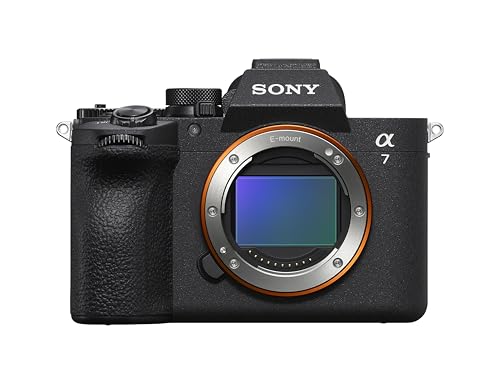
Sony Alpha a7 V Full-Frame Mirrorless Camera Body AI AF 30fps | 5-Axis in-Body Stabilization (Body Only), AI Autofocus
Check price on Amazon
Sony Alpha a7 IV Mirrorless Camera with 28-70mm Lens Black | 28-70mm Zoom Kit
Check price on Amazon
Sony Alpha 7 IV Full-frame Mirrorless Interchangeable Lens Camera
Check price on Amazon
Canon EOS R8 Mirrorless Camera with RF 24-50mm f/4.5-6.3 is STM Lens, Black | RF 24-50mm f 4.5-6.3 is STM
Check price on AmazonEssential Buying Tips
Set a Budget
Full frame mirrorless cameras range from $1,500 to over $4,000. Remember to budget for lenses, memory cards, and accessories.
Invest in Lenses
The lens often matters more than the camera body. Start with a versatile zoom lens, then add prime lenses for specific needs.
Try Before You Buy
Visit a store to handle the camera. Ergonomics and menu systems vary significantly between brands.
Consider the Ecosystem
Look at the available lenses and accessories for each system. A strong ecosystem ensures long-term flexibility.
Frequently Asked Questions
Is a full frame mirrorless camera worth it?
Yes, if you prioritize image quality, low-light performance, and creative control. It's an investment that pays off for professionals and serious enthusiasts alike.
Can I use DSLR lenses on a mirrorless camera?
Yes, with the right lens adapter. However, native mirrorless lenses generally offer better autofocus performance and compactness.
What is the best full frame mirrorless camera for beginners?
Entry-level full frame mirrorless models from Sony, Canon, and Nikon offer excellent value and user-friendly features for beginners.
How important is in-body image stabilization (IBIS)?
IBIS is highly beneficial for handheld shooting, especially in low light or with telephoto lenses. It allows you to use slower shutter speeds without blur.
Ready to Elevate Your Photography?
Browse our curated selection of top-rated full frame mirrorless cameras and find the perfect match for your creative journey.
View Recommended Cameras