The Complete Anamorphic Lens Guide
Unlock the secrets of cinematic widescreen visuals. Learn how anamorphic lenses work, why they create iconic lens flares, and how to choose the right one for your filmmaking journey.
Start Learning
Why Anamorphic? Anamorphic lenses are the secret behind the signature look of Hollywood blockbusters. They capture a wider field of view, create distinctive oval bokeh, and produce those famous horizontal blue lens flares. Whether you are a professional cinematographer or an aspiring filmmaker, understanding anamorphic optics is key to elevating your visual storytelling.
What Exactly Is an Anamorphic Lens?
An anamorphic lens is designed to squeeze a wider field of view onto a standard image sensor or film frame. During shooting, the lens compresses the image horizontally. In post-production, the footage is "desqueezed" to restore the original proportions, resulting in a stunning ultra-widescreen aspect ratio like 2.39:1 or 2.76:1. This process allows filmmakers to capture expansive cinematic scenes without losing vertical resolution.
Unlike standard spherical lenses, which project a circular image, anamorphic lenses project an oval-shaped image. This optical characteristic is what creates the beloved "anamorphic look" that so many creators strive for. If you are exploring different lens types, you might also be interested in our guide to the fisheye lens for a different kind of creative distortion.
How Do Anamorphic Lenses Work?
The magic of an anamorphic lens lies in its cylindrical lens elements. These elements compress the horizontal axis of the image while leaving the vertical axis untouched. This compression ratio is typically 1.33x, 1.5x, or 2x. A 2x squeeze, for example, compresses twice as much horizontal information onto the sensor. When projected or desqueezed, the image expands back to its intended widescreen format.
This process offers several creative and practical benefits. It allows you to use the full height of your sensor, maximizing resolution. It also creates the iconic oval bokeh and horizontal flares that are hallmarks of the anamorphic aesthetic. For those interested in the broader spectrum of camera gear, understanding how this compares to a standard telephoto lens can help you choose the right tool for your project.
Types of Anamorphic Lenses
Front Anamorphic Adapters
These adapters attach to the front of your existing spherical lens. They are a cost-effective way to achieve the anamorphic look without buying a dedicated lens. However, they can introduce some distortion and may require a diopter for close focusing.
Learn More →
Dedicated Anamorphic Lenses
These are purpose-built lenses designed from the ground up for anamorphic shooting. They offer superior optical quality, consistent squeeze ratios, and are available in various focal lengths. They are the preferred choice for professional productions.
Explore Cinema Cameras →
Anamorphic Primes vs. Zooms
Anamorphic prime lenses offer the best optical performance and are favored for their speed and sharpness. Anamorphic zooms provide flexibility on set but may compromise slightly on image quality and light transmission.
Read Full Guide →
Key Features & Benefits of Anamorphic Lenses
- Cinematic Widescreen Aspect Ratio: Capture scenes in 2.39:1 or wider without cropping, preserving vertical resolution.
- Iconic Lens Flares: Produce distinctive horizontal blue streaks that add a sci-fi or dramatic flair to your footage.
- Oval Bokeh: Out-of-focus highlights become oval-shaped, adding a unique, painterly quality to your background.
- Increased Field of View: Get a wider horizontal perspective without needing an extremely wide-angle lens.
- Enhanced Depth of Field: Anamorphic lenses often exhibit a shallower depth of field, helping to isolate your subject.
How to Choose the Right Anamorphic Lens
When selecting an anamorphic lens, consider your camera's sensor size, the lens mount, and your desired squeeze ratio. For full-frame mirrorless cameras, you'll need a lens with a large image circle. For Super 35 or Micro Four Thirds sensors, there are more affordable options available.
Budget is a major factor. Dedicated anamorphic lenses can range from $800 to over $25,000 depending on the brand, speed, and build quality. Front adapters are a more budget-friendly entry point, typically costing between $300 and $1,500. If you are just starting out, you might consider an entry-level DSLR camera paired with an adapter to experiment with the anamorphic look before investing in high-end glass.
Also, think about the mount. Popular mounts include PL, EF, E-mount, and MFT. Ensure the lens is compatible with your camera or that a suitable adapter exists. For those interested in vintage aesthetics, pairing an anamorphic lens with an old camera can yield unique and character-rich results.
Price Range Summary: Front anamorphic adapters: $300–$1,500. Entry-level dedicated anamorphic lenses: $800–$3,000. Professional cine anamorphic lenses: $5,000–$25,000+. Always check current market prices as they fluctuate.
Creative Use Cases for Anamorphic Lenses
Anamorphic lenses are not just for big-budget films. They are increasingly popular among vlog camera users and independent creators who want to add a professional touch to their content. Whether you are shooting a narrative short, a music video, or a commercial, the anamorphic look can set your work apart.
For action-packed sequences, pairing an anamorphic lens with a 360-degree action camera or a professional camera can deliver breathtaking results. Even a simple setup like a point-and-shoot camera with an adapter can produce surprisingly cinematic footage.
Recommended Anamorphic Lenses & Adapters
⚠️ AFFILIATE DISCLOSURE: This website contains affiliate links. As an affiliate Associate, we earn from qualifying purchases. If you make a purchase through these links, we may receive a small commission at no additional cost to you.
Read our full affiliate policy.
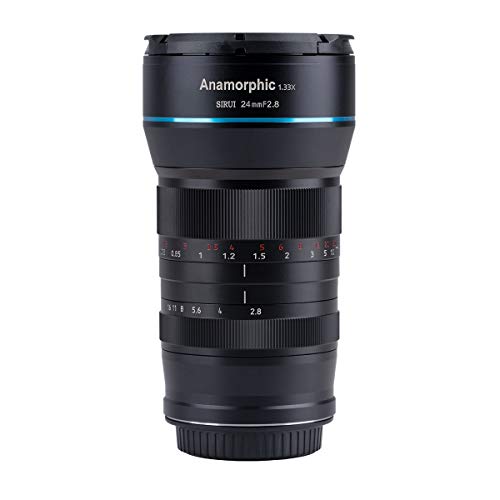
SIRUI 24mm Anamorphic Lens F2.8 1.33X APS-C Camera Lens for E Mount, Blue Flare
Check price on Amazon
⚠️ Note: The purchase links above are affiliate links. As an Amazon Associate, we earn from qualifying purchases at no additional cost to you.

SIRUI 20mm T1.8 1.33X Anamorphic Lens, S35 Autofocus Lens for E Mount Cameras, A6500, A6700, FX3/30, ZV-E Series, A7 Series, A9/9II (Neutral Flare)
Check price on Amazon
⚠️ Note: The purchase links above are affiliate links. As an Amazon Associate, we earn from qualifying purchases at no additional cost to you.

SIRUI 50mm F1.8 1.33X APS-C Anamorphic Lens for E Mount, Blue Flare
Check price on Amazon
⚠️ Note: The purchase links above are affiliate links. As an Amazon Associate, we earn from qualifying purchases at no additional cost to you.

DZOFilm Arcana Anamorphic (32mm, 45mm, 75mm) | 3-Lens Kit, T2.1, 1.5x Squeeze, Full Frame, ARRI PL, Hard Case Included
Check price on Amazon
⚠️ Note: The purchase links above are affiliate links. As an Amazon Associate, we earn from qualifying purchases at no additional cost to you.

SIRUI 50mm T2.9 1.6X Full-Frame Anamorphic Lens Cinema Lens (E Mount)
Check price on Amazon
⚠️ Note: The purchase links above are affiliate links. As an Amazon Associate, we earn from qualifying purchases at no additional cost to you.
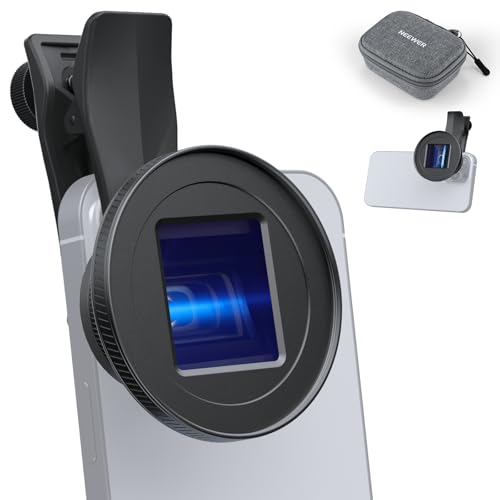
NEEWER LS-75 1.55X Blue Flare Anamorphic Phone Camera Lens 17mm Thread Clip | 4 Elements 4 Groups, 2.4:1 Wide Screen Cinematic Mobile Photography Effect Compatible with iPhone Android Samsung
Check price on Amazon
⚠️ Note: The purchase links above are affiliate links. As an Amazon Associate, we earn from qualifying purchases at no additional cost to you.

SIRUI 1.25x T2.9 Anamorphic Adapter for Venus Series Lenses with Front Single Focus
Check price on Amazon
⚠️ Note: The purchase links above are affiliate links. As an Amazon Associate, we earn from qualifying purchases at no additional cost to you.
Further Reading & Related Guides
Mastering the Cinematic Look
Explore how to combine anamorphic lenses with proper lighting and composition to achieve a true cinematic aesthetic. Our movie camera guide offers more insights.
Read More →
Choosing the Right Camera for Filmmaking
Not sure which camera body to pair with your anamorphic lens? Compare DSLR cameras and mirrorless cameras to find your perfect match.
Read More →
Building a Professional Kit
Beyond the lens, a professional setup includes camera filters, a sturdy tripod, and reliable storage. Learn how to build a complete kit.
Read More →
Final Thoughts
Anamorphic lenses offer a unique blend of artistic expression and technical advantage. While they require a bit more planning and budget, the results are undeniably stunning. Whether you are a seasoned cinematographer or a passionate enthusiast, adding an anamorphic lens to your kit can open up a new world of creative possibilities. For those looking to start with a more affordable setup, a cheap digital camera with an adapter can be a great way to experiment. Remember, the best lens is the one that helps you tell your story effectively.
