
Movie Camera Buying Guide: Professional Cinema Cameras
Everything you need to know before investing in a professional movie camera. From sensor size to lens mounts, frame rates to codecs — make an informed decision for your filmmaking journey.
SEE RECOMMENDED CAMERASWhy a Dedicated Movie Camera Matters: Whether you're shooting a short film, documentary, or commercial project, the right movie camera delivers the cinematic image quality, dynamic range, and creative control that a DSLR camera or mirrorless camera simply cannot match. This guide will help you understand exactly what to look for.
What Makes a Movie Camera Different?
A professional movie camera, also known as a cinema camera, is purpose-built for motion picture production. Unlike a point-and-shoot camera or even a high-end professional camera designed for stills, cinema cameras prioritize video-centric features such as high bitrate recording, log color profiles, timecode synchronization, and modular rigging options. They are designed to integrate seamlessly into a professional filmmaking workflow.
🎬 Super 35 & Full Frame Sensors
Cinema cameras typically feature Super 35mm or full-frame sensors that deliver shallow depth of field, excellent low-light performance, and the coveted "film look" that audiences expect from professional productions.
🎞️ RAW & Log Recording
Shoot in RAW or log formats to capture maximum dynamic range, giving you incredible flexibility in post-production for color grading and exposure adjustments without degrading image quality.
🔧 Modular & Rig-Ready
Professional cinema cameras feature modular designs with interchangeable lens mounts, top handles, side plates, and mounting points for follow-focus systems, matte boxes, and external monitors.
⏱️ High Frame Rates
Capture smooth slow-motion footage at 120fps or higher in 4K resolution. High frame rate capability is essential for action sequences, sports, and creative storytelling techniques.
🔌 Professional Connectivity
Timecode in/out, SDI outputs, XLR audio inputs, and genlock synchronization make cinema cameras ready for multi-camera productions and professional on-set workflows.
🎥 Cinema Lens Compatibility
Native support for PL, EF, or E-mount cinema lenses. Pair your camera with an anamorphic lens for that classic widescreen cinematic look or a telephoto lens for compressed backgrounds.
Key Features to Evaluate Before Buying
When comparing movie cameras, focus on the features that directly impact your production quality and workflow efficiency. Here is what matters most:
| Feature | Why It Matters | What to Look For |
|---|---|---|
| Sensor Size | Affects depth of field, low-light performance, and field of view | Super 35mm or full-frame for professional productions |
| Dynamic Range | Determines how well the camera handles highlights and shadows | 14+ stops for maximum flexibility in post-production |
| Recording Format | Impacts image quality, file size, and editing workflow | RAW, ProRes, or high-bitrate codecs (10-bit 4:2:2 minimum) |
| Lens Mount | Determines which lenses you can use without adapters | PL mount for cinema lenses, or EF/E-mount with adapters |
| Frame Rates | Enables slow-motion and creative frame rate choices | 4K at 60fps minimum; 120fps+ for slow motion |
| Media & Storage | Affects recording time, data management, and cost | CFexpress, SSD, or proprietary media with adequate capacity |
| Audio Inputs | Professional audio is critical for film production | XLR inputs with phantom power and manual gain control |
| Power System | Determines shooting duration and on-set flexibility | V-mount or Gold mount batteries for extended shoots |
Budget Considerations: What to Expect at Each Price Point
Movie cameras span a wide range of price points, from entry-level cinema cameras to high-end production workhorses. Understanding what each tier offers will help you allocate your budget wisely.
Entry-Level Cinema ($2,500–$6,000)
Cameras in this range offer Super 35mm sensors, 4K recording, log profiles, and interchangeable lens mounts. Ideal for independent filmmakers, students, and content creators stepping up from DSLR or mirrorless systems.
Mid-Range Professional ($6,000–$15,000)
Expect full-frame sensors, higher frame rates, RAW recording options, and better build quality. These cameras are suitable for commercial work, documentaries, and narrative films with modest budgets.
High-End Production ($15,000–$50,000+)
Top-tier cinema cameras with large-format sensors, 8K resolution, internal ND filters, and advanced color science. Used on feature films, high-end commercials, and premium streaming productions.
Pros and Cons of Investing in a Dedicated Movie Camera
✅ Advantages
- Superior image quality with high dynamic range
- Professional audio inputs and timecode support
- Modular design for customizable rigs
- High frame rates for slow-motion capture
- Better low-light performance than consumer cameras
- Industry-standard codecs for post-production
- Longer recording times without overheating
❌ Considerations
- Higher upfront investment compared to DSLR/mirrorless
- Requires additional accessories (monitor, rig, batteries)
- Steeper learning curve for beginners
- Larger file sizes demand robust storage solutions
- Not ideal for casual photography or vlogging
- May require specialized lenses and support gear
Recommended Movie Cameras
⚠️ AFFILIATE DISCLOSURE: This website contains affiliate links. As an affiliate Associate, we earn from qualifying purchases. If you make a purchase through these links, we may receive a small commission at no additional cost to you. Read our full affiliate policy.

Xoieod Video Camera Camcorder Full HD 1080P 36MP 16x Zoom for YouTube | Vlog camera with 270° rotatable screen, stereo microphone, dual battery included.
Check price on Amazon
5K Video Camera Camcorder, UHD 64MP Vlogging Camera for YouTube with 3" 270° Rotatable Touch Screen, Digital Camcorder with IR Night Vision, 16X Zoom/WiFi/Webcam/HD/32GB Card/2 Batteries/Microphone
Check price on Amazon
FlyFrost 8K Video Camera 88MP UHD WiFi Vlogging Cameras for YouTube 18X Digital Zoom IR Night Vision 3.0'' Touch Screen Camcorder with Microphone, Lens Hood, Stabilizer, Remote, Two Batteries
Check price on Amazon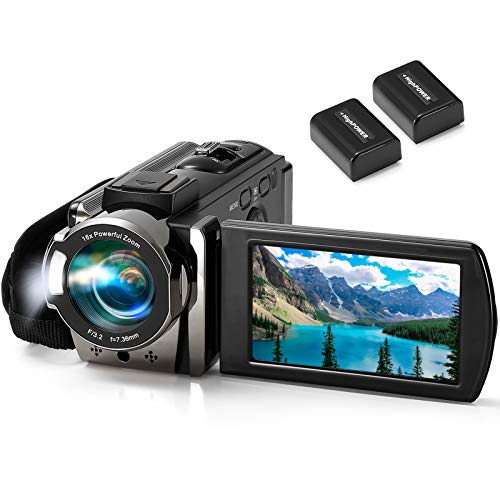
kimire Video Camera Camcorder Digital Camera Recorder Full HD 1080P 15FPS 24MP 3.0 Inch 270 Degree Rotation LCD 16X Digital Zoom Camcorder Camera with 2 Batteries(Black)
Check price on Amazon
VETEK Video Camera 8k Camcorder 48MP UHD WiFi Vlogging Camera for YouTube | 18X Digital Zoom,IR Night Vision 3.0“ LCD Screen Digital Camera with Microphone, 32G SD Card, Remote Control and 2 Batteries
Check price on Amazon
DJI Ronin 4D-8K Full-Frame Cinema Camera with 4-Axis Stabilization, 8K/75fps, LiDAR Focusing, and Wireless Transmission, Highly Integrated Modular Design, PROSSD 1TB, Professional Film Movie Camera
Check price on Amazon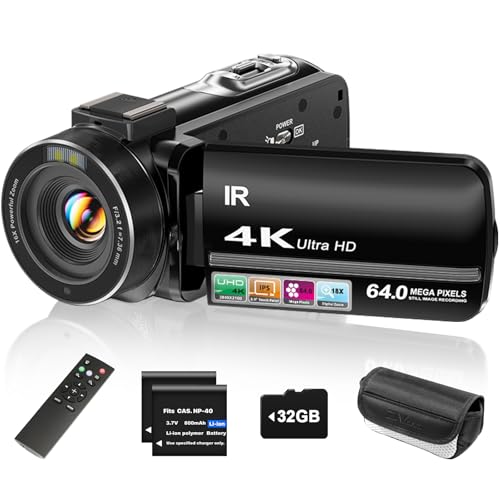
ZYDIIE 4K Video Camera Camcorder UHD 64MP Vlogging Camera for YouTube 18x Digital Zoom 3" 270° Rotation IPS Touchscreen Video Camcorder with Night Vision, Remote Control, 32GB Card, 2 Batteries
Check price on Amazon
Canon XA60 Professional UHD 4K Camcorder Lens Kit (Black) | 20x Optical Zoom, LCD Touchscreen
Check price on AmazonHow to Choose the Right Movie Camera for Your Needs
Selecting the perfect cinema camera depends on your specific production requirements, budget, and experience level. Here is a step-by-step approach:
1. Define Your Production Type
Are you shooting narrative films, documentaries, music videos, or commercial content? Each genre has different requirements. Narrative work benefits from full-frame sensors and RAW recording, while documentaries may prioritize lightweight bodies and reliable autofocus.
2. Consider Your Existing Gear
If you already own lenses for a particular mount system, choosing a camera that supports those lenses can save significant money. Adapters like speed boosters can expand compatibility, but native mounts offer the best performance.
3. Plan Your Post-Production Workflow
RAW files offer maximum flexibility but require powerful editing hardware and storage. If you prefer a faster turnaround, consider cameras that record in ProRes or high-bitrate H.265 — these formats balance quality and file size.
4. Factor in Total System Cost
The camera body is just the beginning. Budget for lenses, batteries, memory cards, a monitor, rigging, and a sturdy tripod or camera jib for dynamic shots. A complete professional setup can easily double the camera body cost.
5. Try Before You Buy
Rent or borrow cameras you're considering. Hands-on experience reveals ergonomic issues, menu complexity, and real-world performance that specifications alone cannot convey. Many rental houses offer daily rates that let you test before committing.
6. Think About Longevity
Choose a camera system from a manufacturer with a proven track record of firmware updates and ecosystem support. A camera that receives regular updates and has a wide range of native lenses and accessories will serve you longer.
Essential Accessories for Movie Camera Owners
A cinema camera body alone won't produce professional results. Here are the accessories you'll need to build a functional filmmaking kit:
| Accessory | Purpose | Recommended Investment |
|---|---|---|
| Cinema Lenses | Deliver consistent color, geared focus rings, and smooth aperture control | $1,500–$10,000+ per lens |
| External Monitor | Larger, brighter display for accurate focus and exposure | $300–$1,500 |
| V-Mount Batteries | Extended shooting time and power for accessories | $200–$500 each |
| Camera Cage & Rig | Mounting points for monitors, handles, and accessories | $200–$800 |
| Follow Focus System | Precise, repeatable focus pulls during shooting | $300–$1,200 |
| Matte Box | Controls light, holds filters, and reduces lens flare | $200–$1,000 |
| High-Speed Media | Reliable storage for high-bitrate recording | $150–$600 per card |
| Support System | Stability for static and moving shots | $500–$5,000+ |
Ready to Start Your Filmmaking Journey?
Explore our recommended movie cameras above and find the perfect tool for your next production. Whether you're shooting your first short film or a full feature, the right camera makes all the difference.
VIEW RECOMMENDED CAMERASFinal Thoughts: Investing in Your Filmmaking Future
A professional movie camera is more than a tool — it's the foundation of your creative vision. While the investment is significant, the image quality, creative control, and professional credibility it provides are unmatched. Start by identifying your production needs, set a realistic budget that includes accessories, and choose a system that can grow with your skills.
Remember that the camera is just one part of the equation. Great storytelling, proper lighting, and solid audio are equally important. If you're just starting out, consider renting high-end cinema cameras for specific projects while building your own kit gradually. You might also explore camcorders for documentary-style work or vlog cameras for content creation as complementary tools.
For those interested in the historical roots of cinema, exploring 35mm film and 35mm film cameras offers valuable perspective on how far technology has come. And if you're looking for a compact option for behind-the-scenes documentation, a small camera or even a mini camera can be handy on set.
Whatever you choose, the most important thing is to start creating. Your first camera won't be your last, and every project teaches you something new. Invest wisely, shoot often, and never stop learning.