
High Resolution Dash Cam: Capture Every Detail on the Road
Your complete guide to understanding 4K and 2K dash cams, sensor technology, night vision, and how to choose the best high resolution dash cam for your vehicle.
VIEW TOP RECOMMENDATIONSWhy Resolution Matters: When you need evidence after an incident, clarity is everything. A high resolution dash cam captures license plates, road signs, and facial details that lower-resolution models simply miss. This guide will help you understand exactly what you need before you buy.
What Is a High Resolution Dash Cam?
A high resolution dash cam is a compact video camera mounted on your windshield that records the road ahead in exceptional detail. While standard dash cams typically record at 1080p (Full HD), high resolution models offer 2K (1440p), 4K (2160p), or even 5K resolution. This increased pixel density means sharper images, better low-light performance, and more reliable evidence when it matters most.
The difference between 1080p and 4K is substantial. A 4K dash cam captures roughly four times the detail of a 1080p model. That extra detail can mean the difference between reading a license plate clearly and seeing only a blur. For drivers who want maximum protection, a high quality dash cam with 4K resolution is the gold standard.
Modern high resolution dash cams also come with advanced features like built-in GPS, Wi-Fi connectivity, parking mode, and night vision. Some models even include a rear camera for complete coverage. If you are comparing options, you may also want to look at a front facing dash cam as a starting point before upgrading to a dual-channel system.
Resolution Options Explained
Understanding the different resolution tiers will help you make an informed decision. Here is a breakdown of what each resolution offers:
| Resolution | Pixel Count | Best For | Typical Price Range |
|---|---|---|---|
| 1080p (Full HD) | 1920 x 1080 | Basic recording, budget setups | $50–$150 |
| 2K (1440p) | 2560 x 1440 | Balanced performance, good clarity | $100–$250 |
| 4K (2160p) | 3840 x 2160 | Maximum detail, license plate capture | $200–$500 |
| 5K (Dual 4K) | 5120 x 2160 | Professional use, dual-channel systems | $350–$700 |
For most drivers, 2K offers an excellent balance between price and performance. However, if you want the absolute best evidence quality, a 4K dash cam is worth the investment. If you are also interested in capturing incidents from behind, consider a high end dash cam with dual-channel recording capabilities.
Key Features to Look For
Beyond resolution, several features determine the overall quality and usefulness of a dash cam. Here are the most important ones:
Sensor Size & Quality
A larger sensor captures more light, resulting in better image quality, especially at night. Look for models with Sony STARVIS or similar high-sensitivity sensors.
Night Vision
Infrared (IR) LEDs and advanced image processing help capture clear footage in low-light conditions. This is essential for nighttime driving.
Field of View
A wide field of view (140°–170°) covers more lanes and reduces blind spots. However, extremely wide angles can distort the image.
GPS & Speed Tracking
Built-in GPS records your speed, location, and route. This data can be invaluable in insurance claims or legal situations.
Parking Mode
When parked, the dash cam continues recording if it detects motion or impact. This protects your vehicle even when you are away.
Wi-Fi & App Control
Wi-Fi connectivity lets you transfer footage to your phone and adjust settings through a dedicated app. Convenient for quick reviews.
Loop Recording
Loop recording overwrites the oldest footage when the storage is full, ensuring continuous recording without manual intervention.
Storage Capacity
High resolution footage requires more storage. Look for models that support microSD cards up to 256GB or 512GB for extended recording.
Pros and Cons of High Resolution Dash Cams
Before investing in a high resolution dash cam, consider the advantages and disadvantages:
Advantages
- Superior image clarity for license plates and details
- Better evidence quality for insurance claims
- Enhanced night vision capabilities
- Future-proof technology
- Higher resale value for your vehicle
Disadvantages
- Higher upfront cost
- Requires larger storage cards
- May generate more heat during operation
- Larger file sizes for transfer and backup
- Not all models offer the same quality at 4K
If you are also considering security cameras for your home or business, you might be interested in learning about what is a CCTV and how modern surveillance systems work. For outdoor monitoring, a WiFi security camera outdoor can complement your vehicle's dash cam setup.
Recommended High Resolution Dash Cams
⚠️ AFFILIATE DISCLOSURE: This website contains affiliate links. As an affiliate Associate, we earn from qualifying purchases. If you make a purchase through these links, we may receive a small commission at no additional cost to you. Read our full affiliate policy.
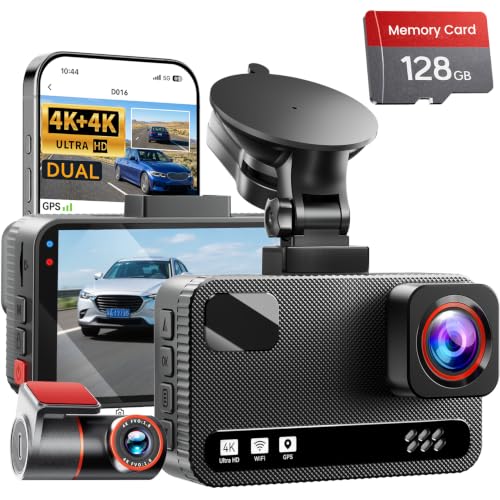
4K+4K Dual Dash Cam Front and Rear, Free 128GB Card, Starlight Night Vision | Dual-Channel Recording, 5.8GHz WiFi, 20MB/s Download Speed, GPS, 3" IPS Screen, Collision Sensor, 24H Parking Mode
Check price on Amazon
galphi 4K Dash Cam Front, 5GHz WiFi, 32GB Card Included, Mini Dashcam | Screen-Free, APP Control, 160° Wide Angle, G-Sensor, Loop Recording, 24H Parking Monitor, Night Vision, Easy Install
Check price on Amazon
360 View 4 Channel Dash Cam Front and Rear Left Right Inside Camera for Cars, GPS and 5G Band WiFi, Night Vision, 160 Wide Angle, WDR, 24H Parking Mode, Supercapacitor, Included 128GB Card
Check price on Amazon
ROVE R2-4K Dual Dash Cam Front and Rear, STARVIS 2 Sensor, Free 128GB Card | 4K Upscaled Front + FHD Rear Recording, 5.8GHz WiFi, 20MB/s Download Speed, App, GPS, 3" IPS, 24Hr Parking Mode, Night Vision
Check price on Amazon
REDTIGER F7NP 4K Dash Cam Front Rear, STARVIS 2 Sensor, Free Card Included | 5.8GHz WiFi-20MB/s Download, WDR Night Vision, Wide Angle, G-sensor Incident Detection, 24H Parking Mode(Hardwire kit needed)
Check price on Amazon
Terunsoul 4K+4K Dash Cam, Free 128GB Card, 5.8GHz WiFi6 - up to 20MB/s | AProX HD Night Vision Dash Cam Front and Rear, App, GPS, G-Sensor, 24H Parking Mode, Support 512GB Max, Premium Dark Gray
Check price on Amazon
70mai A810 Lite 4K Dash Cam Front and Rear, 5GHz Wi-Fi 6 DashCam, Car Camera 4G LTE Remote Access, GPS Tracking, HDR Night Vision, 24H Parking Mode, Voice Control, Emergency Lock, Loop Recording
Check price on Amazon
70mai 4K Dash Cam Front and Rear Inside, 3 Channel Car Dash Camera for Cars, Dashcam with GPS, Wi-Fi 6, Voice Control, Parking Monitor, Night Vision, Loop Recording, 64GB SD Card Included (T800E)
Check price on AmazonHow to Choose the Right High Resolution Dash Cam
Choosing the right dash cam involves more than just picking the highest resolution. Here are the key factors to consider:
1. Determine Your Resolution Needs
If you primarily drive during the day in well-lit conditions, 2K resolution may be sufficient. However, if you frequently drive at night or want the absolute best evidence quality, invest in a 4K model. For professional drivers or those who want complete coverage, a dual-channel 4K system is ideal.
2. Consider Your Budget
High resolution dash cams range from around $100 for basic 2K models to over $500 for premium 4K dual-channel systems. Set a realistic budget and prioritize features that matter most to you. Remember that a front facing dash cam is a good starting point if you are new to dash cams.
3. Check the Sensor and Processor
The image sensor and processor are just as important as resolution. A 4K dash cam with a poor sensor will perform worse than a 2K model with a high-quality Sony STARVIS sensor. Research the specific sensor model before buying.
4. Evaluate Night Vision Performance
Many dash cams claim excellent night vision, but real-world performance varies. Look for models with large apertures (f/1.8 or lower), infrared LEDs, and HDR (High Dynamic Range) processing. Reading reviews from actual users can give you a realistic picture of nighttime performance.
5. Storage and Power Considerations
High resolution footage consumes significant storage. A 4K dash cam can fill a 128GB card in just a few hours. Consider a model that supports at least 256GB and uses high-endurance microSD cards designed for continuous recording. For power, most dash cams plug into your car's 12V outlet, but some support hardwiring for parking mode.
6. Installation and Mounting
Most dash cams use adhesive or suction cup mounts. Adhesive mounts are more permanent and secure, while suction cups are easier to move between vehicles. Consider the size and placement of the camera to ensure it does not obstruct your view. If you need to mount the camera on a pole or other surface, a camera pole might be useful for specific setups.
For those who also want to monitor their home or office, exploring options like a wireless security system or a smart security camera system can provide additional peace of mind.
Installation Tips for Optimal Performance
Proper installation ensures your dash cam captures the best possible footage. Follow these tips:
- Mount behind the rearview mirror: This keeps the camera out of your line of sight and provides a clear view of the road.
- Clean the windshield: Before attaching the mount, clean the area with alcohol wipes to ensure a strong bond.
- Route cables carefully: Tuck wires along the headliner and down the A-pillar to keep them hidden and avoid interference.
- Adjust the angle: Aim the camera slightly downward to capture both the road and the horizon. A 50/50 split between sky and road is a good starting point.
- Test before finalizing: Record a short clip and review it on your computer or phone to ensure the angle and focus are correct.
If you are also interested in capturing footage from other angles, a sports camcorder or an inspection camera can serve different purposes, from action recording to hard-to-reach areas.
Maintaining Your High Resolution Dash Cam
To keep your dash cam performing at its best, regular maintenance is essential. Here are some tips:
- Clean the lens regularly: Dust and fingerprints can degrade image quality. Use a soft microfiber cloth to gently wipe the lens.
- Format your memory card: Regularly format your microSD card using the dash cam's built-in formatting function to prevent corruption.
- Update firmware: Manufacturers release firmware updates that improve performance and fix bugs. Check for updates periodically.
- Check the mount: Ensure the adhesive or suction cup remains secure, especially during extreme temperature changes.
- Review footage: Periodically review your recordings to ensure the camera is functioning correctly and capturing clear footage.
For those who also use other camera equipment, maintaining your gear with a camera sensor cleaning kit is a good practice. If you travel frequently, a camera backpack for travel can keep your equipment safe and organized.
Frequently Asked Questions
What is the best resolution for a dash cam?
For most drivers, 2K (1440p) offers the best balance of clarity and file size. However, if you want the absolute best evidence quality, 4K (2160p) is superior. The ideal choice depends on your budget and how much detail you need.
Do I need a high resolution dash cam?
If you want to capture license plates, road signs, and other important details clearly, a high resolution dash cam is highly recommended. Lower resolution models may struggle to capture these details, especially at night or in motion.
How much storage do I need for a 4K dash cam?
A 4K dash cam can use up to 1GB of storage per minute of footage. For continuous recording, a 128GB or 256GB high-endurance microSD card is recommended. Consider a model that supports at least 256GB for extended recording.
Can I use a high resolution dash cam at night?
Yes, but performance varies by model. Look for dash cams with large apertures (f/1.8 or lower), Sony STARVIS sensors, and HDR processing for the best night vision. Infrared LEDs also help in complete darkness.
Are high resolution dash cams worth the extra cost?
For most drivers, yes. The extra clarity can be invaluable in insurance claims or legal situations. If you drive frequently or want maximum protection, the investment is justified. For occasional drivers, a 2K model may be sufficient.
What is the difference between 2K and 4K dash cams?
4K dash cams capture roughly four times the detail of 1080p and about twice the detail of 2K. This means sharper images, better license plate readability, and improved low-light performance. However, 4K also requires more storage and processing power.
Final Thoughts
Investing in a high resolution dash cam is one of the smartest decisions you can make for your vehicle's safety and your peace of mind. Whether you choose a 2K or 4K model, the key is to select a camera with a quality sensor, reliable night vision, and features that match your driving habits.
Remember to consider factors beyond resolution, such as sensor size, field of view, GPS, and parking mode. A well-rounded dash cam will serve you better than one that simply boasts the highest resolution number. If you are also looking to enhance your home security, exploring options like a wireless security cameras without subscription or a solar security camera can provide additional protection.
Ready to make your purchase? Check out our recommended high resolution dash cams above. These models have been selected for their exceptional image quality, reliability, and value. Drive safely, and let your dash cam be your silent witness on every journey.
Related Camera Guides
If you found this guide helpful, you may also be interested in these related topics:
- High Quality Dash Cam — Explore premium dash cam options with advanced features.
- High End Dash Cam — Discover luxury dash cams with cutting-edge technology.
- Front Facing Dash Cam — Learn about single-channel dash cams for forward recording.
- What is a CCTV — Understand the basics of closed-circuit television systems.
- WiFi Security Camera Outdoor — Protect your home with outdoor surveillance.
- Camera Sensor Cleaning Kit — Keep your camera equipment in top condition.
- Camera Backpack for Travel — Safe and convenient storage for your gear.