Why Lens Quality Matters More Than Megapixels
Discover how lens resolving power, diffraction, and optical design impact the final detail captured by high-megapixel sensors.
Read More →
Explore the world of extreme resolution. From 100MP+ medium format beasts to high-resolution full-frame giants, discover which camera delivers the detail you need.
COMPARE TOP MODELSWhy Megapixels Matter: Higher megapixel counts allow for larger prints, aggressive cropping, and finer detail capture. However, they also demand better lenses, faster storage, and more powerful processing. This guide helps you find the sweet spot between resolution and practicality.
When photographers search for the highest megapixel camera, they are usually chasing one thing: ultimate detail. But megapixels alone don't guarantee image quality. The sensor size, pixel pitch, lens resolving power, and image processing pipeline all play critical roles. A 50MP full-frame sensor with a mediocre lens will often produce less detailed images than a 45MP sensor paired with a top-tier prime lens.
In today's market, the highest megapixel cameras fall into two main categories: full-frame models that push the boundaries of what's possible in a compact body, and medium format systems that deliver jaw-dropping resolution for studio and landscape work. For those just starting out, it's important to remember that a beginner photography camera with 24MP is more than enough for learning and even professional work. But if you're ready to explore the extremes, this guide is for you.
If you're also interested in how sensor size affects depth of field and low-light performance, our guide on full-frame cameras provides essential context before you invest in a high-resolution system.
⚠️ AFFILIATE DISCLOSURE: This website contains affiliate links. As an affiliate Associate, we earn from qualifying purchases. If you make a purchase through these links, we may receive a small commission at no additional cost to you. Read our full affiliate policy.


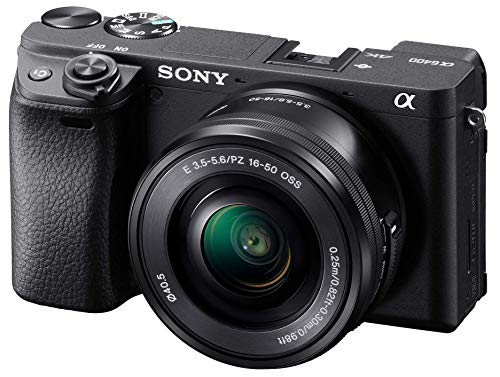
When discussing the highest megapixel cameras, the conversation inevitably turns to sensor format. Full-frame sensors (36x24mm) have seen a resolution revolution, with models now exceeding 60MP. Medium format sensors (typically 44x33mm or larger) go even further, with some reaching 100MP, 150MP, and beyond.
| Feature | Full-Frame | Medium Format |
|---|---|---|
| Max Resolution | Up to 61MP | 100MP to 150MP+ |
| Lens Selection | Extensive, affordable options | Limited, expensive, but exceptional |
| Body Size & Weight | Compact and portable | Larger, heavier |
| Price Range | $2,500 – $4,000 | $5,000 – $50,000+ |
| Best For | Weddings, sports, travel, all-around | Studio, landscape, commercial, fine art |
For most photographers, a high-resolution full-frame camera offers the best balance of resolution, portability, and versatility. If you're looking for a professional-grade option, exploring professional DSLR cameras or high-end mirrorless bodies will give you a sense of what's possible. However, if your work demands the absolute highest megapixel count for large-format printing or extreme cropping, medium format is the only path.
It's also worth noting that many photographers pair high-resolution bodies with specialized lenses like a 50mm prime lens or a wide-angle lens to maximize sharpness across the frame. A camera is only as good as the glass in front of it.
Discover how lens resolving power, diffraction, and optical design impact the final detail captured by high-megapixel sensors.
Read More →Understand how sensor size influences pixel density, noise, and dynamic range in high-resolution cameras.
Read More →Not sure where to start? Learn how to balance megapixels, budget, and ergonomics for your photography style.
Read More →Owning a high-megapixel camera comes with unique challenges. The massive files require faster memory cards, larger hard drives, and more powerful computers for editing. Additionally, camera shake becomes more noticeable at higher resolutions, making stabilization—either in-body (camera IBIS) or in-lens—increasingly important.
For those who shoot in challenging lighting conditions, consider how a photography light meter can help you nail exposure and minimize noise, preserving the detail that high-resolution sensors are designed to capture.
A high-megapixel camera is not for everyone. It's a specialized tool best suited for:
If you fall into one of these categories, the investment in a high-resolution system is well justified. For others, a standard 24-45MP camera—like those found in our top cameras for beginners guide—will likely exceed your needs.
The highest megapixel camera is a testament to how far imaging technology has come. Whether you choose a 61MP full-frame powerhouse or a 150MP medium format monolith, the key is to match the tool to your creative and commercial goals. Remember that megapixels are just one piece of the puzzle—lens quality, technique, and post-processing all contribute to the final image.
Explore our recommended models above to find the best high-resolution camera for your needs, and don't forget to pair it with the right accessories and lenses to unlock its full potential.
The information provided on AllCameraGuide is for educational and informational purposes only. We are not professional camera technicians or photographers, and our content should not replace professional advice. Always consult with a qualified expert regarding camera compatibility, safety, or technical concerns. Some content may use AI assistance. Always check product warranties and safety standards before purchasing. If you do not agree, please do not use this website. Read the full disclaimer.